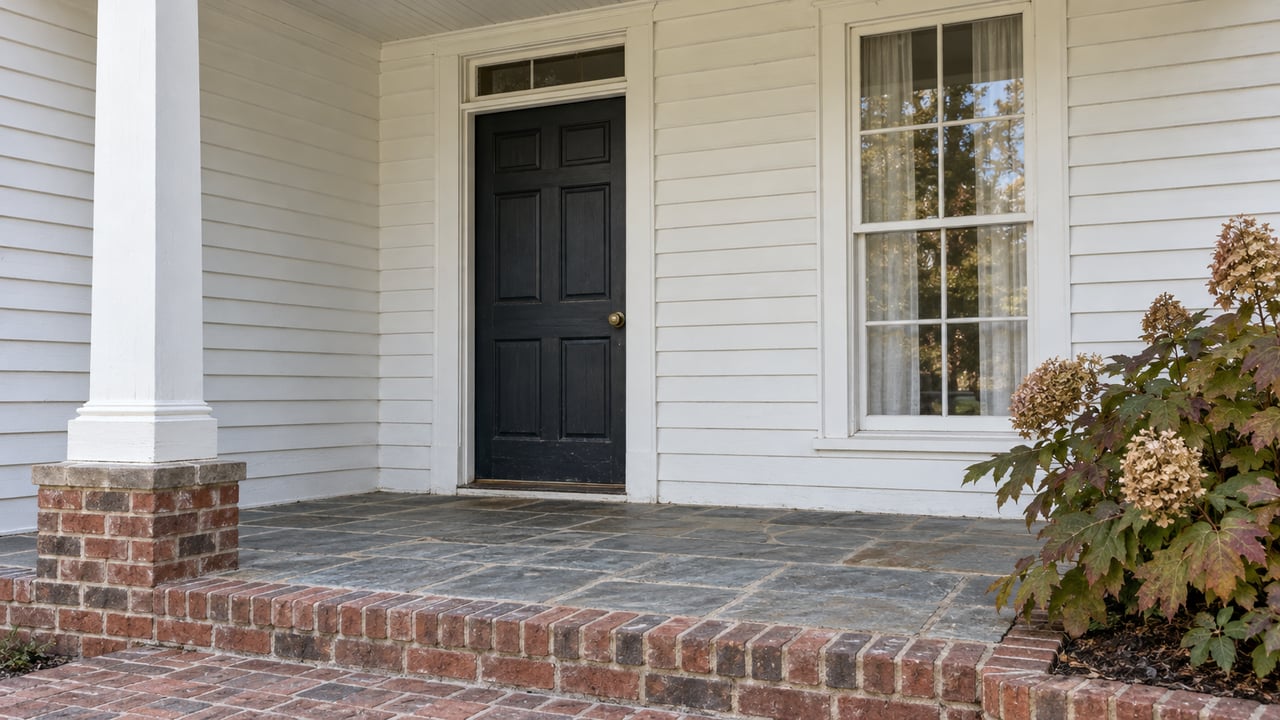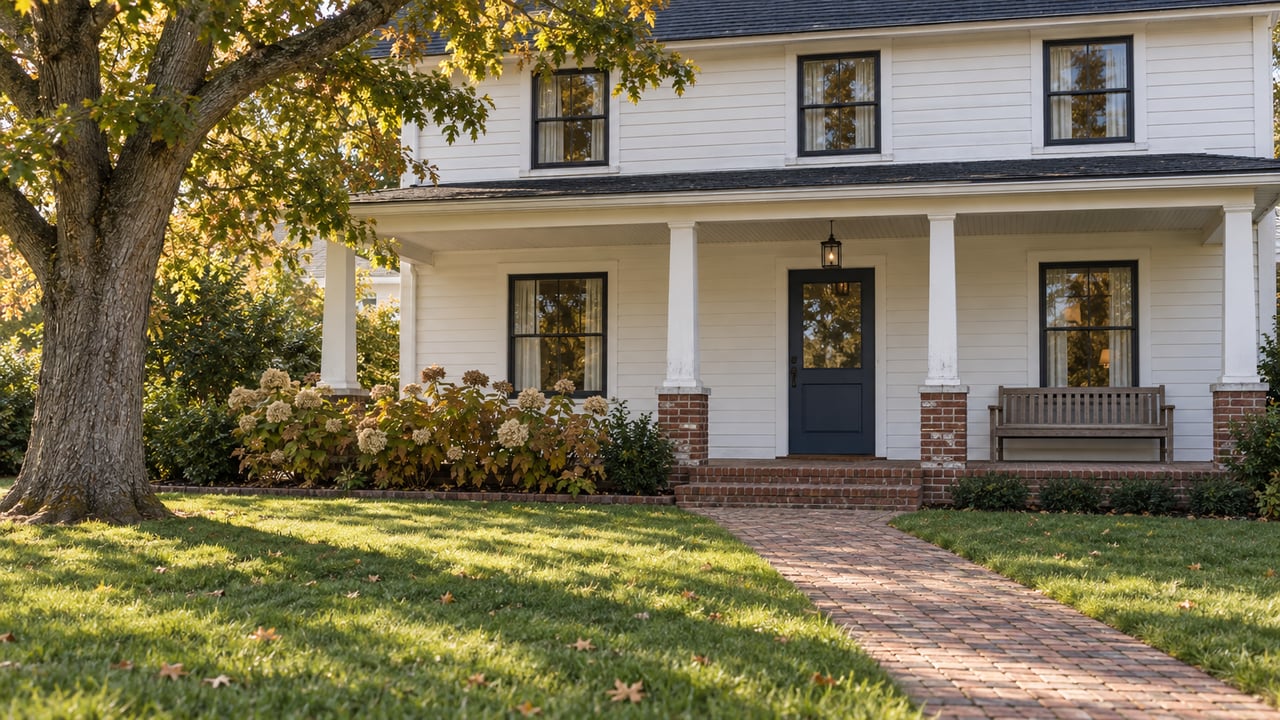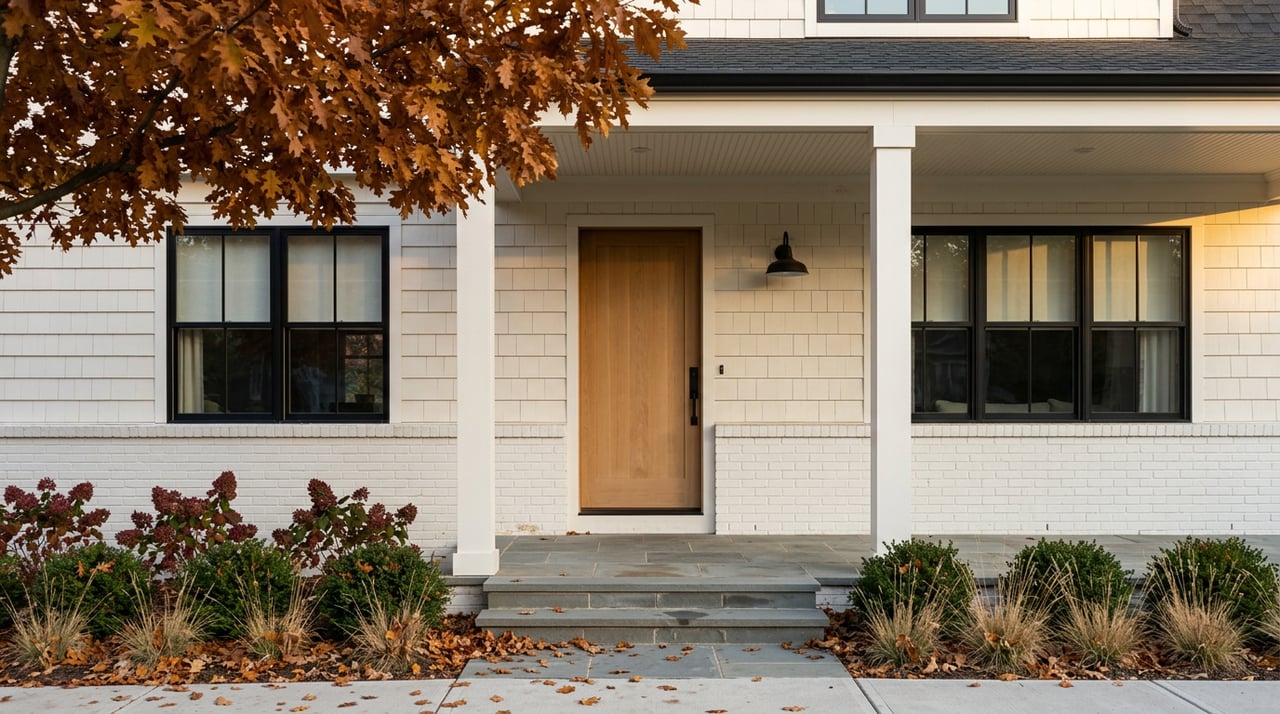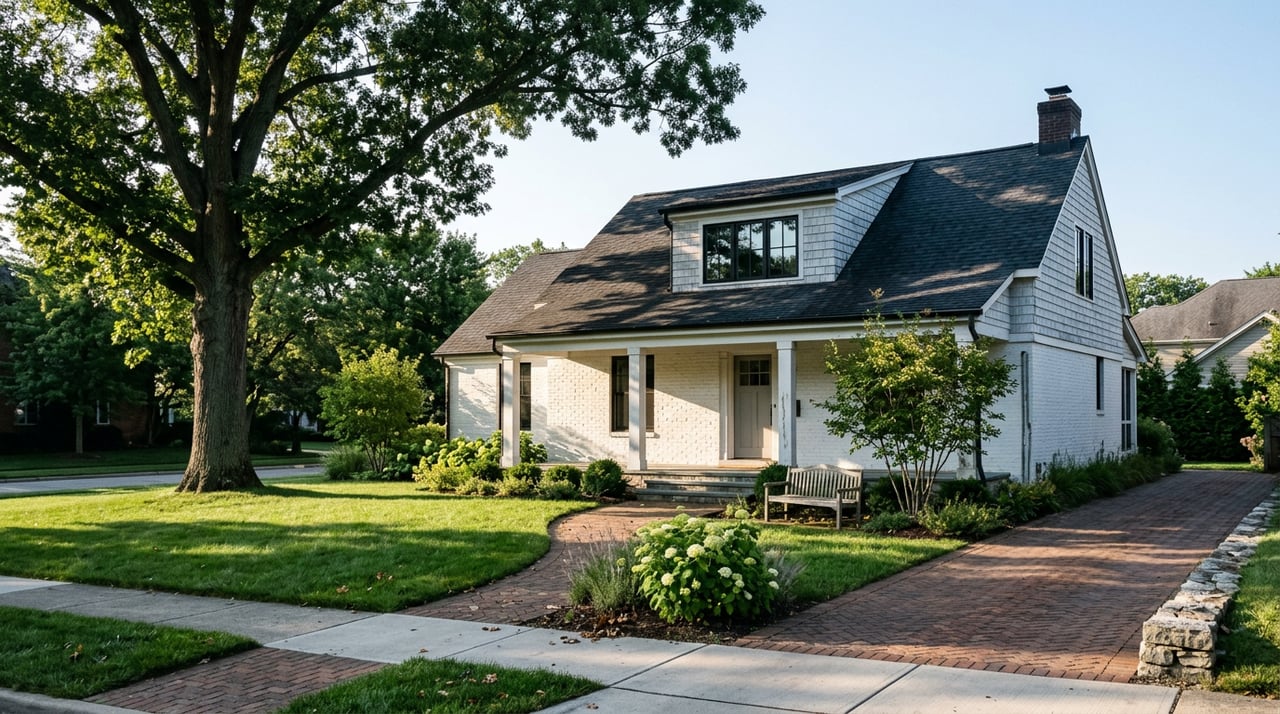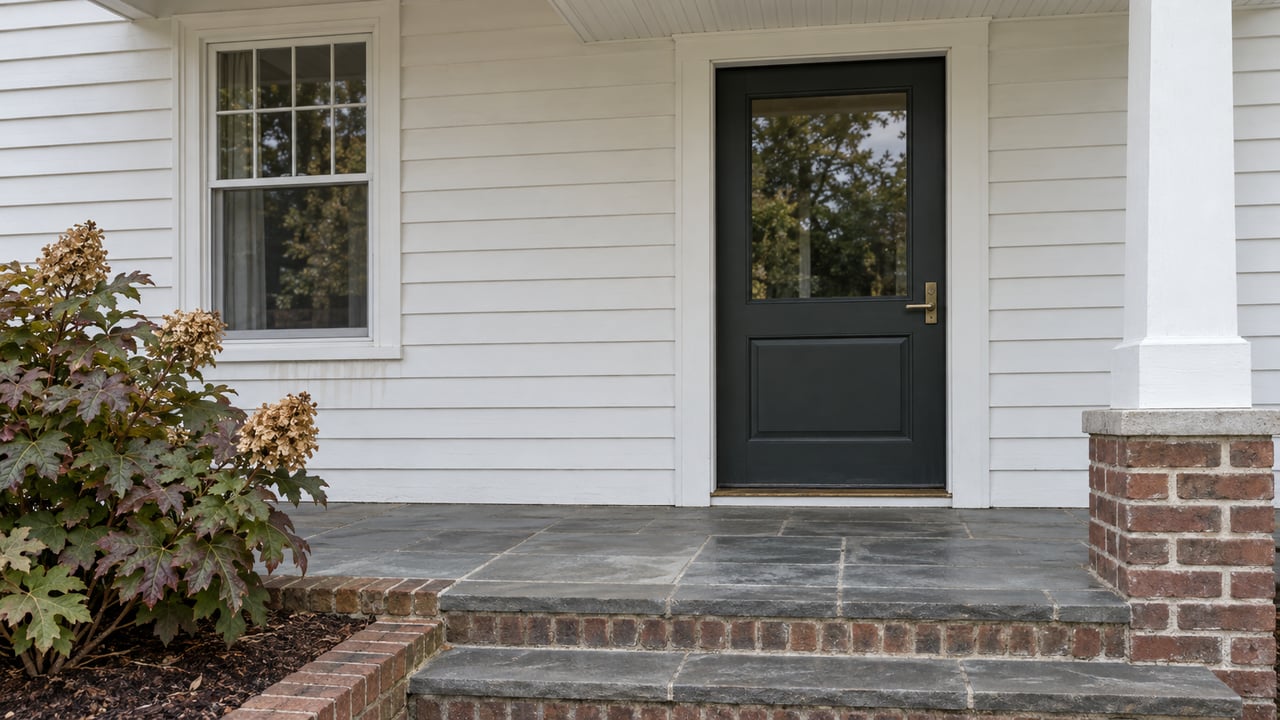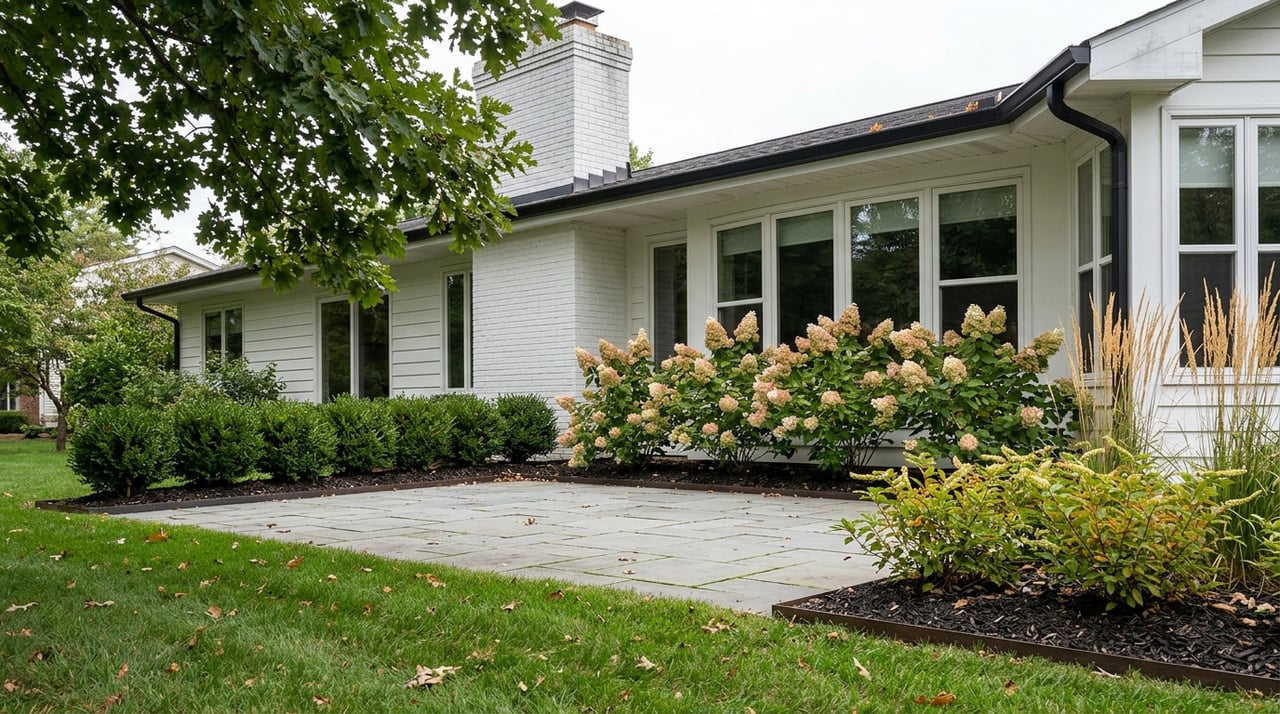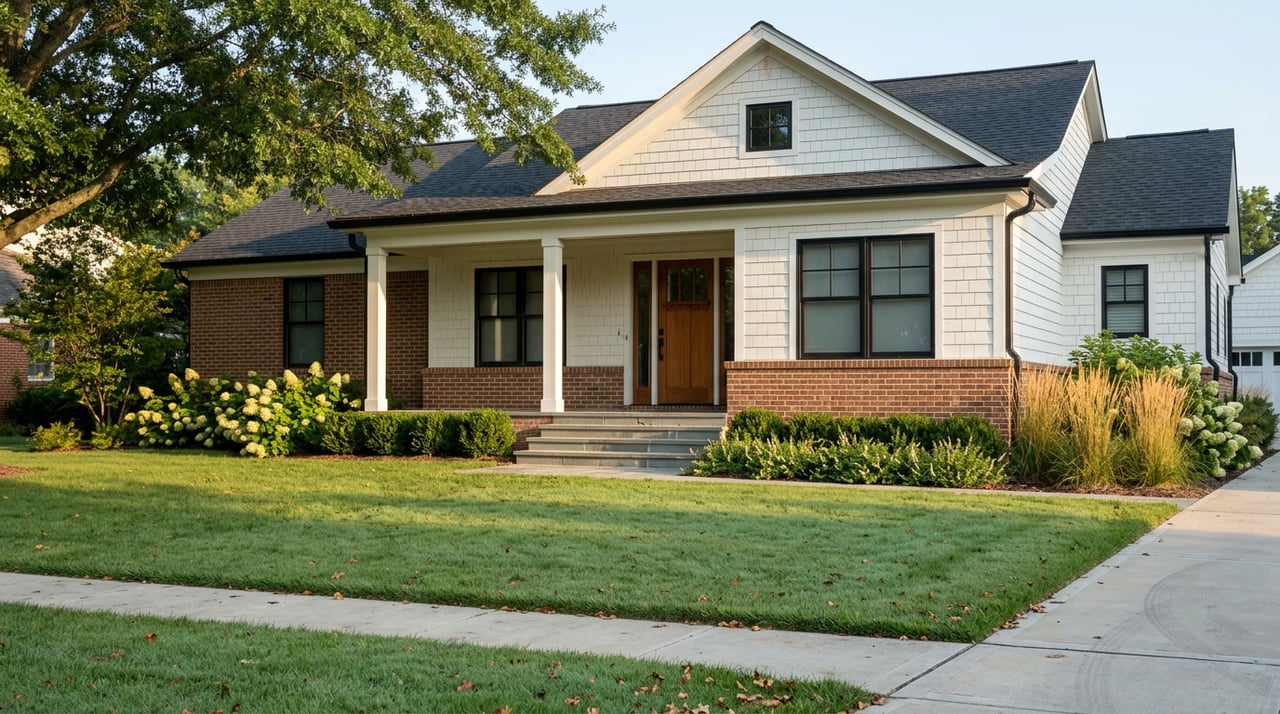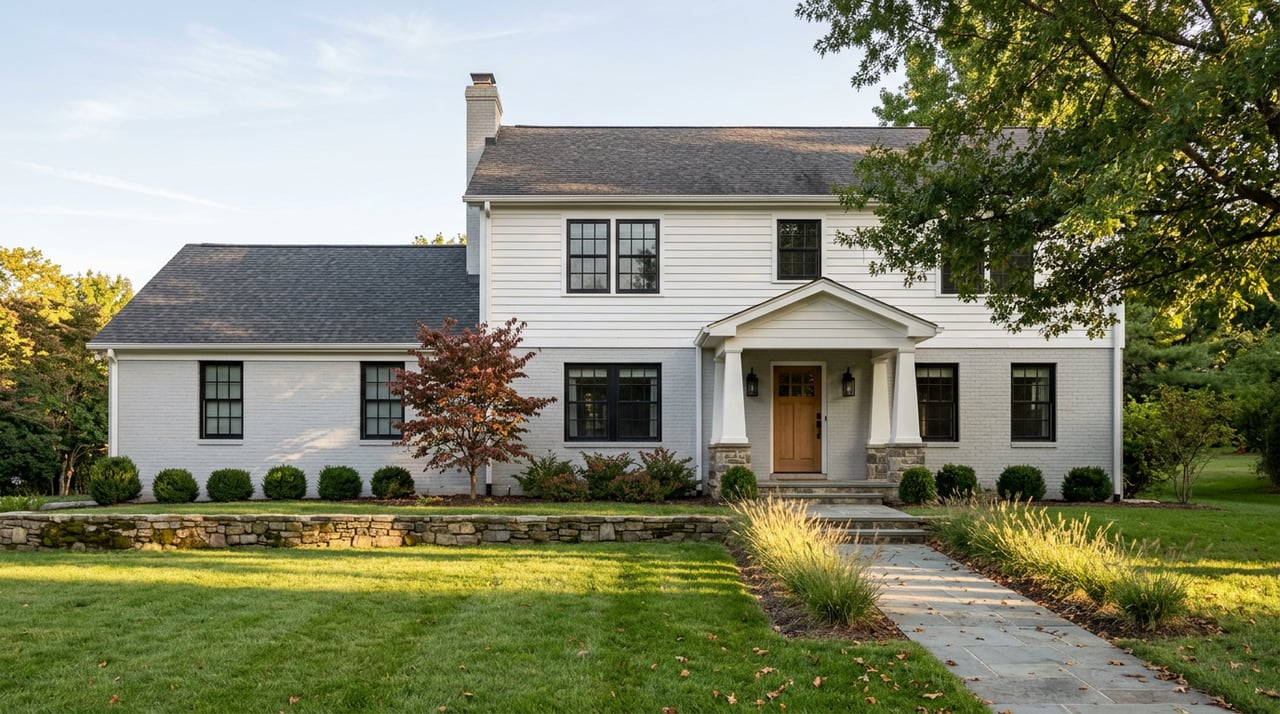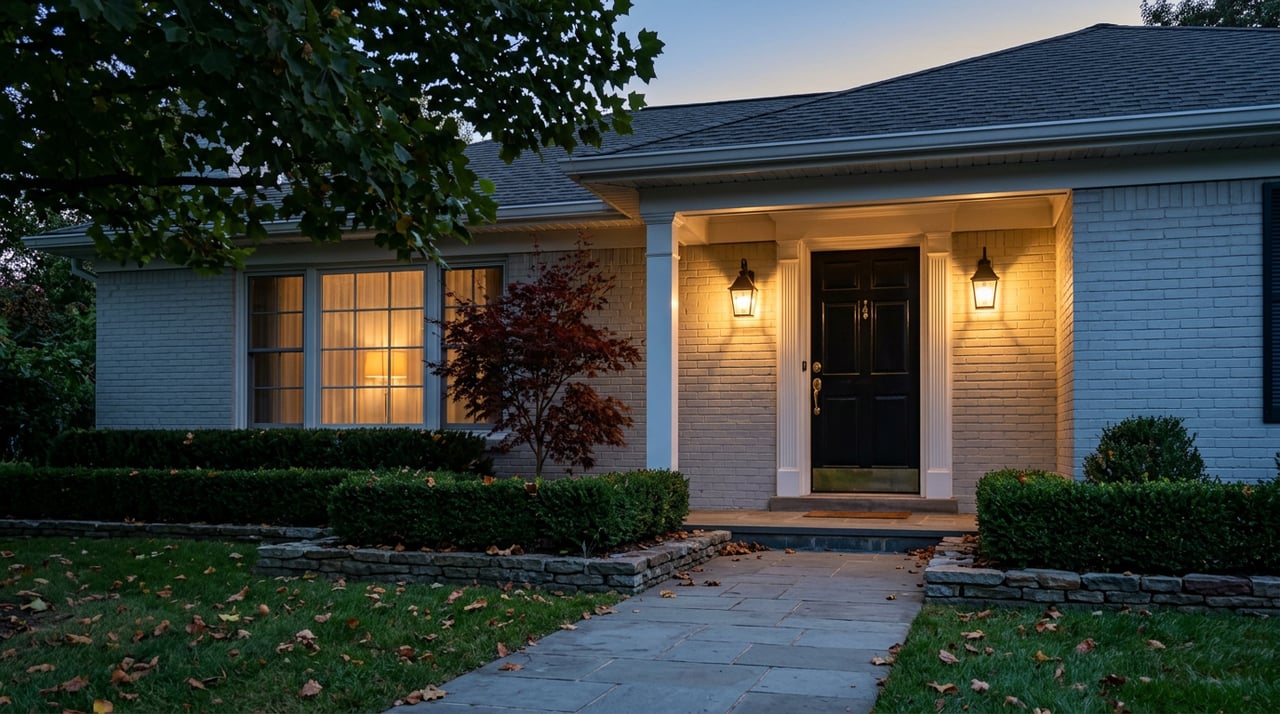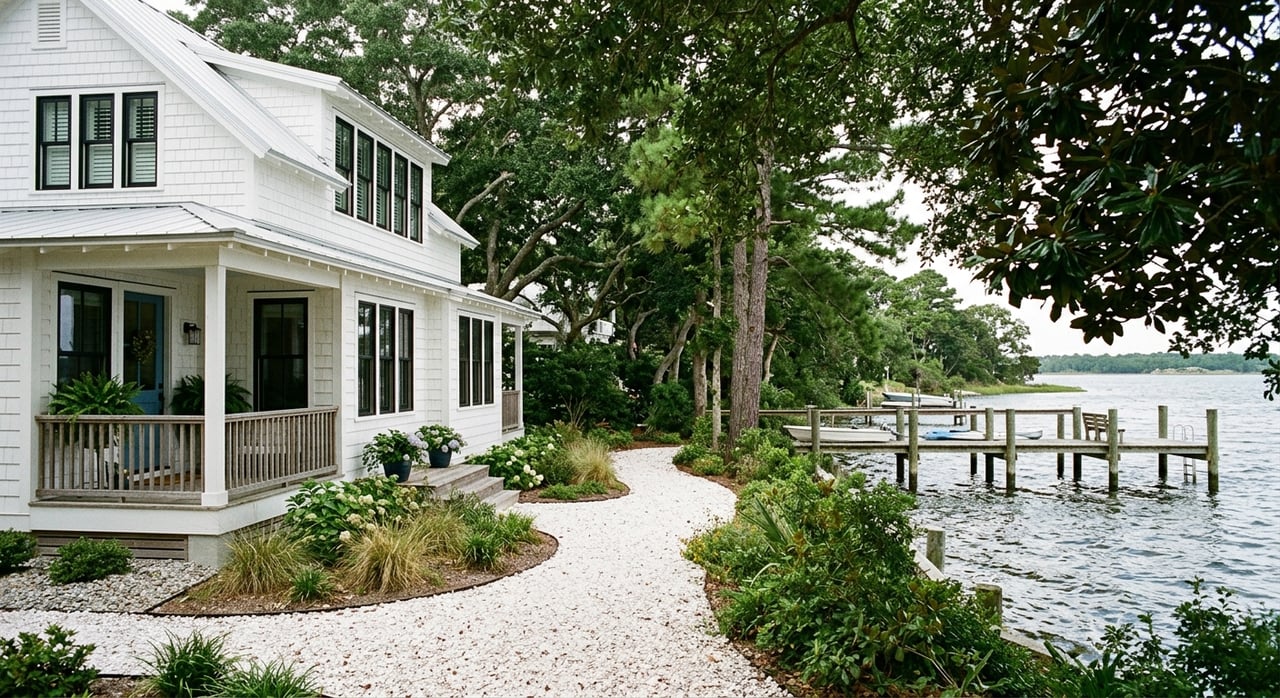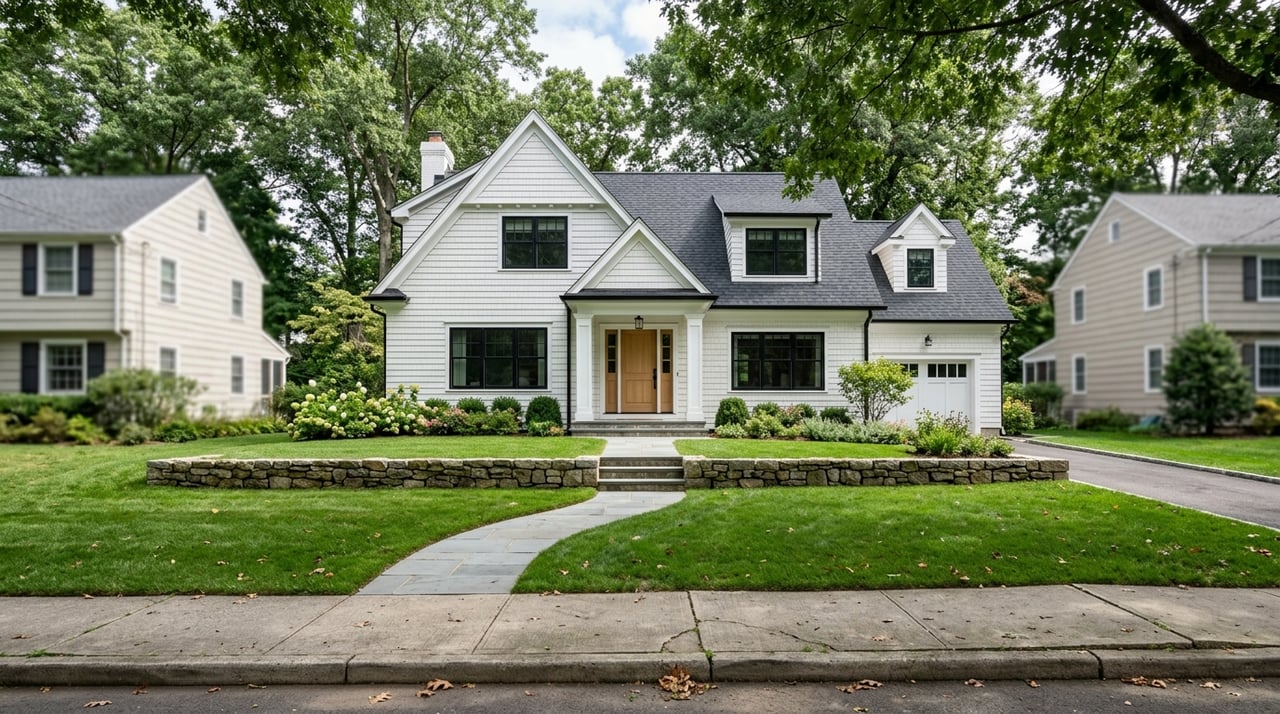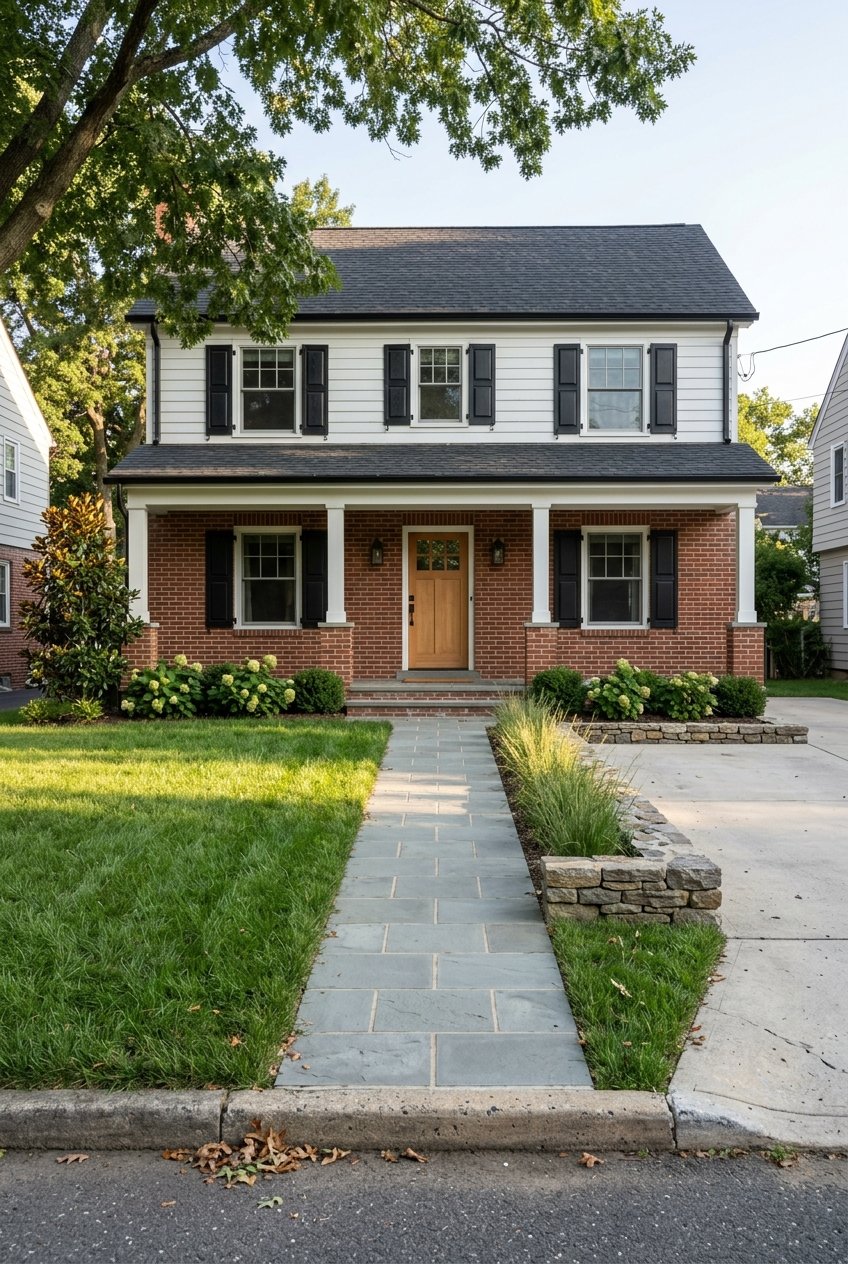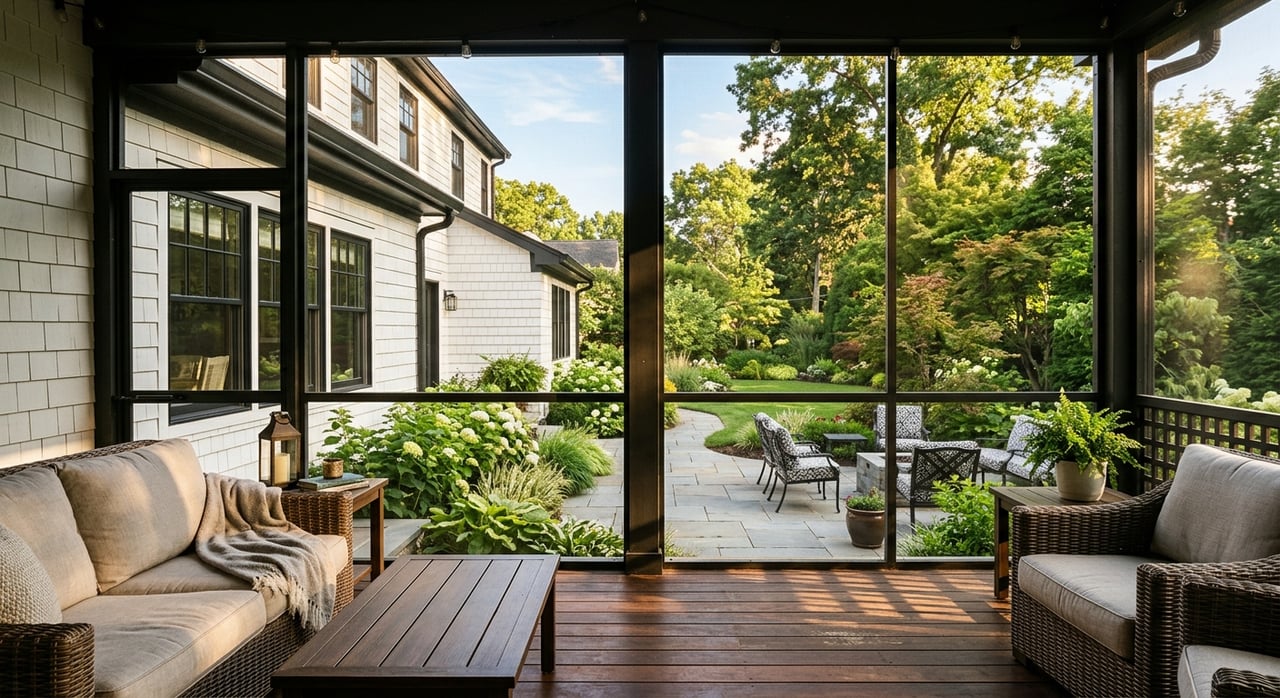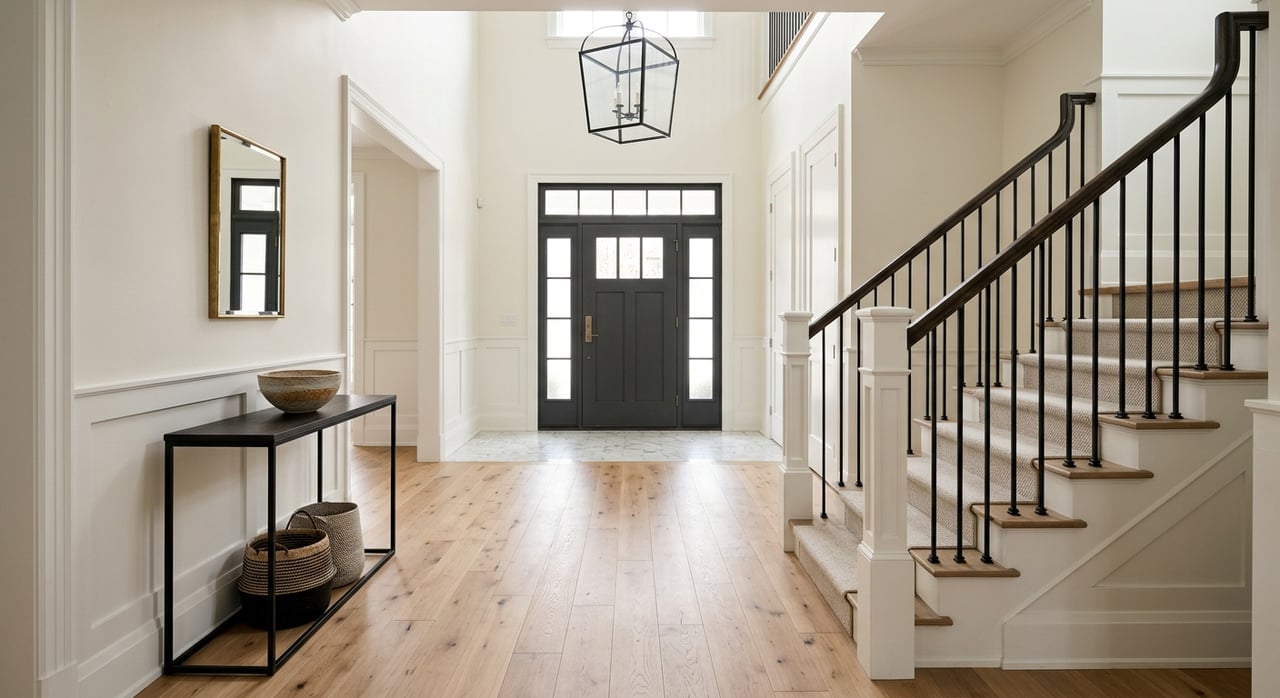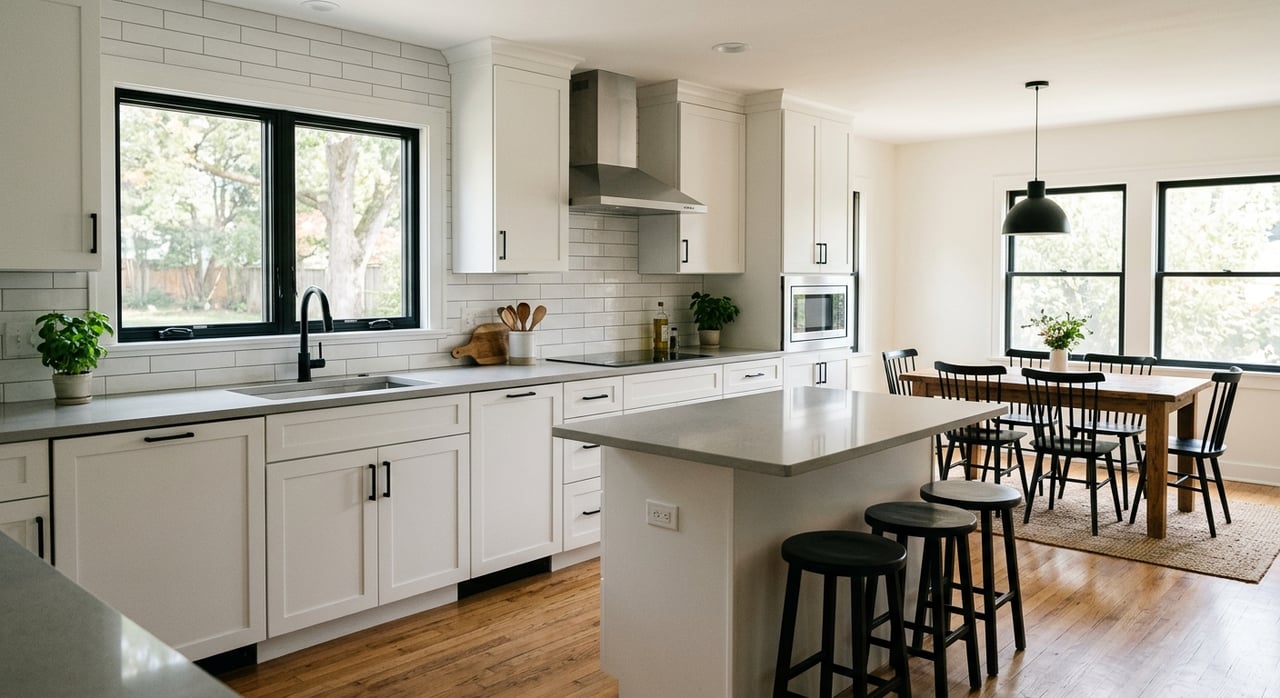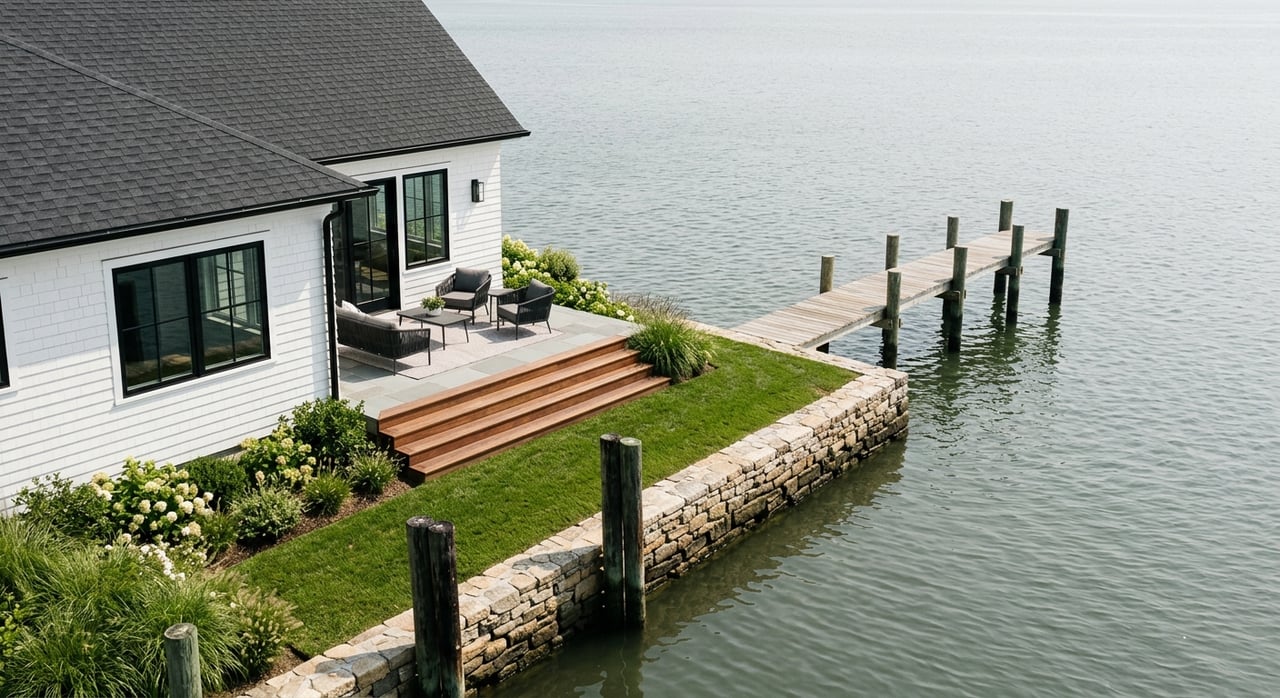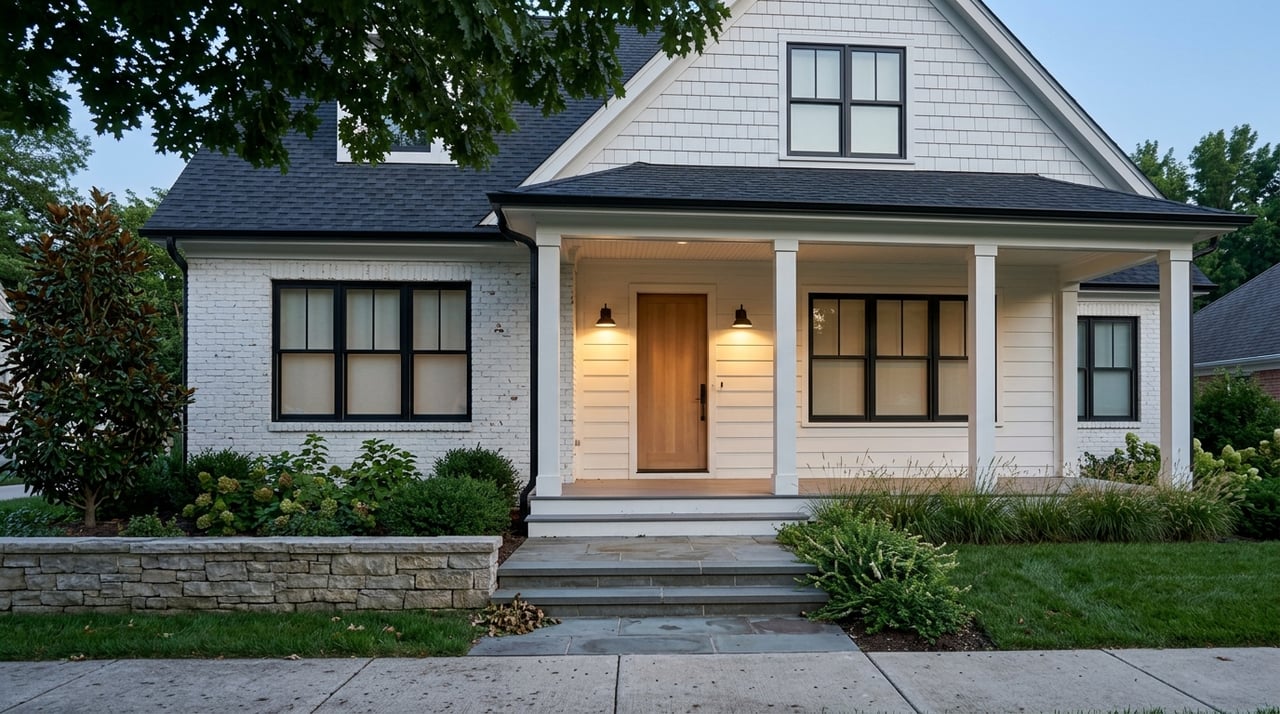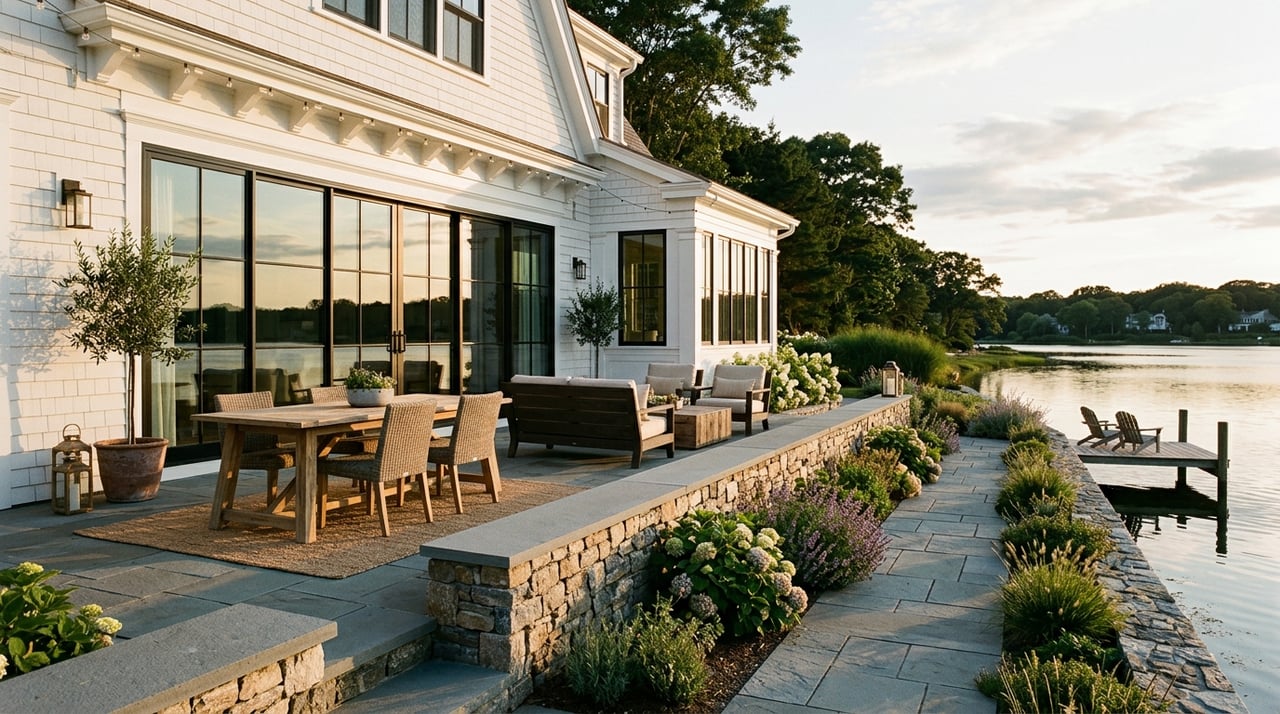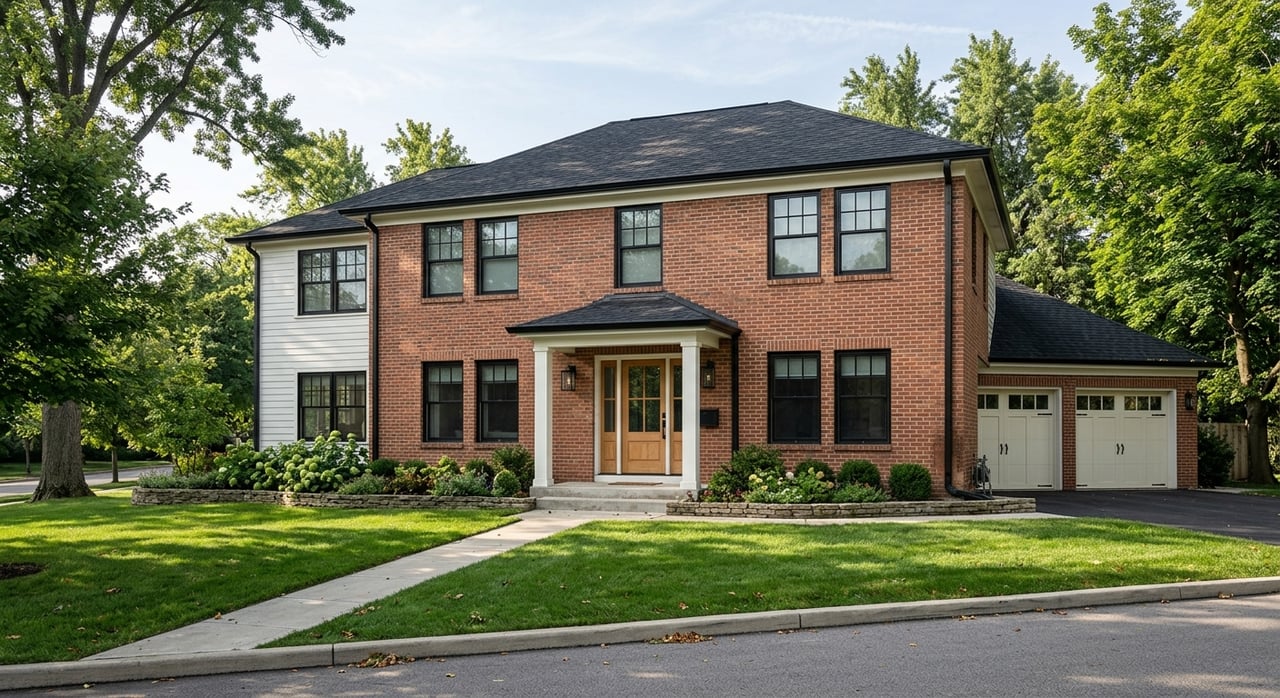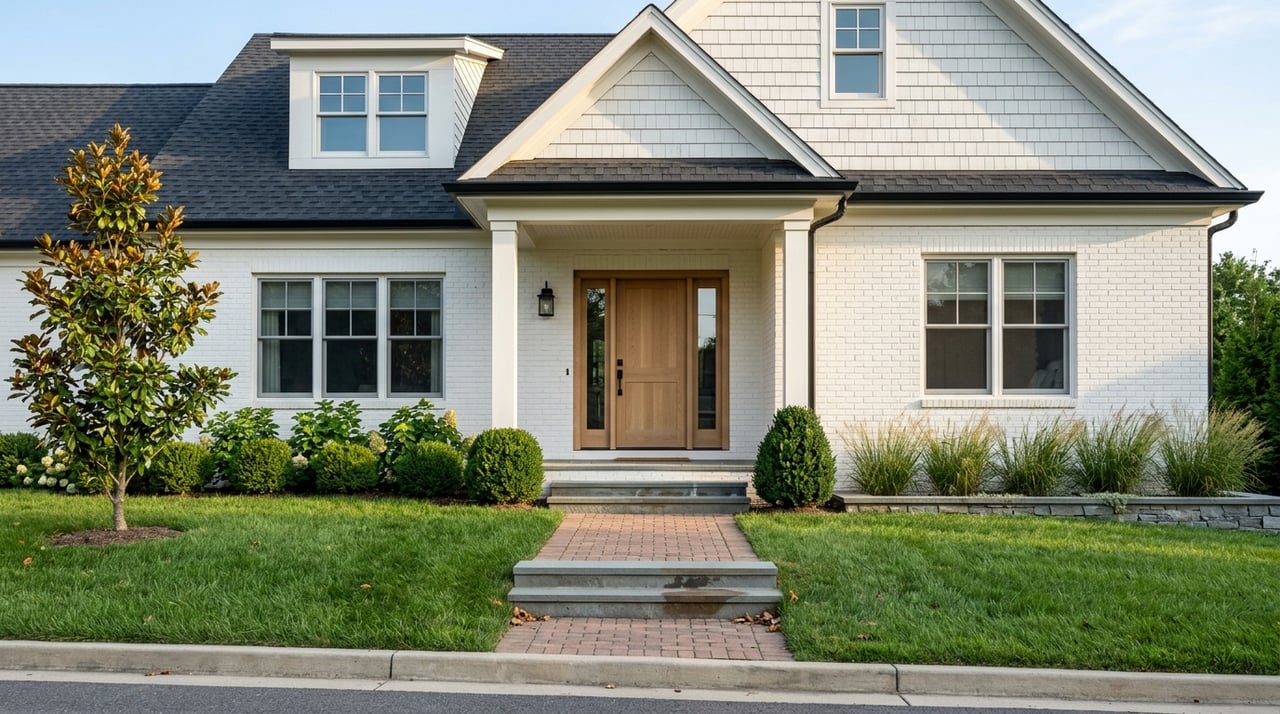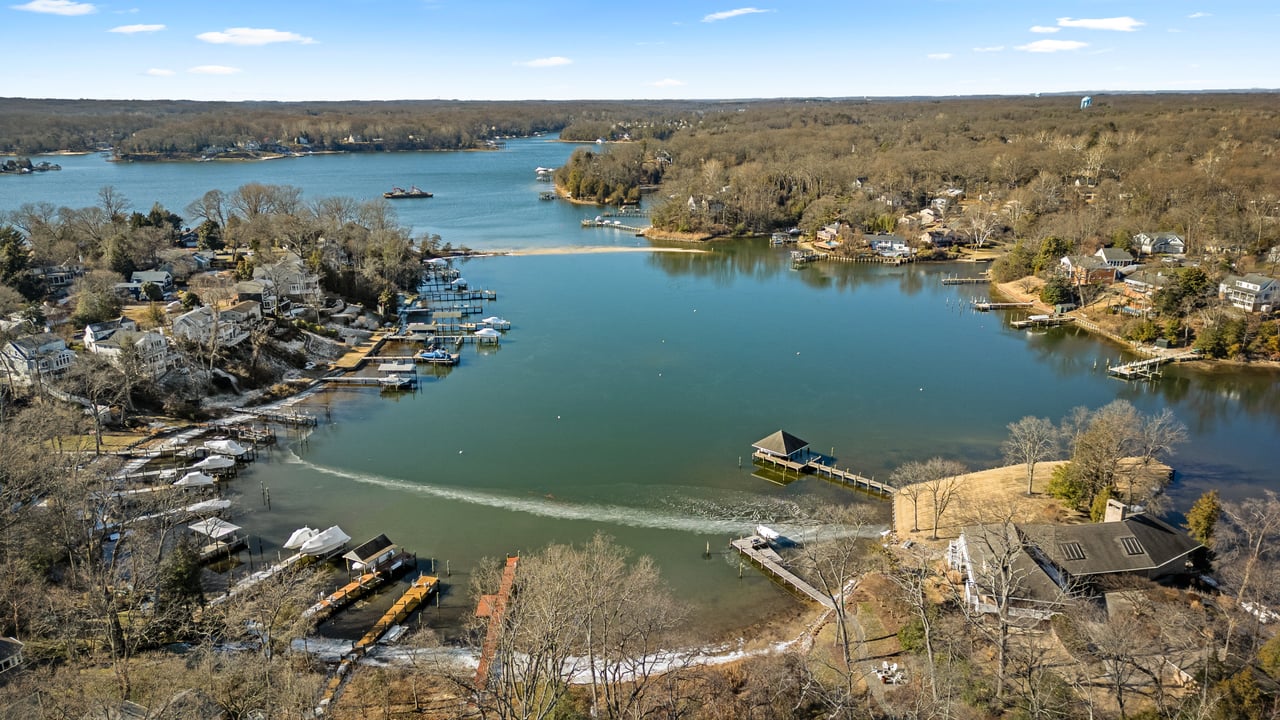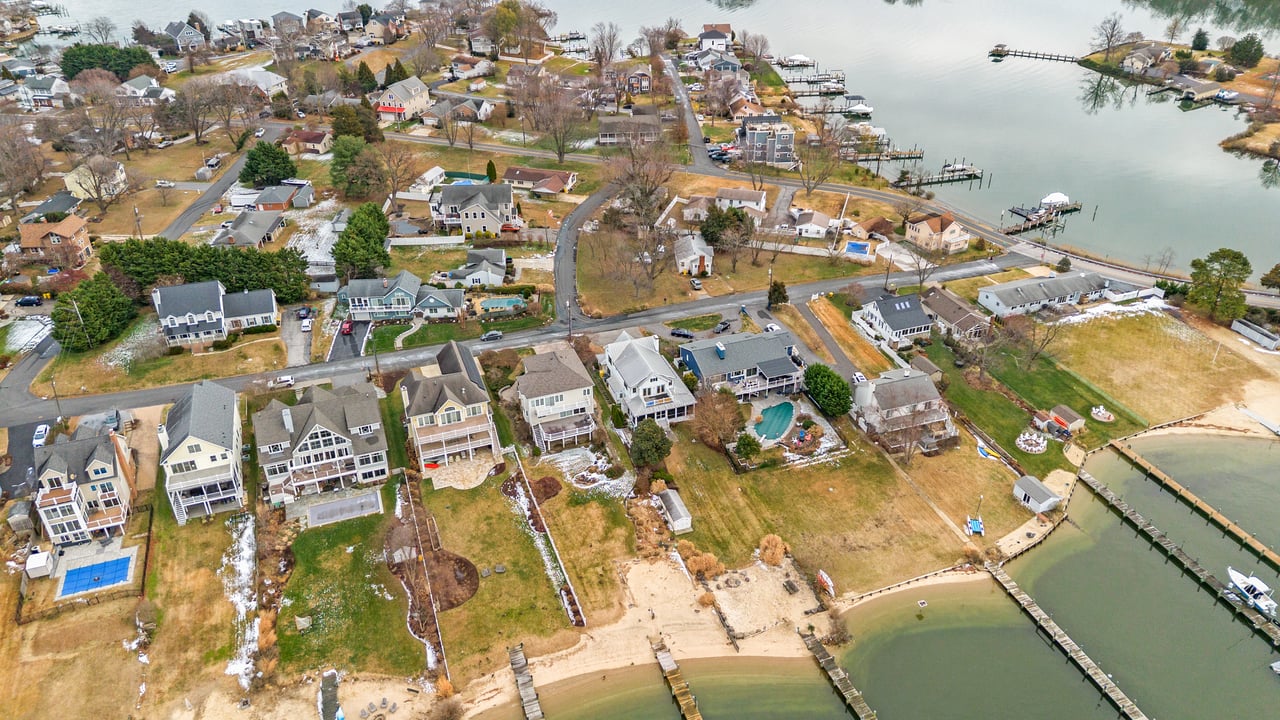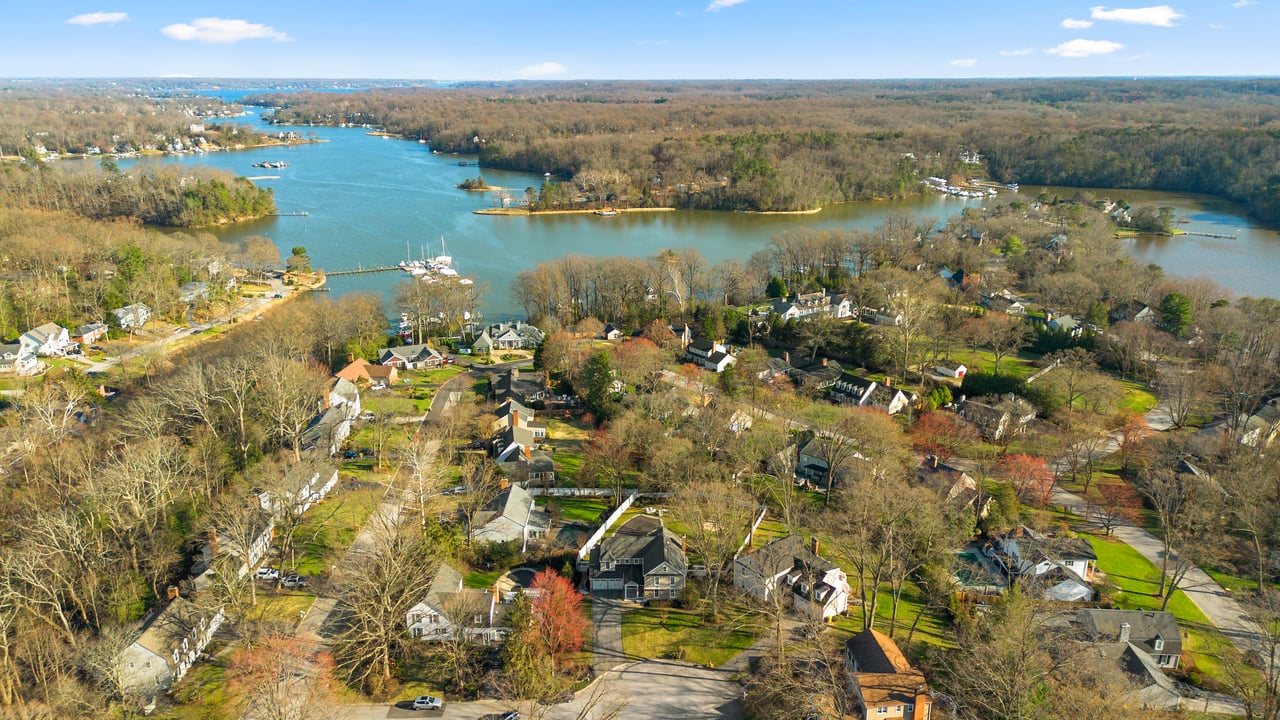
Same town. Same tax bill format. Completely different closing timeline.
That gap is not a quirk of one lender or one buyer's bad luck. It is baked into how Crownsville is built and how mortgage programs treat properties that sit outside public water and sewer service, which describes most of the town. Once you see it, the confusing spread in Crownsville's median home price stops looking like noise and starts looking like two markets wearing one name.
The median that keeps changing its mind
Anyone comparing housing data sources for Crownsville this year has probably noticed the numbers don't agree with each other, and not by a rounding error.
| Metric | Value | Period |
|---|---|---|
| Median sale price | $1,494,011, up 41.6% year over year | August 2026 |
| Median sold price | $700,000 | July 2026 |
| Median list price | $749,000 | September 2026 |
| Median sale price, trailing 12 months | $647,500, up 7% year over year | through May 2026 |
Those aren't typos or competing methodologies fighting over decimal points. Crownsville sold 35 homes in July 2026, a small enough sample that a couple of high-end closings can pull the reported median hundreds of thousands of dollars in either direction from one month to the next. Active listings this year have ranged from roughly $290,000 to $2.4 million, which means the "typical" Crownsville home is really an average of a starter cottage on a wooded lot and a custom estate on the water, with very little in between to smooth the curve.
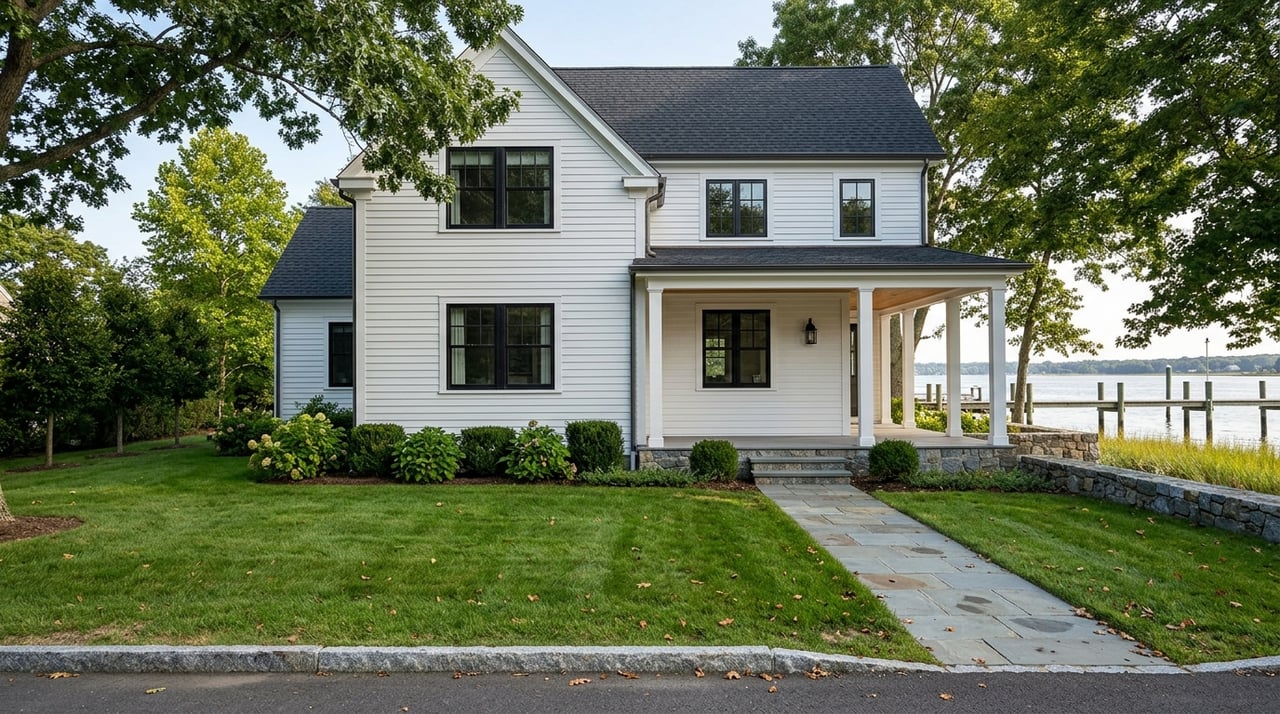
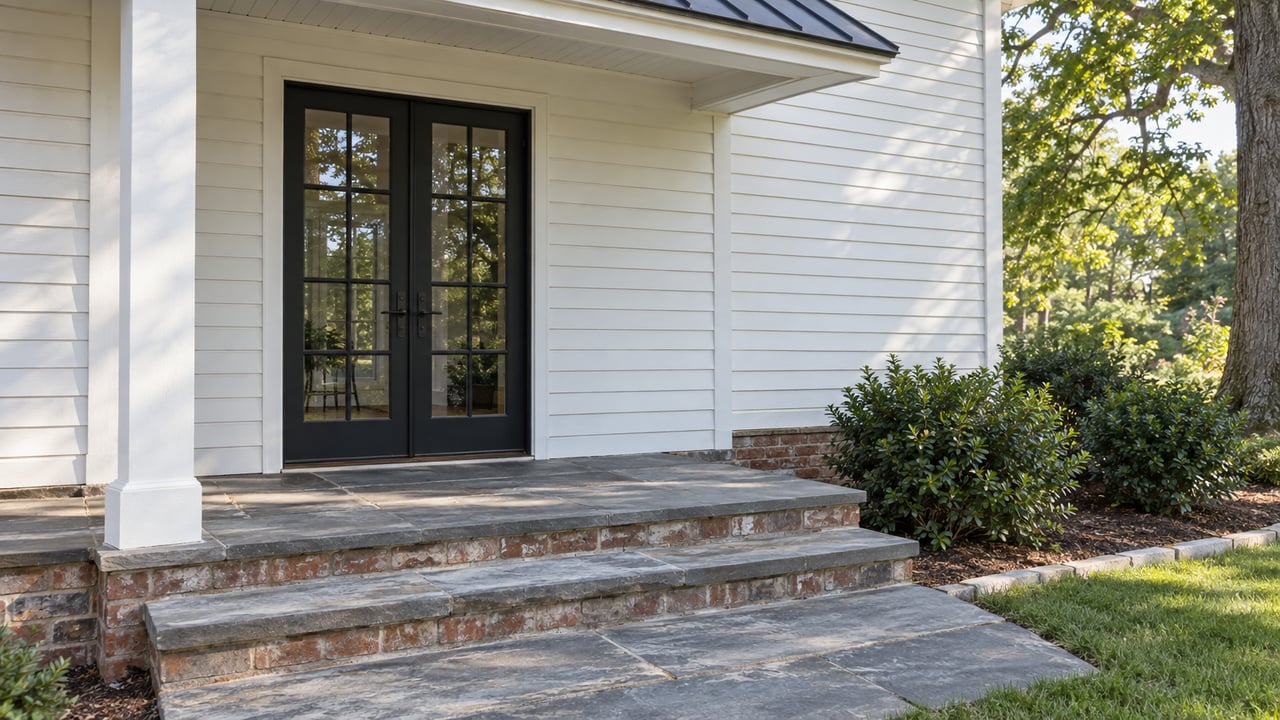
The estate end of that range has a name and a builder attached to it. Arden on the Severn, a waterfront community along the Severn River that dates to 1955, has recently seen Whitehall Building & Company construct new custom homes on Waterview Drive, described in listings as sitting on what many consider the best street on the water side of the neighborhood. One recent Whitehall project offered a 3,700-plus square foot open layout with room to add a fifth and sixth bedroom, Hardiplank siding, granite counters, and a $10,000 credit toward selections for buyers who used the builder's preferred construction-to-permanent lender. That is a fundamentally different transaction, on a different financing track, than a resale rancher on a half-acre lot a few miles inland.
Arden's own average list price runs lower than nearby Herald Harbor, Crownsville proper, and Severna Park across the water, according to local reporting that quoted Kim Franklin, president of the Arden Community Association, who said "I've lived in Arden my entire life" and described three generations of her family staying in the area. The community's four private beaches and boat ramps, run through Sunrise Beach and Arden Beaches Inc. for a modest annual fee, add to the draw without pushing every home into luxury territory. Those projects sit alongside less expensive homes, adding to the range of properties in Arden.
Rural charm has a financing address
Homes.com's own local notes for Crownsville flag something buyers researching from a distance often miss: the lack of public utilities, requiring well and septic systems, shows up across most of the town's housing stock. That single line explains more about how a Crownsville deal actually moves than any amenity list.
A private well and septic setup means the property owner is effectively running a small utility. The water comes from a well casing on the lot. The wastewater goes to a tank and a drain field that has to be sized correctly for the number of bedrooms in the house. None of that is unusual for Anne Arundel County's more wooded, low-density communities, but it changes what a lender needs to see before funding the loan, and different loan types ask for very different things.
Conventional loans, backed by Fannie Mae or Freddie Mac guidelines, are the most forgiving. In most cases, a well or septic inspection is only required if an appraiser flags a visible problem, according to Mortgage Research. A buyer with strong conventional financing on a Crownsville resale can often move through underwriting without a specialist ever touching the septic tank.
FHA and VA loans work differently. According to FHA.com, both require the appraiser to actively check the condition of the septic system, and if there's any sign of trouble, a full inspection follows. FHA guidance in HUD 4000.1 sets specific distance rules: a septic tank generally needs to sit at least 50 feet from any well on the property, with the drain field kept 75 to 100 feet away. EPP Well Solutions says the well itself needs to produce a continuous minimum flow of about 3 gallons per minute. VA Loan Network says VA loans add a mandatory water quality test, valid for roughly 90 days from certification, to confirm the well isn't contaminated. USDA loans, less common in this market but not unheard of on the town's outer edges, tend to require both a water test and a septic evaluation on nearly every private-system property.
None of these rules are unusual by national standards. What makes them relevant here is how often they apply. In a town where public sewer service is the exception rather than the rule, an FHA or VA buyer touring three resale listings in an afternoon is very likely touring three properties that will all trigger the same inspection requirements, while a buyer down the street with conventional financing on the newer end of the market may never encounter them at all.
What the inspection actually costs, and how long it takes
When a full septic inspection is required, it typically runs two to four hours and costs between $300 and $600, performed by a licensed inspector who opens the tank, checks levels, and evaluates the drain field. A full septic system replacement can run anywhere from $5,000 to $30,000 depending on the type of system and the soil conditions on the lot. Some Maryland jurisdictions also require a septic inspection at every ownership transfer, independent of loan type, which means even a cash buyer in the right county can find themselves scheduling the same inspection an FHA borrower would have needed anyway.
That timeline matters for anyone trying to plan a closing date around a school year, a lease end, or a simultaneous sale elsewhere in Anne Arundel County. A resale on well and septic with a government-backed loan is not a faster or slower deal by default, but it is a deal with more fixed steps that have to happen in a specific order, and skipping the research on which loan type triggers which requirement is how buyers end up surprised in week three of a contract instead of week one.
Questions worth asking before you write an offer
Is the property on public water and sewer, or private well and septic? This determines which inspection rules apply before you fall in love with a specific house.
If it's on well and septic, when was the system last inspected or pumped, and is there a report available? A seller who already has documentation in hand can shorten your timeline considerably.
Does your loan type require a mandatory inspection regardless of the property's visible condition? FHA and VA buyers should confirm their loan-specific inspection requirements with their lender. Conventional buyers should do the same, since the answer depends on whether anything triggers a red flag.
For new construction, is your lender comfortable with construction-to-permanent financing, and does the builder have a preferred lender relationship? Whitehall's Arden on the Severn projects show how that arrangement can come with real savings, but it also means your financing path looks nothing like a resale purchase down the street.
Crownsville's median price will keep swinging month to month for the same reason it always has: too few sales, too wide a spread between the cottage and the custom build on the water. The number itself isn't wrong. It's just describing two different transactions and averaging them into one, and only one of those transactions comes with a septic inspector on the timeline.
If you're weighing a purchase in Crownsville and want a clearer read on which side of that median a specific property actually falls on, and what that means for your financing, reach out to David Orso. The ORSO. Team works this stretch of Anne Arundel County closely enough to tell you before you write an offer, not after.
This article is general information, not legal, tax or financial advice. Consult a qualified professional about your situation.