Selling a historic home in Annapolis is rarely as simple as adding fresh paint and listing photos. If your home sits in or near the Historic District, the choices you make before going on the market can affect approval timelines, buyer confidence, and even your final sale experience. The good news is that with the right plan, you can protect the character buyers love while avoiding costly missteps. Let’s dive in.
Start With Historic Review Rules
If you are preparing a historic Annapolis home to sell, your first step should be understanding whether planned exterior work needs city review. Annapolis says exterior projects in the Historic District require a certificate of approval even when a building permit is otherwise exempt. That means prep work should begin with preservation rules, not just cosmetic ideas.
This matters because historic-home selling is not about making the property feel brand new. In Annapolis, the city’s preservation guidance focuses on whether a change keeps the home’s historic character and remains compatible with the district. A project that feels routine in another neighborhood may need a very different approach here.
The city’s Historic Preservation Division advises owners to ask first and apply early before signing a contract or starting work. If you are unsure about a project, early clarification can save time, money, and frustration later.
Focus Spending Where It Counts
Before spending heavily, think strategically about what buyers will notice and what you may need to disclose. Maryland law requires sellers to disclose defects and condition issues within their actual knowledge, including items involving the roof, walls, floors, foundation, plumbing, electrical, heating and cooling systems, wood-destroying insects, land-use matters, and certain hazardous materials.
The law does not require you to perform an independent inspection in order to make those disclosures. Still, many sellers benefit from a pre-list walkthrough or inspection so they can understand the home’s condition before buyers do. That can help you decide which repairs are worth making and which issues should simply be documented and disclosed accurately.
For a historic home, the best use of pre-list dollars is often condition, safety, and preservation-minded repair. That usually means stabilizing what matters, addressing visible deterioration, and improving presentation without stripping away original character.
Prioritize Repair Over Replacement
Annapolis’ design guidance consistently favors repair and restoration over replacement. Deteriorated historic features should be repaired unless the deterioration is severe enough to justify replacement. Original materials should be preserved in place when feasible.
That is especially important for windows and doors. The city’s design manual says historic windows and doors should be preserved and repaired, and vinyl and metal-clad replacement windows are not permitted. If you are considering window work before listing, this is an area where sellers should move carefully.
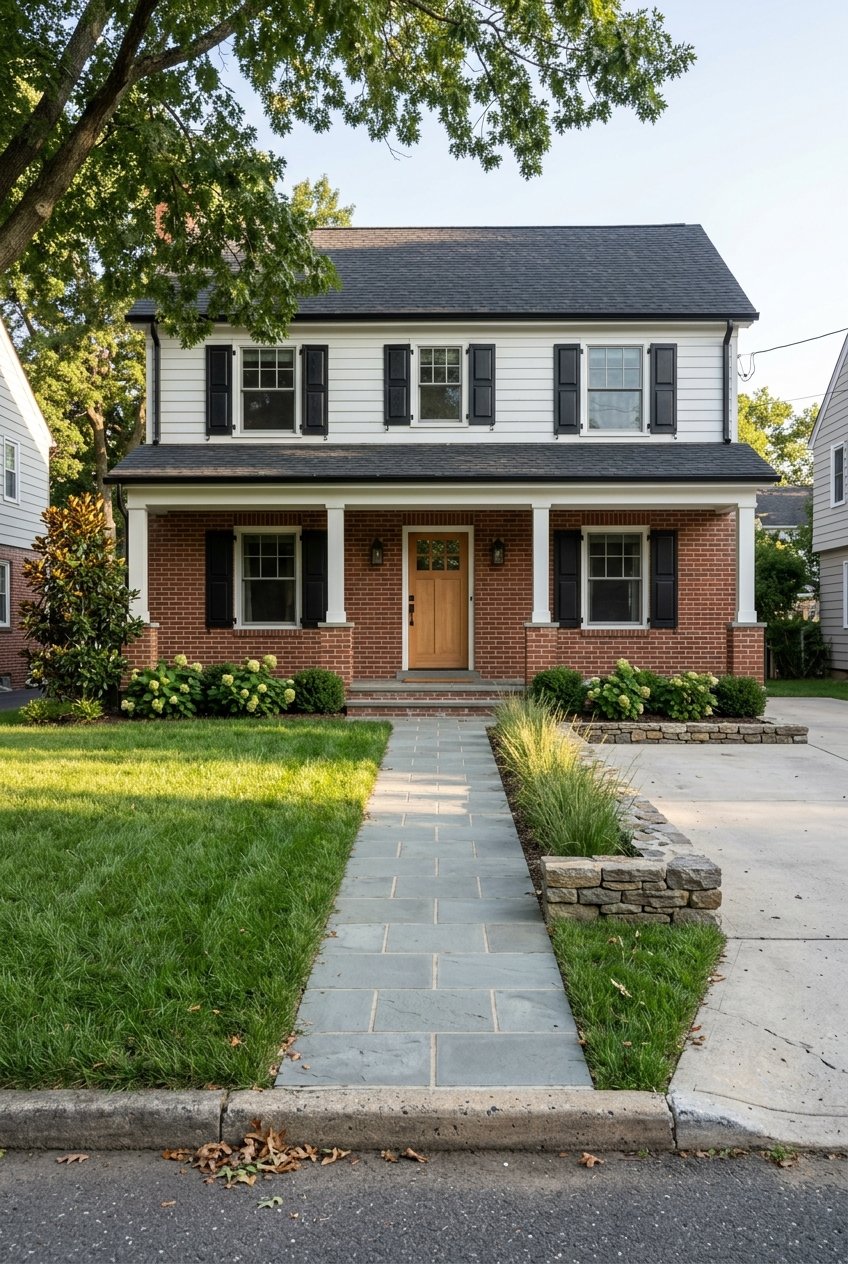
The same mindset applies to other original features like porches, shutters, siding, and masonry details. Buyers looking at historic Annapolis homes often value authenticity, and the city’s standards support that same goal.
Know Which Projects May Need Approval
Some projects may qualify for administrative approval, which can be a simpler review path. The city’s checklist notes that applications for repair or replacement of siding, roofs, windows and doors, and miscellaneous repairs such as repointing may not require a site plan. Even so, those projects are still part of the review process and often require photos, product specifications, and sometimes drawings.
A good rule of thumb is simple: the more visible and permanent the change, the more likely it is to need advance review. If you are thinking beyond basic repair, build extra time into your prep calendar.
Exterior Changes That Often Need Careful Planning
Projects that can fall within the preservation review process include:
- Porches
- Decks
- Fences
- Driveways
- Landscaping
- Awnings
- Signs
Fencing is a good example of how historic-district rules can shape seller decisions. The Annapolis design manual says fences should relate to the architecture of the building, and it identifies chain link, vinyl, Trex, shadow box, board-on-board, and stockade fencing as incompatible with historic-district landscapes.
Historic shutters also deserve attention. The city guidance says they should be preserved unless deterioration justifies replacement. If your instinct is to swap older features for easy modern materials, it is worth pausing before moving forward.
When To Request a Pre-Application Meeting
If a planned improvement feels unclear, a pre-application meeting can be a smart step. Annapolis allows preliminary review before a full certificate-of-approval submission. For sellers, that can reduce guesswork and help you avoid starting work that may need to be revised later.
This is especially useful if you are on a listing timeline and want to know whether a project is realistic before investing in contractors, materials, or design decisions.
Use Cosmetics to Support Character
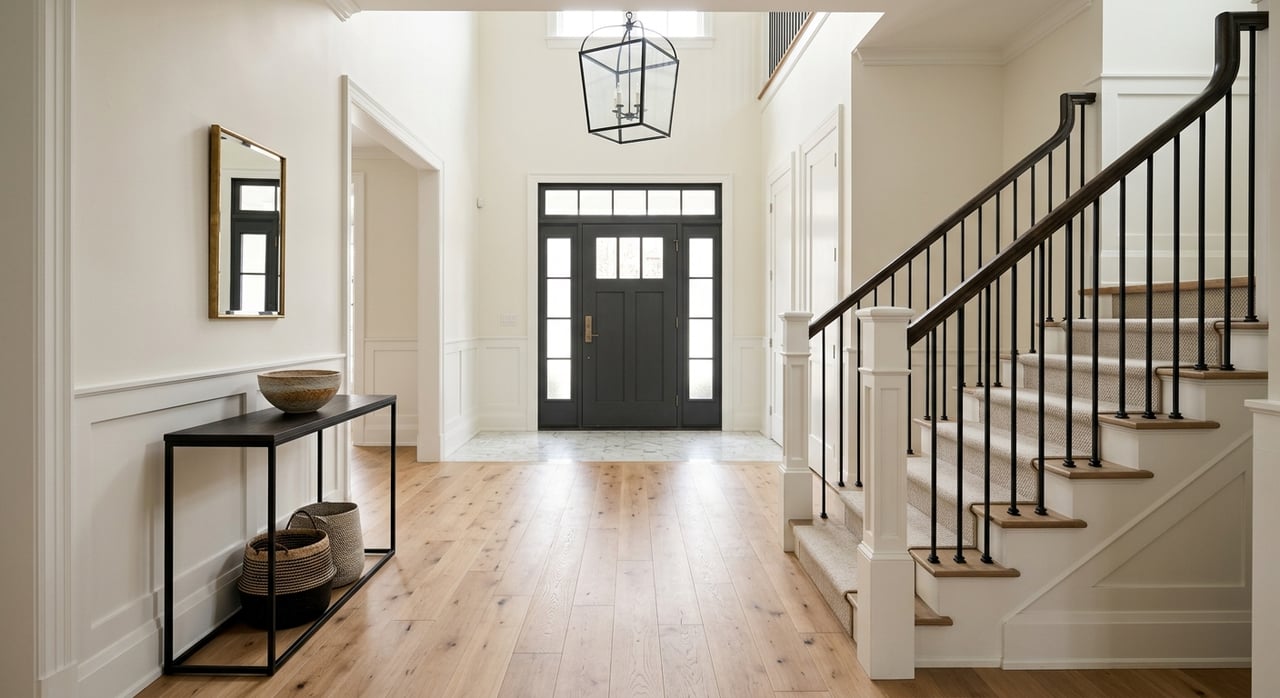
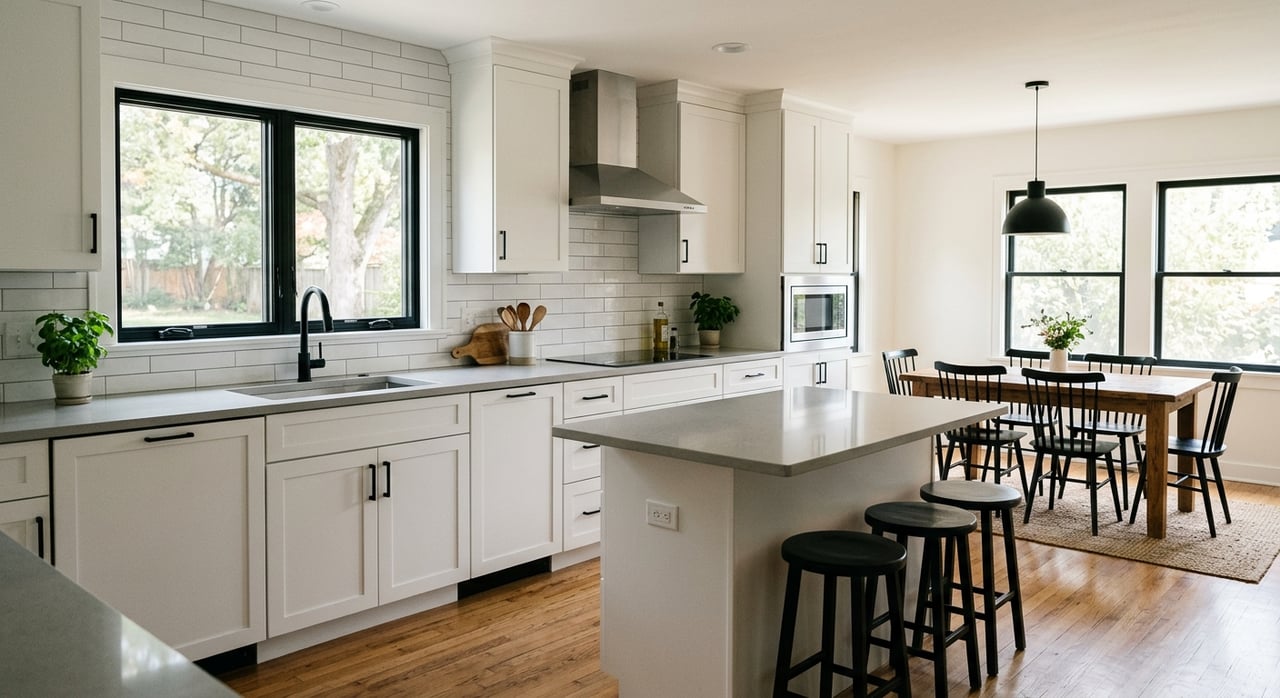
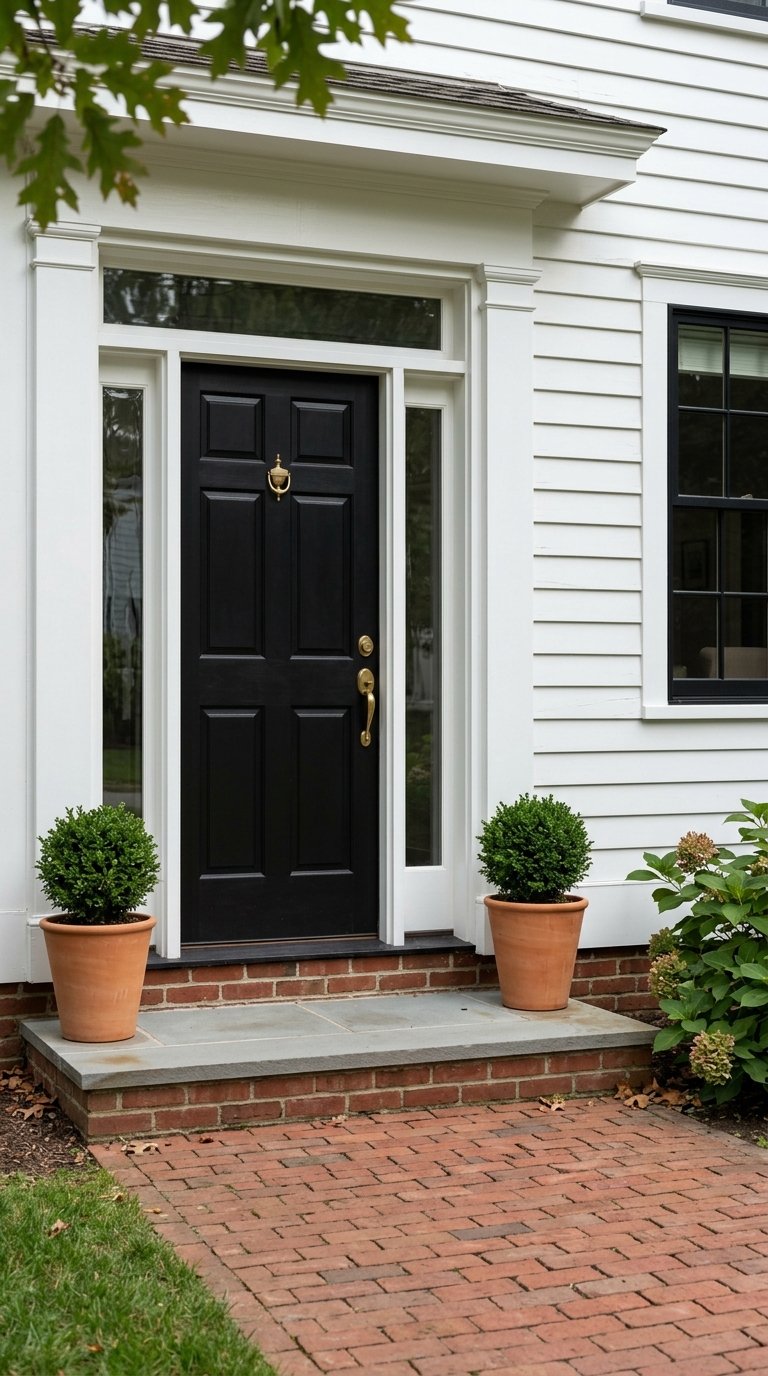
Cosmetic prep still matters, but in a historic home, it should support the architecture rather than compete with it. The most effective updates are often the simplest ones: decluttering, reducing bulky furniture, packing away personal items, and freshening the entry so buyers can focus on space and detail.
That approach lines up well with historic presentation. Instead of over-modernizing, aim to let original windows, doors, trim, porches, and other period features stand out. Clean presentation helps buyers appreciate what makes the home distinct.
Be Thoughtful About Paint and Roofing
Exterior paint decisions are usually less regulated than other visible changes, though the city notes that colors should suit the building’s style and period. The Historic Preservation Commission generally does not review exterior paint colors unless the color is integral to the material itself.
Roofing also deserves careful planning. The design manual recommends matching replacement roofing to historic materials where feasible. If your roof needs attention before listing, choose solutions that support both condition and compatibility.
Handle Disclosures Early
Historic homes often come with longer disclosure conversations, so it helps to get organized early. In Maryland, the disclosure or disclaimer statement must be delivered on or before the contract of sale, and state regulations say the seller’s agent should obtain that form when the listing is taken.
Timeliness matters. If the disclosure is not delivered on time, the buyer may have a right to rescind. That is one reason many sellers benefit from preparing disclosures well before the home goes live.
What Maryland Sellers May Need to Disclose
Maryland’s disclosure law covers condition items within your actual knowledge, including:
- Roof issues
- Wall, floor, or foundation concerns
- Plumbing problems
- Electrical issues
- Heating and cooling conditions
- Wood-destroying insects
- Land-use matters
- Asbestos
- Lead-based paint
- Radon
- Underground storage tanks
- Smoke alarms
- Carbon monoxide alarms
For older homes, lead-based paint is a major issue to address early. Federal rules apply to most housing built before 1978, requiring sellers to disclose known lead-based paint information and provide the required pamphlet. Buyers must also be given a 10-day opportunity to conduct a lead inspection or risk assessment unless that period is waived.
Given the age of many historic Annapolis properties, this is not a detail to leave until the last minute.
Market the Home Accurately
Historic homes tend to perform best when marketing feels polished, honest, and specific. Buyers respond well when they can clearly see both the character of the home and the improvements that have been made over time. Clean staging and strong photography help, but accuracy matters just as much.
Staging guidance shows that buyers often find it easier to picture a home as their future residence when it is well presented. Industry consumer guidance also reports that staging can support stronger offers and shorter time on market. For a historic property, that usually means highlighting period charm and documented updates rather than trying to make the home feel like a new build.
If any virtual staging or photo enhancement materially changes the appearance of the property, that should be disclosed so buyers have a true picture of what they are seeing.
Plan Improvements Around Your Timeline
If you are considering improvements before listing, your calendar matters. Annapolis has a historic preservation tax credit program for certain qualified work on designated landmarks, including eligible exterior features and some life-safety or hazard-mitigation interior work.
According to the city code, eligible expenses must exceed $5,000 per application, the project must have a certificate of approval before preliminary certification, and work must begin within six months after the certificate is issued. For sellers, that means timing and approval sequencing are important if you are hoping to complete meaningful work before sale.
In many cases, the cleanest path looks like this:
- Confirm the property’s historic review status with the city.
- Get a preservation-minded walkthrough or inspection.
- Identify any work that may need approval.
- Complete repairs that improve condition, safety, or presentation.
- Prepare accurate disclosures and records.
- Launch the home with marketing that highlights character and true upgrades.
Selling Well Means Staying Strategic
Preparing a historic Annapolis home to sell well is not about erasing age. It is about showing buyers that the home has been cared for, presented thoughtfully, and handled with respect for both its condition and its character. When you plan around preservation rules, focus spending wisely, and market the property honestly, you put yourself in a much stronger position for a smooth sale.
If you are thinking about selling a historic home in Annapolis, working with a team that understands local preparation, positioning, and timing can make the process far less stressful. Connect with David Orso for clear guidance on how to prepare, market, and sell your home with confidence.
FAQs
What exterior work on a historic Annapolis home needs approval before listing?
- In Annapolis’ Historic District, all exterior projects require a certificate of approval even if a building permit is otherwise exempt.
Can you replace windows in a historic Annapolis home before selling?
- Annapolis design guidance says historic windows should be preserved and repaired when feasible, and vinyl and metal-clad replacement windows are not permitted.
Should you inspect a historic Annapolis home before putting it on the market?
- Maryland law does not require an independent inspection for seller disclosures, but a pre-list walkthrough or inspection can help you decide which repairs matter most before buyers raise concerns.
What must sellers disclose for an older Annapolis home?
- Maryland sellers must disclose known condition issues covered by state law, including structural and system defects, certain hazardous materials, and smoke and carbon monoxide alarm information.
Do sellers of older Annapolis homes need to address lead-based paint rules?
- Yes, for most homes built before 1978, federal lead-based paint disclosure rules apply, including disclosure of known information and a buyer opportunity to conduct a lead inspection or risk assessment.