If you are thinking about living in Annapolis, you are probably trying to picture more than a map pin. You want to know what daily life actually feels like in a city known for brick streets, boats, government buildings, and Chesapeake Bay views. The good news is that Annapolis offers a rare mix of historic character, waterfront access, and practical everyday convenience. Let’s dive in.
What Annapolis Feels Like
Annapolis is Maryland’s capital city and the county seat of Anne Arundel County, but it does not feel oversized or impersonal. The city covers just 7.21 square miles and had an estimated population of 40,689 as of July 2024, which gives it a compact, connected feel compared with larger metro areas. According to the U.S. Census QuickFacts for Annapolis, the city also has a mixed owner-renter profile, with a 62.0% owner-occupied housing rate.
That compact footprint shapes how you experience the city. You are never far from the waterfront, civic landmarks, or neighborhood business districts, and many parts of town feel tied together by short drives, walkable pockets, and water views. The result is a city that feels active and layered without feeling overwhelming.
Why Annapolis Stands Out
Annapolis has an identity that is hard to mistake. The city highlights St. John’s College, the United States Naval Academy, and the Maryland State House as part of its defining institutional landscape, and those places give the city a civic and historic presence that shows up in everyday life.
You feel that character most clearly in and around downtown. The city describes downtown Annapolis as a one-square-mile National Historic Landmark with brick streets, historic homes, waterfront views, boutiques, sidewalk cafes, and nearby access to the Naval Academy and St. John’s College. It also notes that the area includes one of the nation’s largest concentrations of Georgian and Victorian architecture, according to the city’s overview of Annapolis business districts.
Daily Life Near Downtown
If you picture yourself grabbing coffee, walking past historic buildings, heading toward the water, and running errands without a long drive, downtown Annapolis may be the image that comes to mind. This part of the city is the most visually distinctive and one of the most walkable. Daily routines often happen close to parks, docks, local shops, and public spaces.
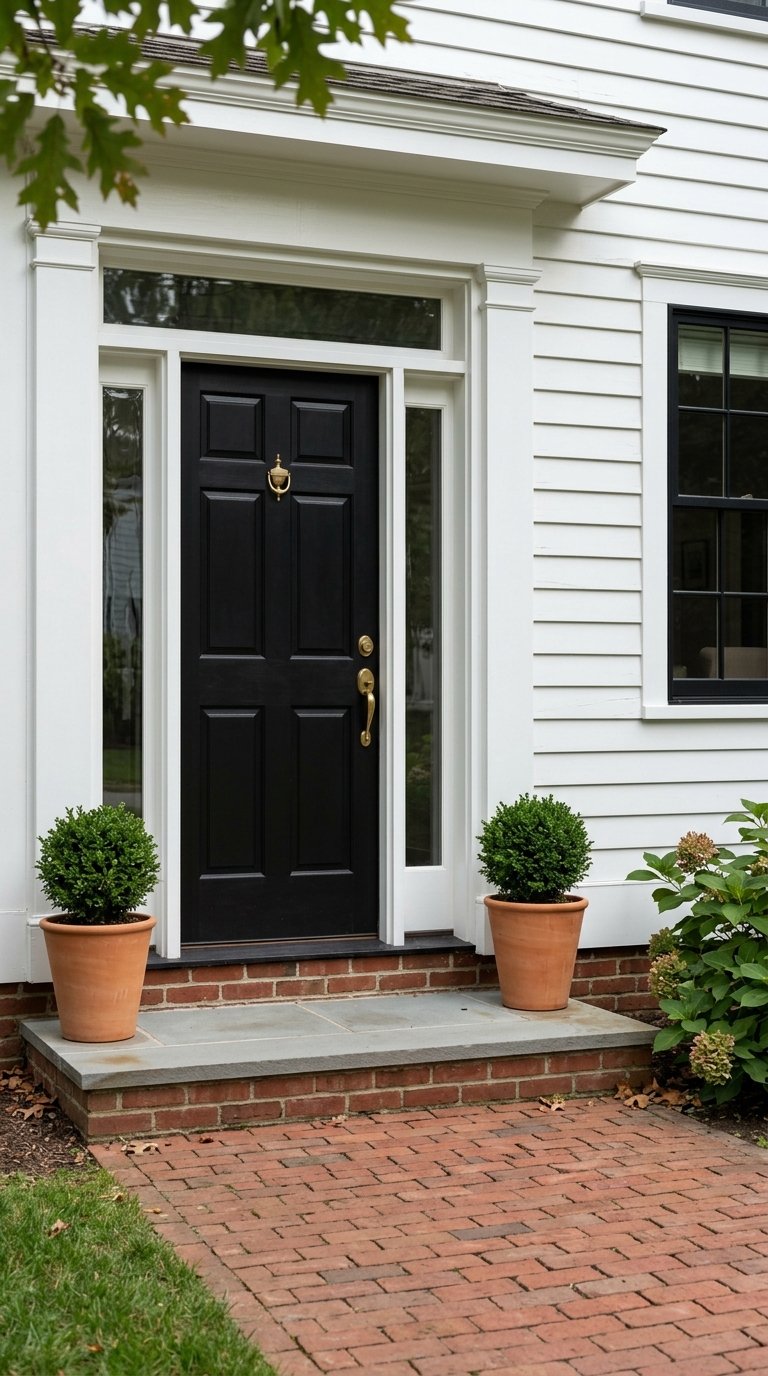
That said, living close to the historic core comes with a specific setting. Homes and buildings in the Annapolis Historic District may be subject to exterior-review standards through the city’s Historic Preservation Division, and zoning within the district includes single-family, conservation, mixed-use, and waterfront-maritime areas. For buyers, that means the feel of one block may differ meaningfully from the next.
Eastport Brings a Maritime Rhythm
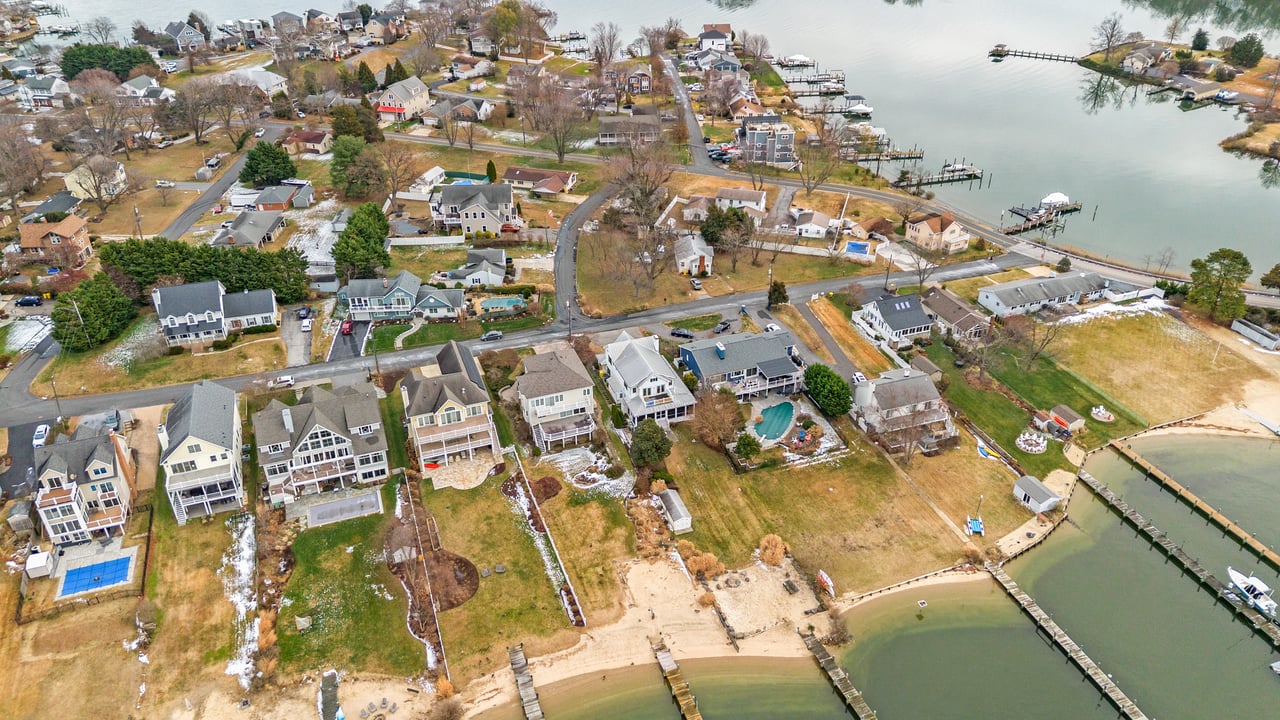
Across the water from downtown, Eastport offers another side of Annapolis living. The city describes Eastport as a historic residential neighborhood near downtown and the waterfront, with marinas, marine businesses, restaurants, and historic homes. It is one of the clearest examples of how residential and maritime life overlap in Annapolis.
Eastport also has variation within it. In the city’s transportation study, the older eastern grid is described as having historic homes on narrow lots, while the area west of 6th Street has a newer street pattern and larger residential lots. If you are comparing neighborhoods, this distinction matters because the housing feel can shift even within the same general area.
Beyond the Harbor, Annapolis Changes
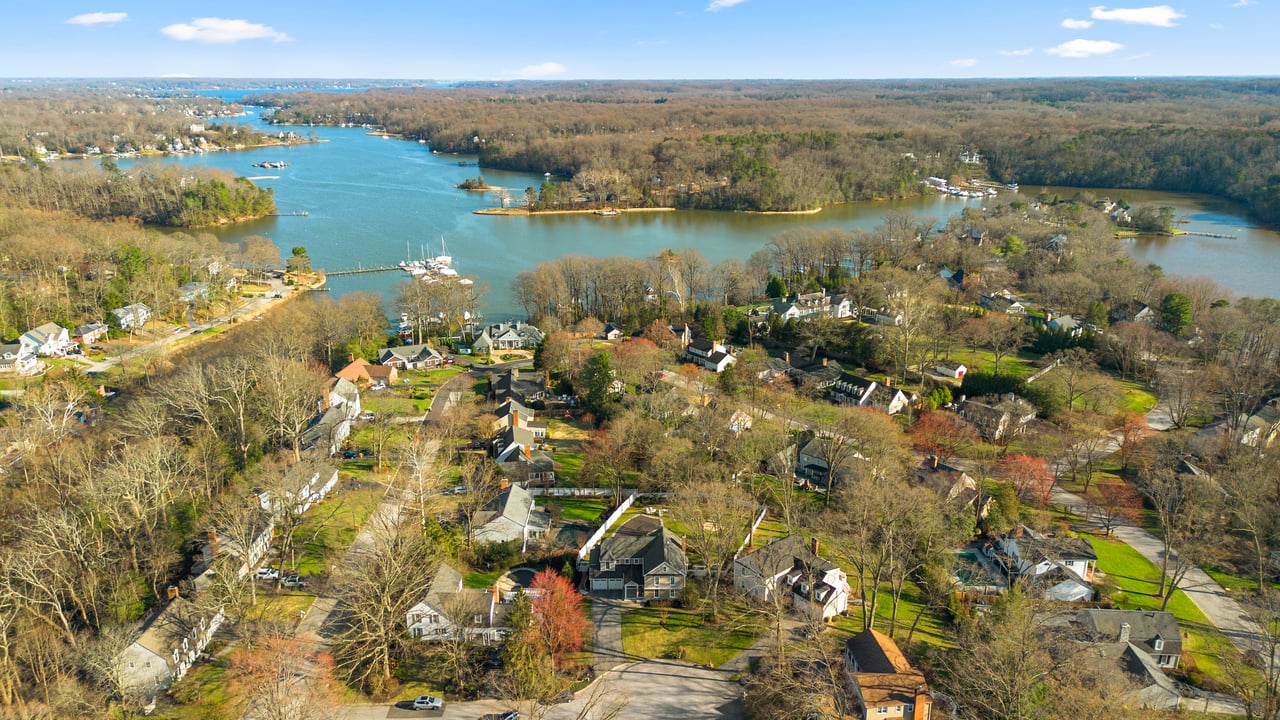
Not every part of Annapolis feels like the postcard view. Farther from the harbor, the city becomes more neighborhood-oriented and less dense, which can appeal to buyers who want easier parking, more yard space, or a slightly more suburban rhythm.
The city describes West Annapolis as a brisk walk from the core with boutiques, services, and professional offices. It presents the Forest Drive corridor as a blend of urban and suburban uses with access toward Routes 2 and 50, plus connections toward Washington, Baltimore, and nearby airports. In practical terms, that means you can often choose between a more historic waterfront setting and a more everyday residential feel without leaving the city.
Waterfront Living Is Part of Real Life
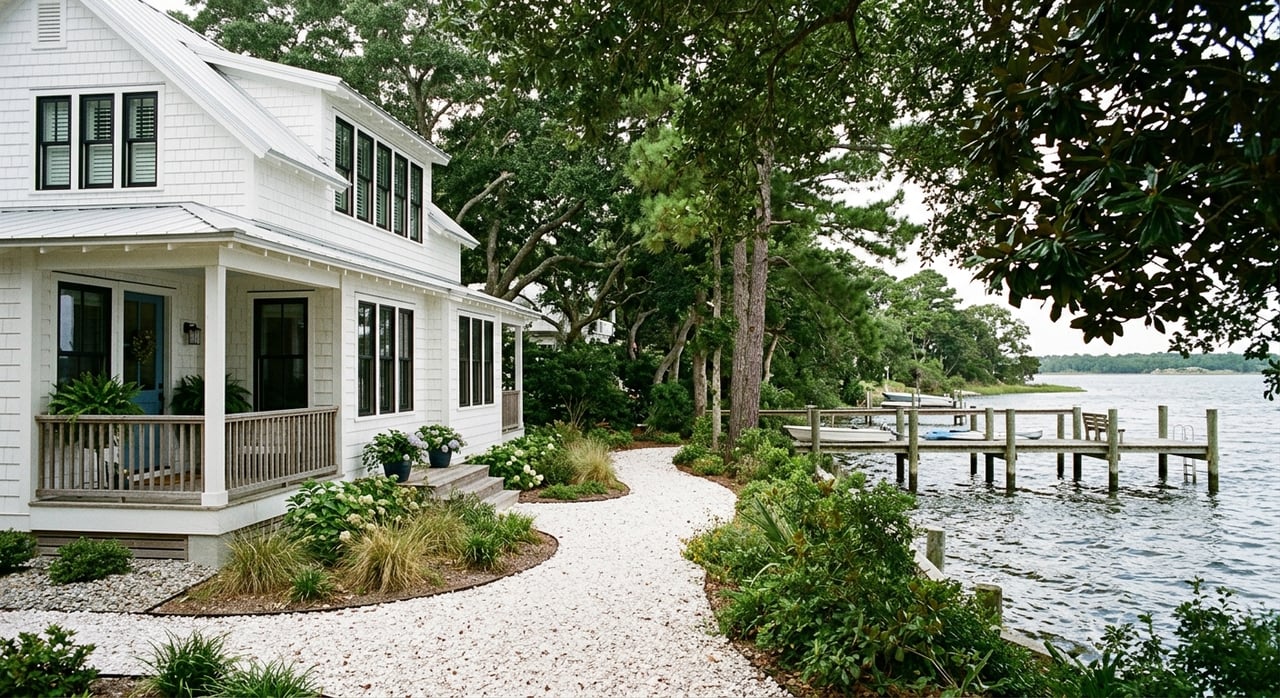
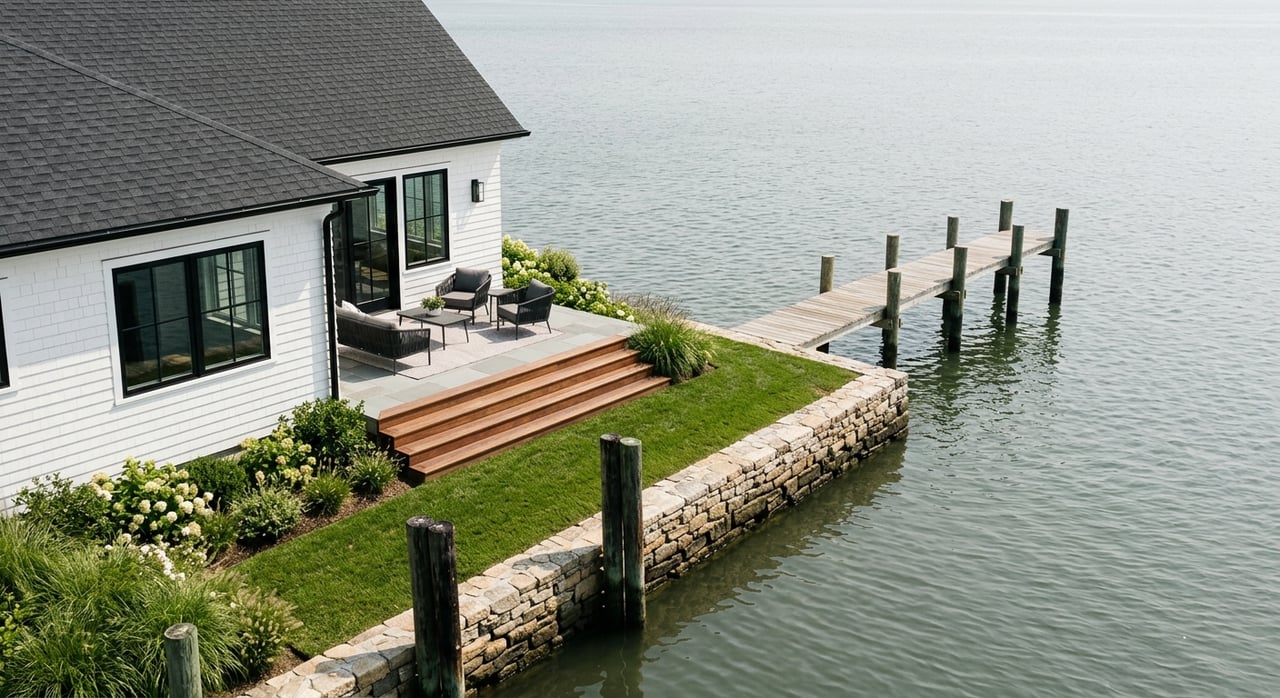
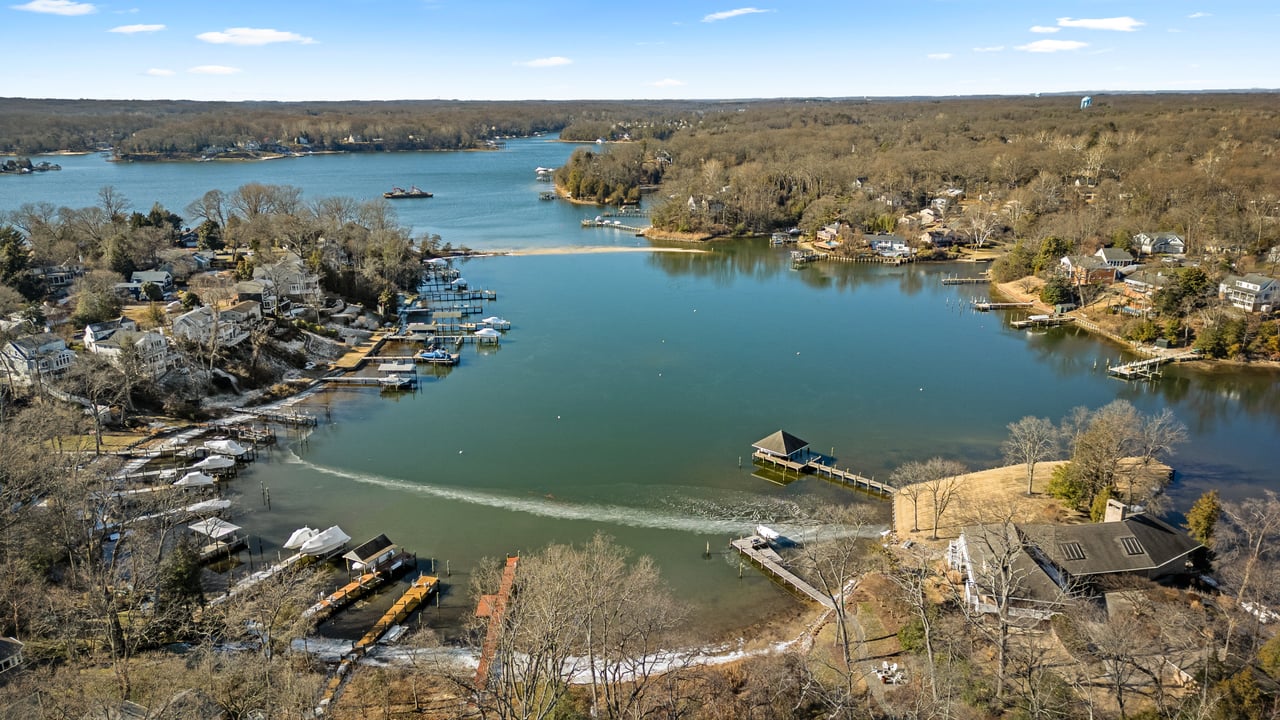
In Annapolis, the water is not just something you look at. It is part of how the city functions. The Harbormaster manages public and private moorings, 1,700 feet of bulkhead, 20 slips at City Dock, more than 17 miles of shoreline, park docks, street-end landings, public dinghy docks, and water-taxi service in Spa Creek and Back Creek, according to the city’s Harbormaster overview.
That kind of access shapes everyday life in ways both small and obvious. Some residents prioritize boating or paddle access. Others simply enjoy having docks, creeks, marinas, and waterfront activity woven into the background of daily errands, dinners, and weekend plans.
City Dock Is Still Important
There is one current detail worth knowing if you are considering Annapolis today. The city says the City Dock Resiliency Project is underway through early 2028, with many slips closed and some waterfront services suspended.
That does not change the fact that downtown waterfront access remains central to life in Annapolis. It does mean the experience around City Dock is temporarily evolving, so it is smart to understand current conditions if waterfront access and marina activity are high on your list.
Parks Add Everyday Balance
Annapolis is not all brick streets and boats. The city says it has 40 parks and trails across more than 200 acres of parkland, giving residents plenty of places to walk, play, exercise, or spend time outdoors. For many households, that adds balance to a city known for its history and waterfront.
Quiet Waters Park is one of the most notable nearby outdoor spaces in Annapolis, with 340 acres, six miles of paved trails, a cartop boat launch, a dog park and beach, playgrounds, picnic areas, and water access to Harness Creek and the South River. Closer to downtown, the same city parks page notes that Truxtun Park includes a recreation center, municipal pool, boat ramp, skate park, ballfields, courts, playgrounds, and pavilions.
Getting Around Annapolis
For a historic waterfront city, Annapolis offers a fairly layered transportation system. The city says Annapolis Transit covers about 23 square miles in the city and nearby county areas and includes fixed routes, shuttle service, ADA paratransit, and Go! Time on-demand service within the city.
There are also a few options that support downtown access. The city notes a free all-electric trolley on weekends, a weekday State Shuttle between Navy-Marine Corps Memorial Stadium and the Central Business District, and daily MTA bus service from downtown Annapolis to Washington, D.C. If you work locally, commute regionally, or just want alternatives to driving into the core, those options can be useful.
Regional Access Matters Too
One reason Annapolis appeals to so many buyers is that it feels distinct without feeling isolated. The city says U.S. Routes 50/301, Maryland Route 2, and Interstate 97 connect Annapolis to the Chesapeake Bay Bridge, while Washington, D.C., and Baltimore are both about 27 miles away.
That location helps Annapolis function as both a destination and a practical home base. You get a compact waterfront city with strong local identity, but you are still within a broader Anne Arundel County and regional commuting network.
Housing Choices Feel Varied
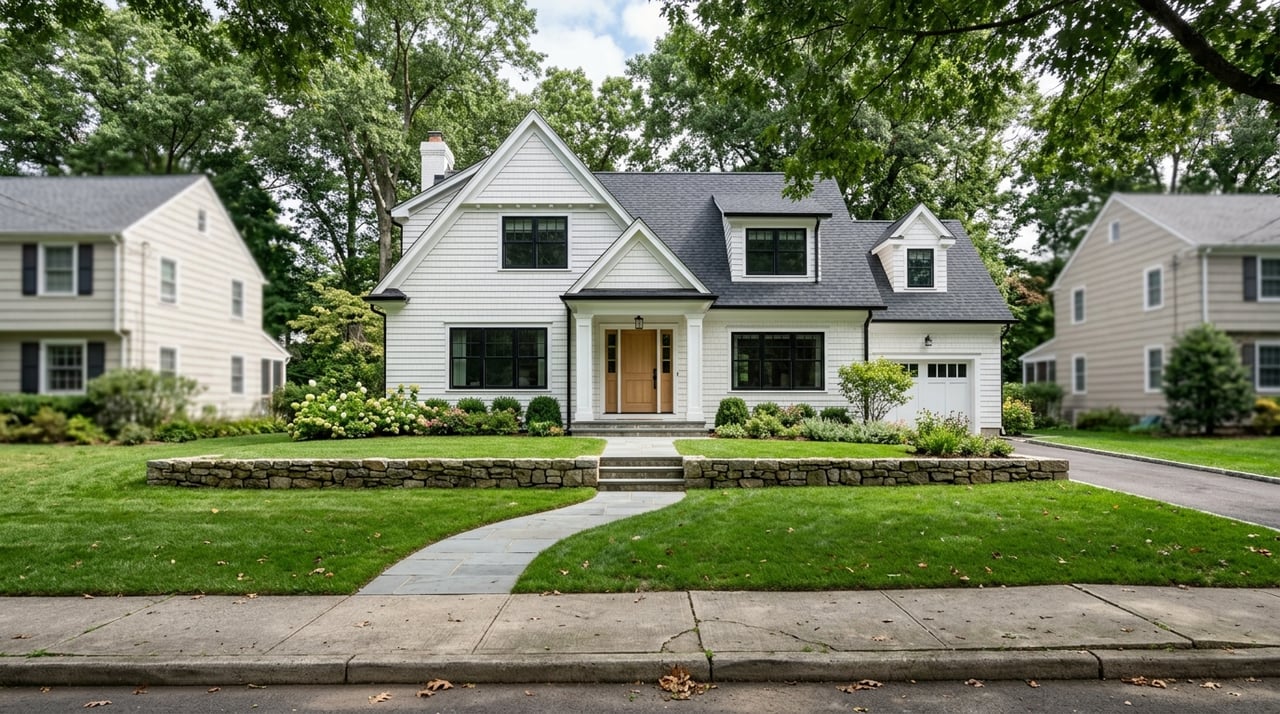
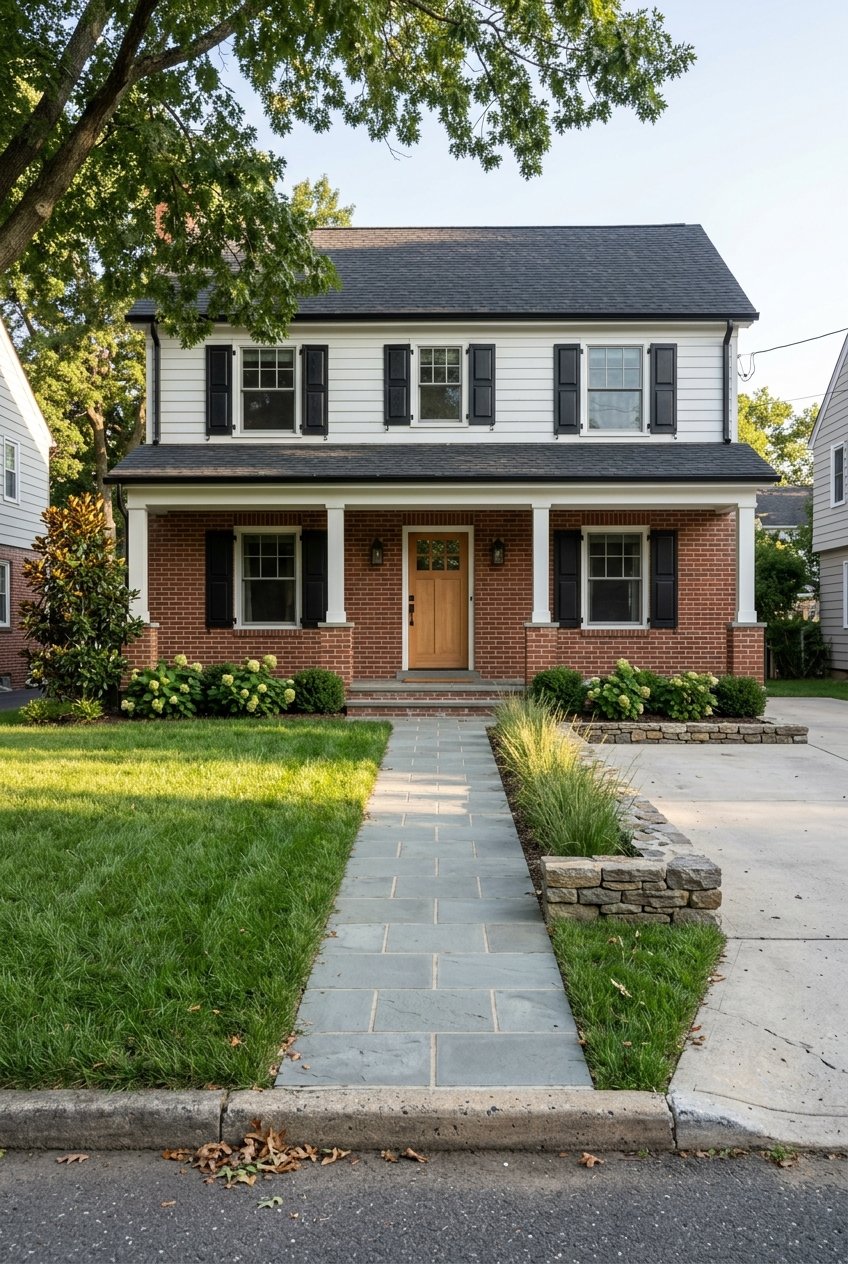
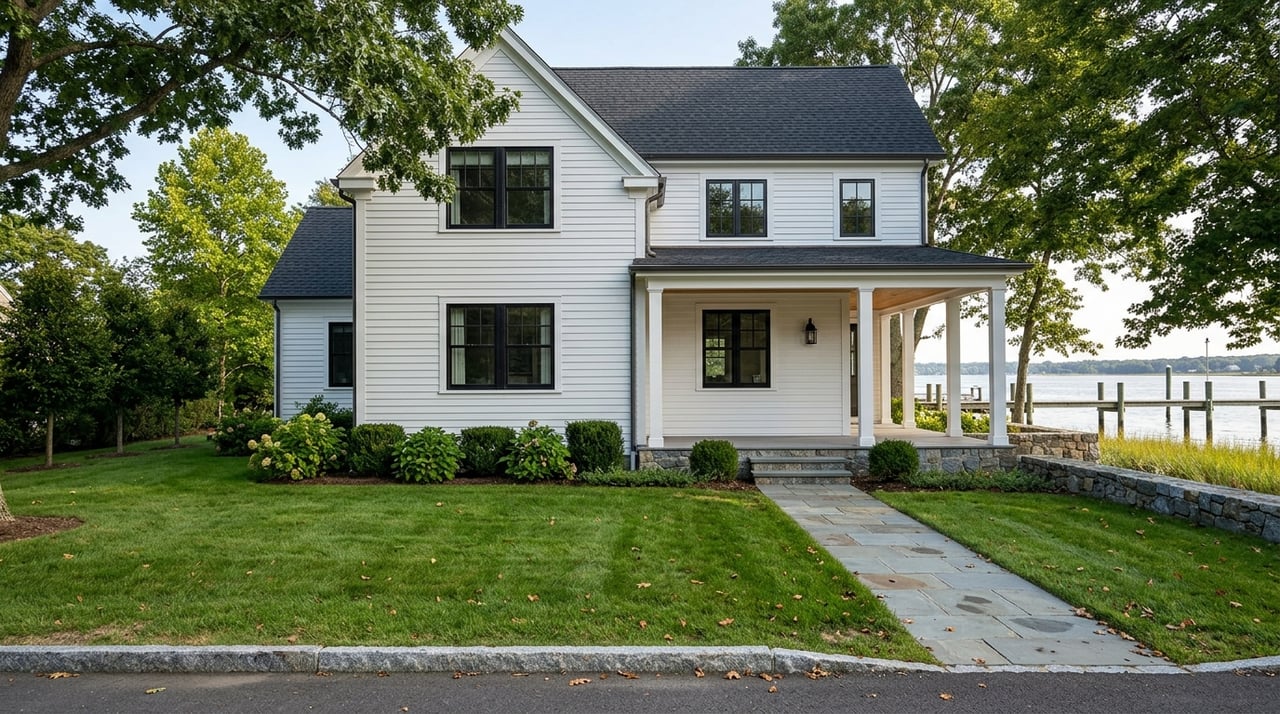
Annapolis is not a one-note housing market. The historic core, Eastport, West Annapolis, and the corridors farther from downtown all offer different lifestyle patterns, and that variety is part of the appeal. Some buyers are drawn to historic homes and walkability, while others want a residential setting with easier regional access.
The city’s housing and preservation framework also matters. In historic areas, exterior changes may be reviewed, and the zoning mix can affect how homes, businesses, and waterfront uses relate to one another. If you are buying in Annapolis, understanding those differences can help you match your priorities to the right area.
Is Annapolis Right for You?
Annapolis may be a strong fit if you want a city that feels coastal, historic, and active on a daily basis. It can work well for buyers who value waterfront access, local character, compact living patterns, and a mix of housing types within a relatively small footprint.
It may also appeal to sellers because the city offers multiple lifestyle stories, from historic charm and marina access to park access and regional convenience. That makes positioning especially important. In a market with distinct subareas, clear local guidance can help you make smarter decisions whether you are buying your first home, moving up, or preparing to sell.
If you are thinking about buying or selling in Annapolis, working with a team that understands the city block by block can make the process much clearer. David Orso and the ORSO. Team bring deep Anne Arundel County knowledge, thoughtful guidance, and a steady approach to help you move with confidence.
FAQs
What is everyday life like in Annapolis, Maryland?
- Everyday life in Annapolis blends historic streets, waterfront activity, parks, local business districts, and a compact city layout that keeps many destinations close together.
Is downtown Annapolis walkable for daily errands and leisure?
- Downtown Annapolis is one of the city’s most walkable areas, with short blocks, shops, cafes, waterfront spaces, and civic landmarks concentrated in the historic core.
What is the difference between downtown Annapolis and Eastport?
- Downtown Annapolis is known for its historic core, brick streets, and civic landmarks, while Eastport combines historic residential areas with marinas, marine businesses, restaurants, and waterfront activity.
Are there parks and outdoor spaces in Annapolis, Maryland?
- Yes. Annapolis has 40 parks and trails on more than 200 acres of parkland, and local highlights include Quiet Waters Park and Truxtun Park.
How do you get around Annapolis and commute from the city?
- Annapolis offers local transit, shuttle options, weekend trolley service downtown, and road access via Routes 50/301, Route 2, and I-97, with Washington and Baltimore about 27 miles away.
Is waterfront access important to living in Annapolis?
- Yes. Waterfront access is a major part of Annapolis life, with shoreline, moorings, docks, street-end landings, and water-taxi service all contributing to the city’s day-to-day character.