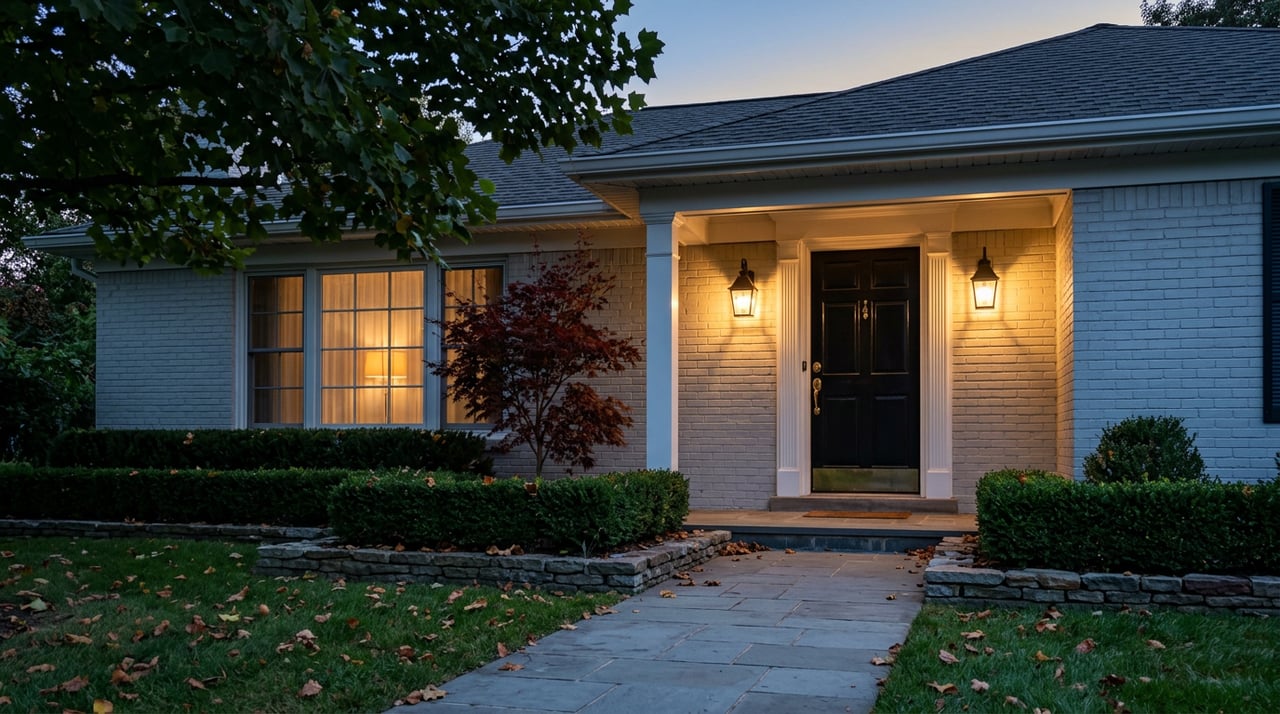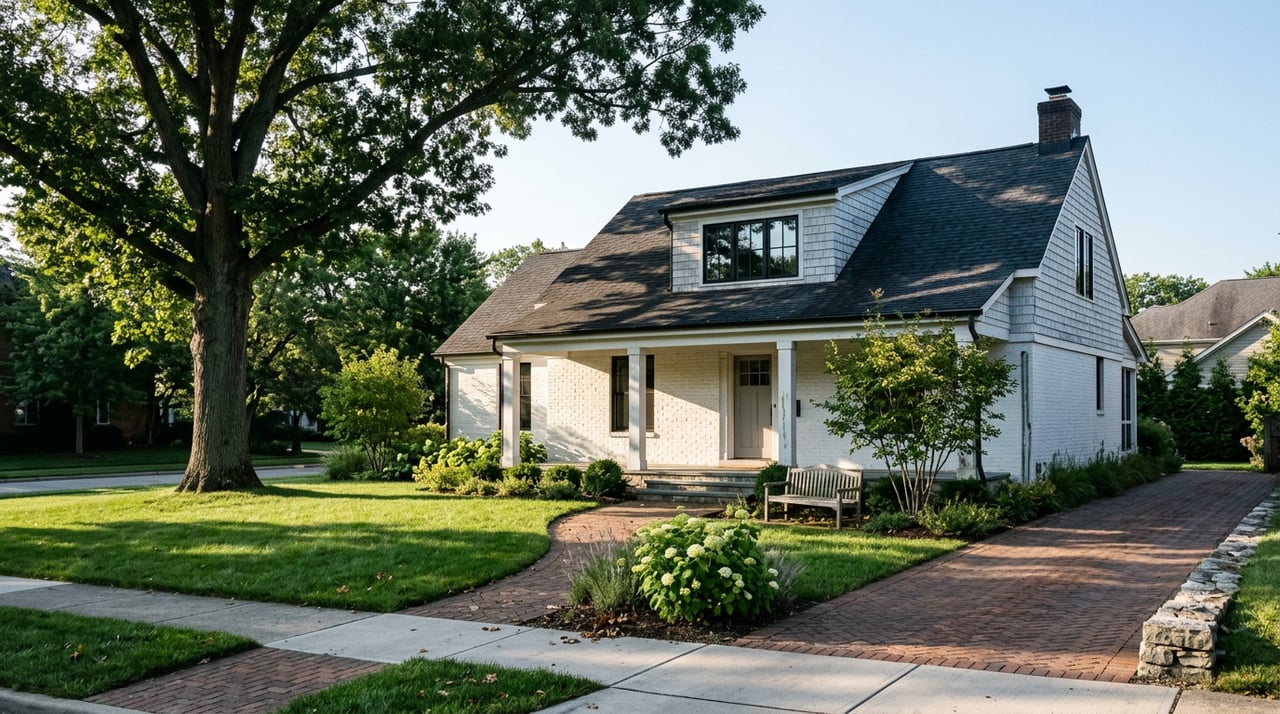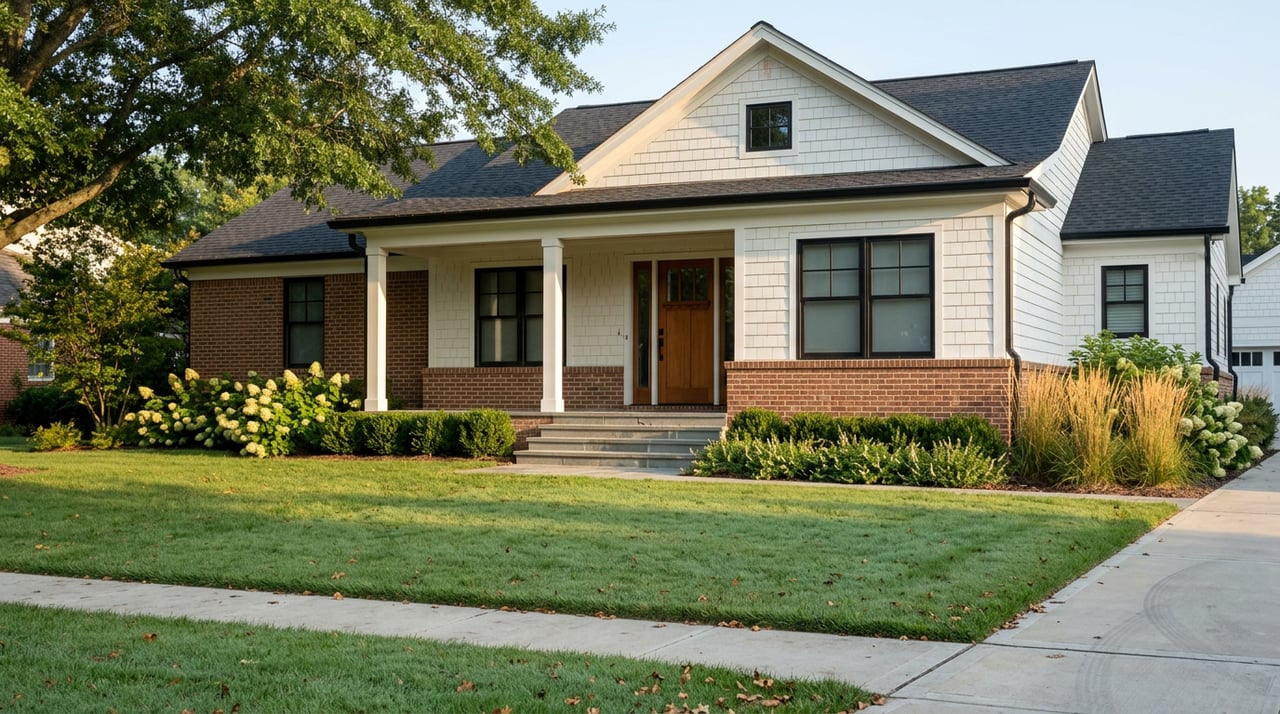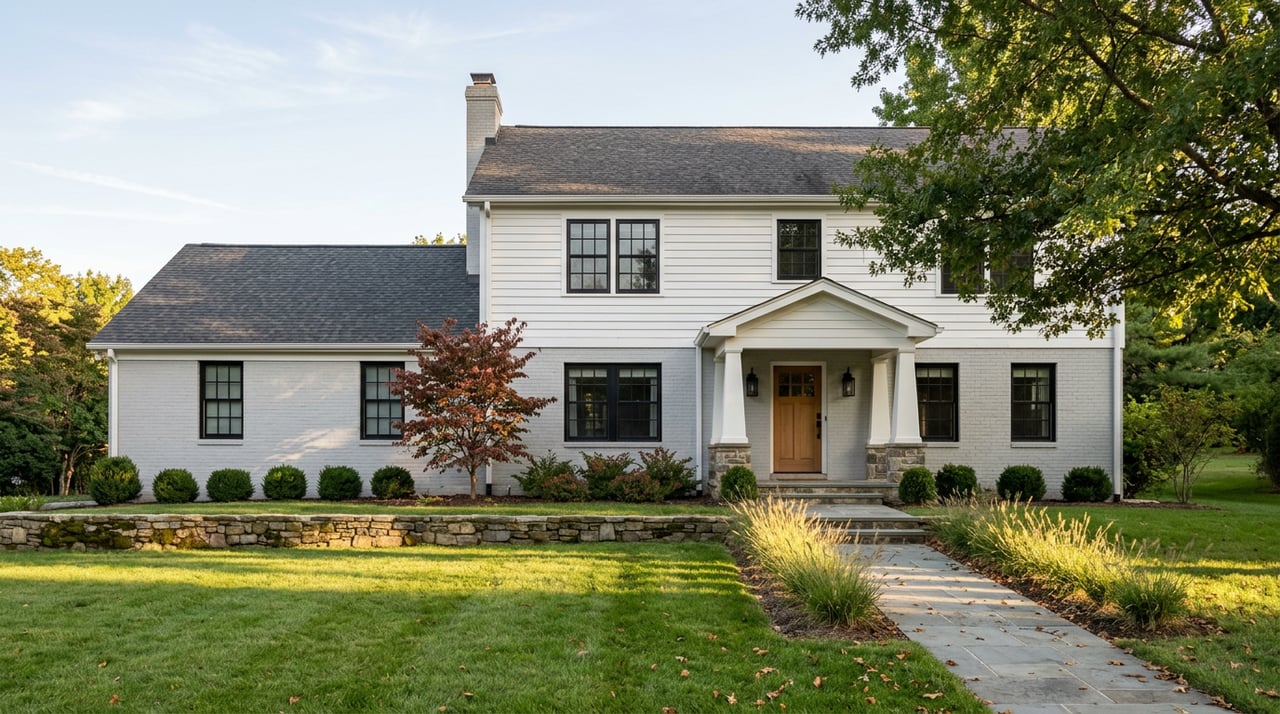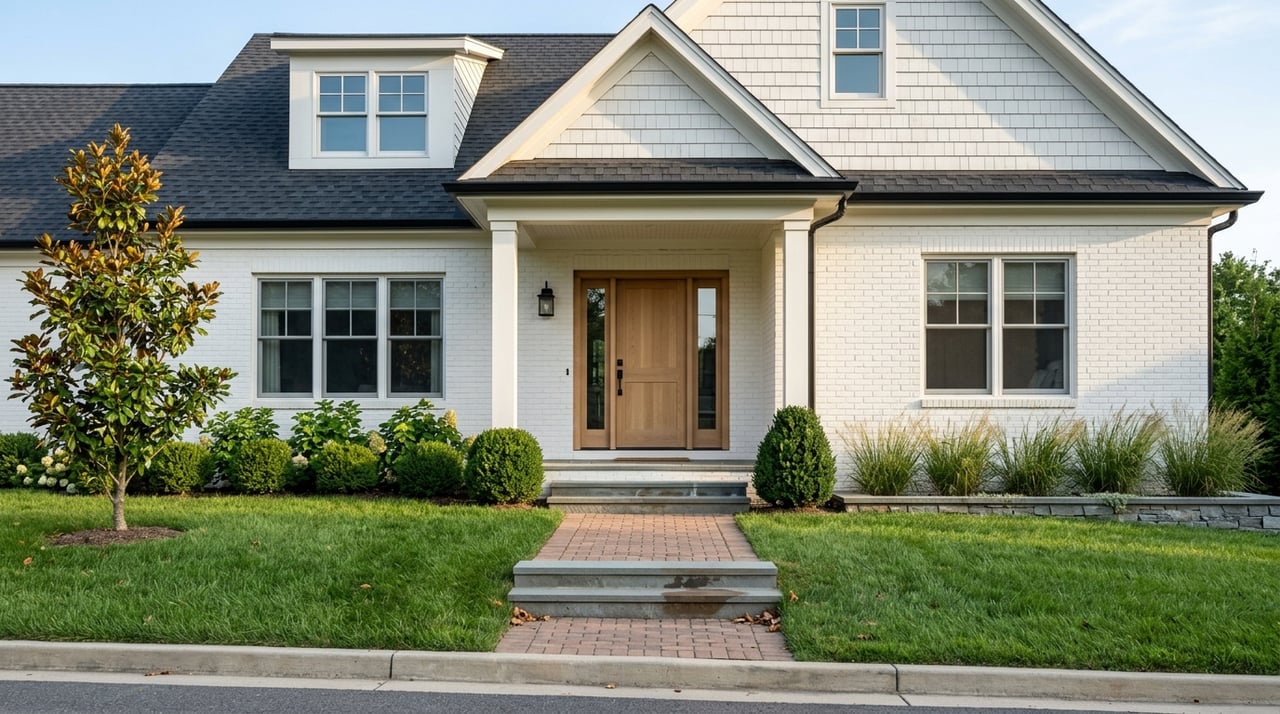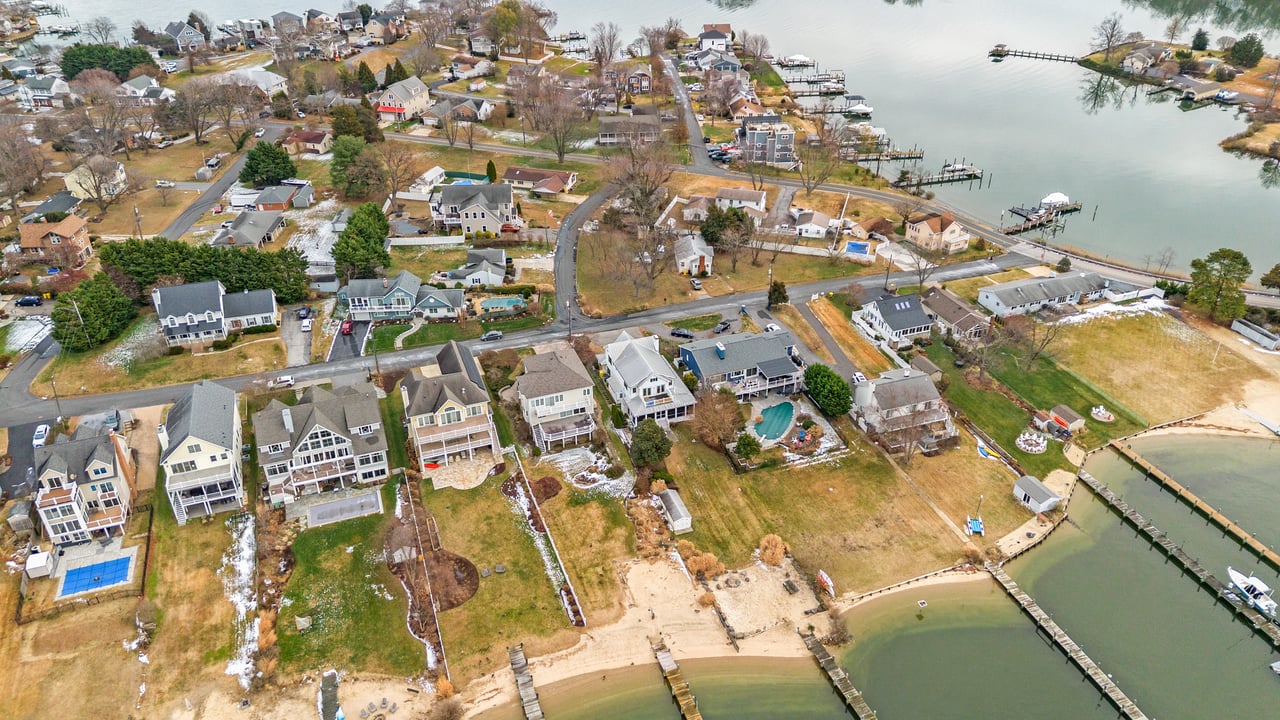
If you are selling an estate home in Crownsville, you are not just putting a property on the market. You are making pricing, presentation, disclosure, and timing decisions that can have a big impact on your result. In a smaller premium market where each sale carries more weight, a thoughtful plan matters. Here is how to move from preparation to closing with more clarity and confidence.
Crownsville Market Snapshot
Crownsville is behaving like a premium submarket within Anne Arundel County. Redfin reported a median sale price of about $1.299 million in May 2026, with median days on market around 22 and a 100.6% sale-to-list ratio.
By comparison, Anne Arundel County overall was about $521,000 with 28 median days on market and a 100.4% sale-to-list ratio. That gap shows why estate homes in Crownsville need a more tailored strategy than a one-size-fits-all county approach.
Another key detail is volume. Redfin showed only five homes sold in the Crownsville sample period, which means comparable sales can be limited. When comp sets are thin, pricing and positioning become even more important.
Prepare Before You List
A strong launch usually starts well before the home goes live. With estate-style properties, buyers often expect both visual appeal and a sense that the home has been cared for. That does not mean renovating everything, but it does mean being selective and strategic.
The best prep plans focus on the areas buyers notice first, address obvious condition issues, and gather the records that may come up during due diligence. This is especially helpful for larger homes, older homes, and properties with acreage, outbuildings, wells, or septic systems.
Focus on High-Impact Rooms
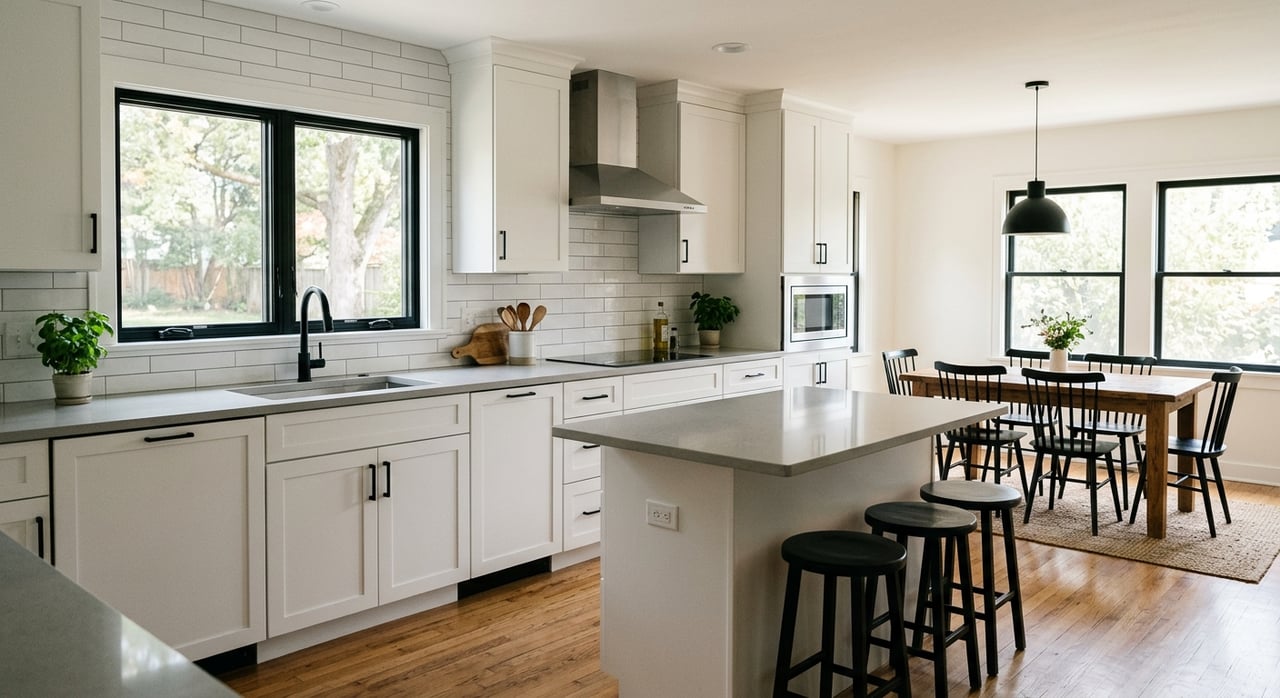
You do not have to stage every room to make a strong impression. According to NAR's 2025 staging research, living rooms, primary bedrooms, dining rooms, and kitchens are the most commonly staged spaces, and buyers' agents rated the living room and primary bedroom as especially important.
That is useful for Crownsville estate sellers because these homes often have more square footage than the average buyer needs to see fully styled. A selective approach can create a polished first impression without overspending on spaces that matter less to the decision.
Handle Repairs Thoughtfully
Before listing, it helps to walk through the home with a practical eye. Look for items that can distract buyers, delay negotiations, or raise avoidable questions during inspections. Cosmetic touch-ups, deferred maintenance, and clearly visible repair needs often deserve attention first.
For estate homes, small issues can feel larger because buyers may assume visible wear points to hidden maintenance. The goal is not perfection. The goal is reducing friction and giving buyers more confidence in the property.
Gather Records Early
If your property has a well or septic system, start early. Maryland requires licensed property transfer inspectors for septic transfer inspections, and the inspection process may involve a file search, occupant interview, site and system evaluation, and a report.
Because those reviews can depend on historical information, it is smart to gather pump receipts, permits, repair records, and prior well or water treatment paperwork before listing. Having that material ready can make the process smoother once you are under contract.
Understand Maryland Disclosure Rules
Maryland's residential property disclosure law applies to single-family residential real property improved by four or fewer single-family units. In most standard sales, you must provide either a disclosure statement or a disclaimer statement.
A disclaimer statement is often thought of as an as-is option, but it does not remove all disclosure duties. Maryland law still requires disclosure of known latent defects that are not reasonably observable and that pose a direct threat to health or safety.
The statute also says you are not required to conduct an independent inspection in order to make disclosures. Still, accuracy matters, especially with estate-style homes where systems, additions, land use questions, or older materials may be part of the conversation.
What the Disclosure Form Covers
Maryland's form covers a wide range of topics that often matter in larger or older homes, including:
- Water and sewer systems
- Structural systems
- Plumbing
- Electrical systems
- Heating and air conditioning
- Wood-destroying insects
- Land-use matters
- Hazardous materials such as asbestos, lead-based paint, radon, underground storage tanks, and licensed landfills
- Smoke alarms and carbon monoxide alarms
If the home was built before 1978, federal law also requires lead-based paint disclosure and the EPA/HUD lead information pamphlet before the buyer signs the contract.
When Estate Sales May Differ
If the transfer is a true fiduciary sale in the administration of a decedent's estate, Maryland's standard disclosure requirements do not apply. The same exemption also applies to certain other transfer types named in the statute.
This is one reason estate-property sales should be organized carefully from the start. The exact nature of the sale can affect what paperwork is required and how the transaction is handled.
Market a Crownsville Estate Home Well
Premium homes usually need more than a basic listing launch. NAR's 2025 research found that most buyers purchased through an agent or broker, and most sellers also used an agent, with marketing reach and pricing guidance among the top reasons.
That matters in Crownsville because the buyer pool for estate homes is often narrower than for a more typical suburban home. Your marketing has to do two jobs at once: create a strong first impression online and reach the right buyer network beyond the immediate area.
Make the Digital First Impression Count
NAR data shows that many buyers found the home they purchased on the internet. For a unique property, the digital listing often acts like the first showing.
That means polished photography, a clean visual presentation, and clear property storytelling matter. Buyers should quickly understand the home's scale, layout, setting, and standout features without feeling overwhelmed or confused.
Reach Beyond Nearby Buyers
Because Crownsville had only a small number of recent sales in the sample period, the next buyer may not come from just around the corner. Wider exposure can be especially important for estate properties, luxury homes, and homes with unique features.
This is where a coordinated listing strategy can help. Instead of relying only on a simple MLS entry or an open-house-only plan, a broader approach can position the property in front of serious buyers and the agents who represent them.
Price With Precision
Pricing an estate home is rarely as simple as pulling a few nearby sales and splitting the difference. In Crownsville, limited recent sales can make valuation less straightforward, especially when homes vary in acreage, condition, updates, outbuildings, or architectural style.
That is why pricing should balance current market data with the specifics of your home. Overpricing can cause a slower start, while underpricing can leave money on the table. In a premium market, the first pricing decision is often one of the most important decisions you make.
Navigate Negotiations and Closing Costs
Once offers come in, the conversation usually shifts from marketing to terms. Price matters, but so do timing, contingencies, property condition discussions, and settlement logistics.
For estate homes, buyers may ask more detailed questions about systems, title history, inspections, or prior improvements. A well-prepared seller is in a better position to respond clearly and keep the transaction moving.
Know the Typical Tax Framework
Maryland law generally presumes that recordation tax and state or local transfer tax are shared equally between seller and buyer unless the contract says otherwise. That does not mean every deal is split the same way, but it provides the default framework.
In Anne Arundel County, the recordation tax is $7 per $1,000 of consideration. The county transfer tax is 1.0% up to $999,999.99 and 1.5% at $1,000,000 or more, and Maryland's state transfer tax is 0.5% of consideration. Maryland Courts also notes a $40 surcharge on recordable instruments.
On a $1.3 million sale, those items total roughly $35,140 before other settlement fees and any contract-specific allocation. That is a meaningful number, so it helps to understand it early rather than be surprised near closing.
Clear Title Issues Early
Maryland Courts advises that property transfers can be complicated, liens can be hard to find, and there may be tax consequences. They recommend involving a Maryland lawyer or title company and searching for liens before transferring property.
That is especially relevant for estate homes. Older title history, prior financing, outbuildings, or unresolved paperwork can create last-minute issues if they are not identified early.
What a Smooth Sale Usually Looks Like
The smoothest Crownsville estate sales are usually the ones that feel organized from day one. That means preparing the property, gathering records, understanding disclosures, pricing carefully, and planning ahead for inspections and settlement.
It also means having the right support around you. For many sellers, the real value is not just getting the home listed. It is having a calm, structured process that reduces surprises and keeps each step moving toward closing.
If you are preparing to sell an estate home in Crownsville, working with a team that understands luxury positioning, local market nuance, and contract-to-close coordination can make the process feel far more manageable. When you are ready for a clear plan and steady guidance, connect with David Orso.
FAQs
What makes selling a Crownsville estate home different from selling a typical home?
- Crownsville is a premium submarket with limited recent sales data, so pricing, presentation, and targeted marketing often matter more than they do in a larger, more uniform market.
Do you need to stage every room in a Crownsville estate home?
- No. NAR's 2025 staging research suggests focusing first on high-impact spaces like the living room, primary bedroom, dining room, and kitchen.
Can you sell a Crownsville home as-is in Maryland?
- Yes, but a Maryland disclaimer statement still requires disclosure of known latent defects that are not readily observable and that pose a direct threat to health or safety.
What should you do early if your Crownsville property has a well or septic system?
- Start gathering records and schedule transfer-related inspections or testing early, since septic transfer inspections and private well review can require historical information and coordination.
What taxes should sellers expect in an Anne Arundel County closing?
- Anne Arundel County recordation tax is $7 per $1,000 of consideration, the county transfer tax is 1.0% up to $999,999.99 and 1.5% at $1,000,000 or more, and Maryland's state transfer tax is 0.5%, subject to contract-specific allocation and other settlement costs.
Are standard Maryland disclosure rules the same for every estate-property sale?
- No. Maryland's standard disclosure requirements do not apply to certain exempt transfers, including a true fiduciary transfer in the administration of a decedent's estate.