A listing agent writes "water privileged community" in the description and most buyers read it as one thing: a boat slip is coming with the house. On the Broadneck Peninsula in Arnold, that assumption gets tested every time a contract lands on three of its best-known neighborhoods. Cape St. Claire, Twin Harbors, and Shore Acres all carry the water privileged label. Each one attaches a different set of rules, costs, and waiting periods to that word, and the differences only surface once you start reading governing documents instead of listing copy.
That gap between the phrase and the paperwork is where buyers get surprised, usually after they've already waived a contingency.
Three Communities, Three Very Different Rulebooks
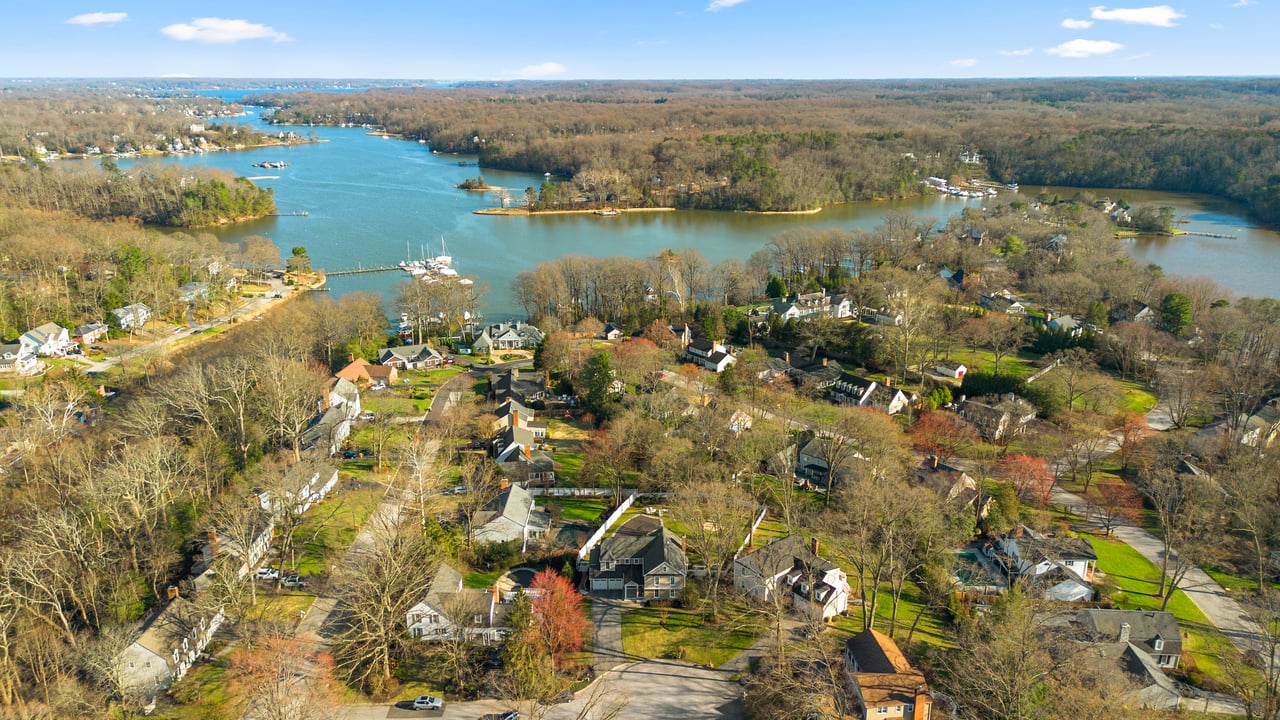
Cape St. Claire is the largest of the three by a wide margin. The community counts more than 2,300 single-family homes according to its own association, all governed by the Cape St. Claire Improvement Association, known locally as CSCIA. Twin Harbors, also on the Magothy River, is a fraction of that size at 138 homes, incorporated by its own residents in the 1960s. Shore Acres, on the Magothy and Deep Creek, has never adopted the kind of mandatory covenant structure the other two rely on.
Here is what that looks like when you line the three up side by side:
| Community | Approx. homes | Governing structure | Mandatory fee | Boat access |
|---|---|---|---|---|
| Cape St. Claire | 2,300+ | Special Community Benefits District, administered by CSCIA | Yes, billed through county property tax | Slip waitlist, fewer than 220 slips total |
| Twin Harbors | 138 | Incorporated community association (Twin Harbors Community Association) | Yes, association dues | Member-built and maintained piers |
| Shore Acres | Unlisted, smaller enclave | Voluntary improvement association | No mandatory fee | Community beach and boat ramp, volunteer-maintained |
The label on the listing sheet doesn't distinguish between these. The deed, the bylaws, and the association's own newsletter do.
The Fee That Doesn't Look Like a Fee
Cape St. Claire's arrangement is the one most likely to trip up a buyer doing quick math on affordability. In 1989, Anne Arundel County approved the formation of a Special Community Benefits District for Cape St. Claire, a legal taxing mechanism that lets the community collect its assessment through the county property tax bill rather than through a separate monthly HOA invoice. The base annual assessment recorded in CSCIA's bylaws is ten dollars. In practice, the real number is higher, because the SCBD portion gets raised through membership votes almost every year. A five dollar increase to the SCBD fee went before members at the January 2022 annual meeting, and CSCIA's own newsletter later confirmed a further ten dollar increase passed alongside the fiscal year 2024 budget.
None of that shows up if you filter listings for "no HOA" or ask a title company whether there's a monthly dues line item. It shows up on the property tax bill, folded in with everything else the county collects. A buyer comparing Cape St. Claire to a neighboring subdivision on carrying cost alone is comparing two numbers that were never calculated the same way.
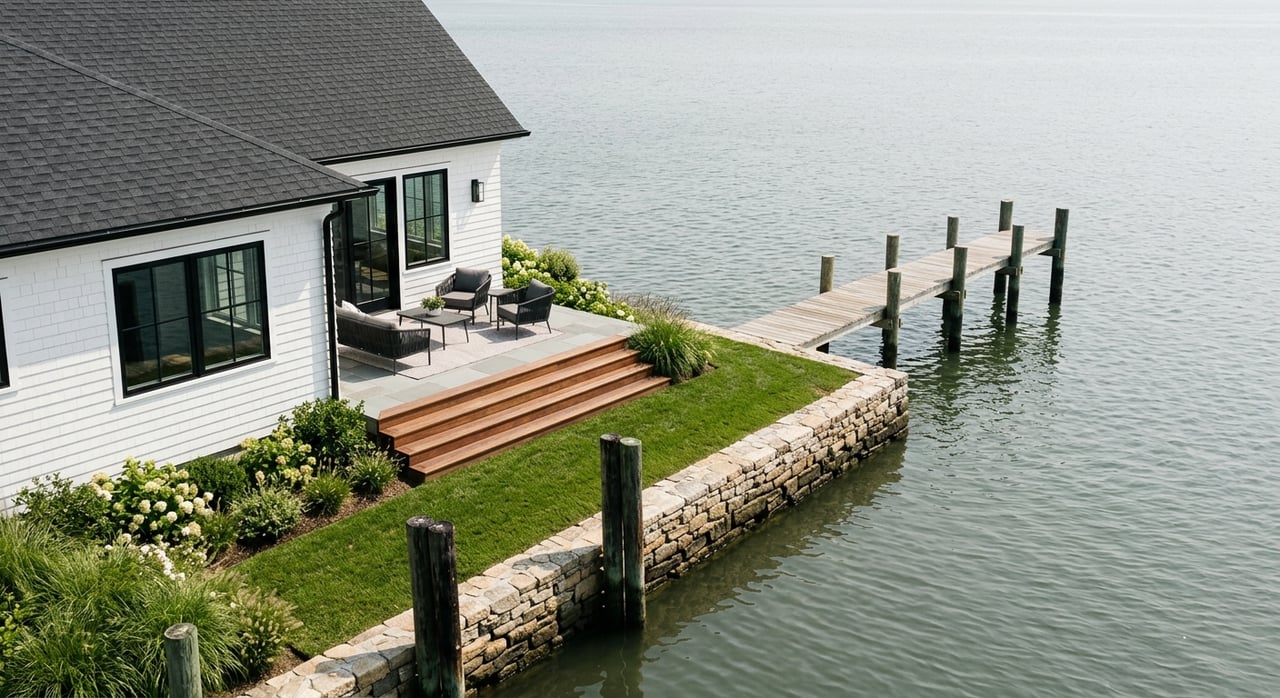
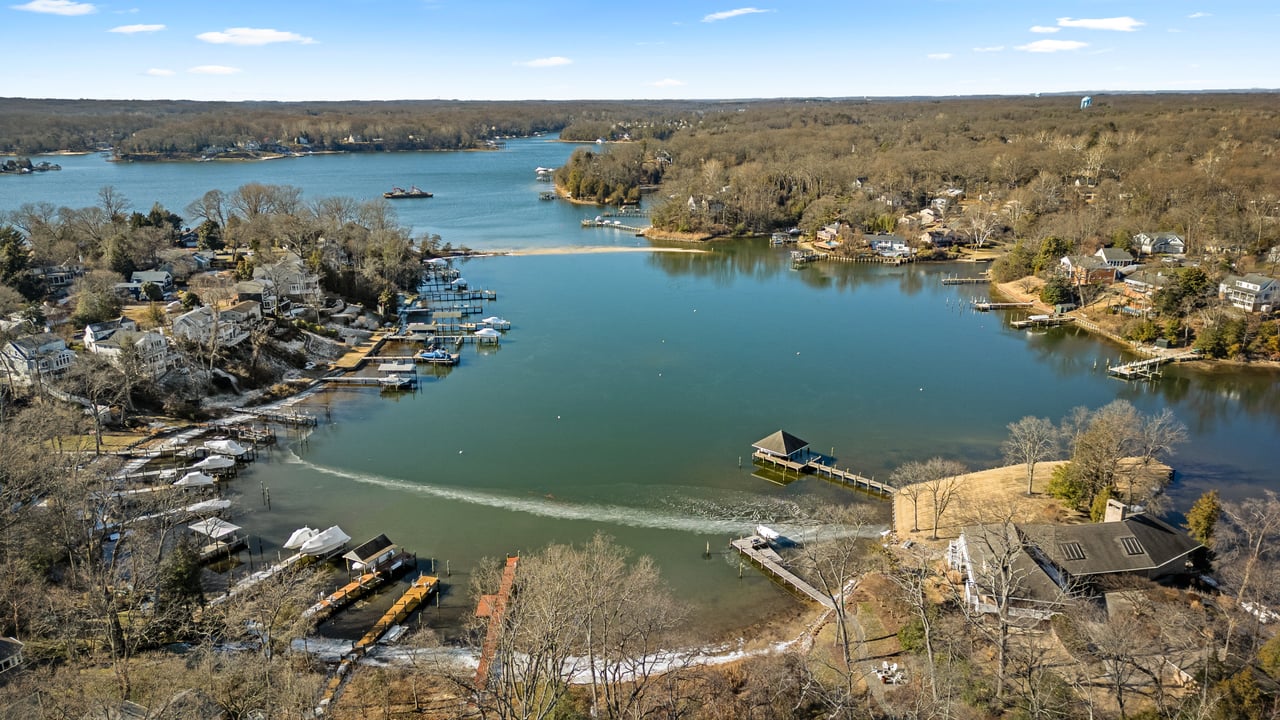
Twin Harbors runs closer to what most buyers expect from an HOA: a member-funded association with its own dues structure supporting shared infrastructure. When the community needed to replace its piers with floating docks in 2012, it happened through resident labor rather than a contractor invoice. Residents Bob DeYoung and Patrick Welsh handled design, and volunteers across the community logged more than 200 hours each building the replacement. That's a different financial and civic commitment than paying a line item on a tax bill, and it's worth understanding before you assume the pier will always look the way it does in the listing photos.
Shore Acres asks for neither. Its association has no covenant requiring fees, and the community beach and boat ramp on the Magothy have been maintained through what the Shore Acres Improvement Association describes as the spirit of volunteerism. That sounds appealing until you consider the flip side: nothing in that arrangement legally obligates anyone to keep maintaining it. Access here is a function of neighbors choosing to show up, not a recorded easement that survives a change in leadership.
The Waitlist Problem Most Buyers Never Ask About
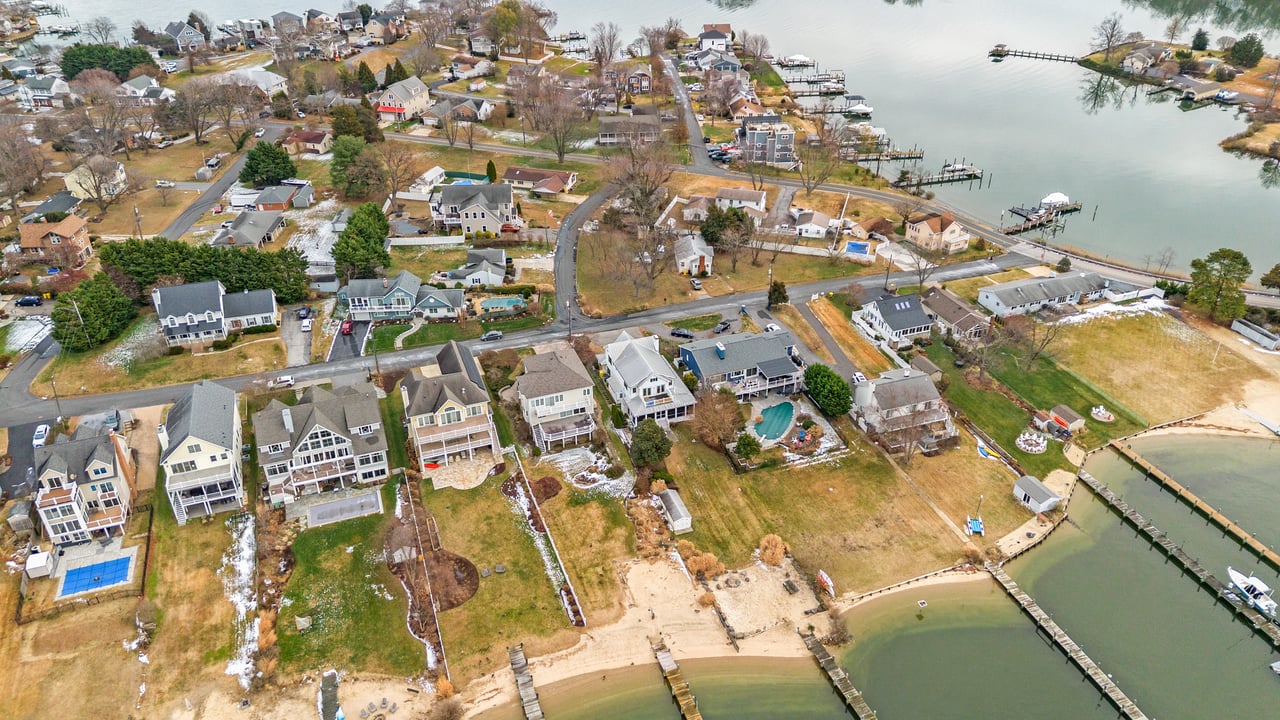
Even inside Cape St. Claire, "water privileged" doesn't automatically mean a boat slip. The community maintains fewer than 220 slips across more than 2,300 homes, all managed through a formal waitlist system run by the Piers Committee. Position on the list is set by the date a written request was received, and the rules are specific: a property owner, a tenant, and any household member combined can lease only one slip until everyone ahead of them on the list has been accommodated. To lease a slip at all, you have to be the titled and registered owner of the boat going into it, and you have to prove that ownership within five days if the committee asks.
That waitlist is exactly why a buyer touring a Cape St. Claire home with private-dock photos in the listing should ask a direct question before writing an offer: does this specific property come with an assigned slip, or is the buyer inheriting a spot on a list with an unknown number of names ahead of them? Those are two very different purchases wearing the same marketing language.
What does come without a wait is the community's fishing and crabbing pier at Lake Claire Park, open to members without a slip assignment. Crabbing from the community boat slip piers themselves isn't allowed at all, only from a boat already docked in a leased slip. If shoreline access rather than a private slip is the goal, that distinction matters more than the phrase "water privileged" on its own ever will.
The physical footprint of these amenities isn't fixed either. CSCIA's own newsletters have referenced a proposal for a Fairwinds Marina redevelopment that would bring 30 to 50 townhomes to that site, and a Deep Creek pier project was described as nearing completion in the association's spring 2026 update. Marinas and piers in these communities change over time just like any other shared infrastructure. What's true at closing is worth confirming again before you rely on it long term.
What to Verify Before You Waive a Contingency
The county's broader housing numbers make this diligence more urgent, not less. As of August 21, 2026, active listings across Anne Arundel County had climbed to 1,279, up 22.9 percent from the same point in 2025, giving buyers more room to ask questions before committing. At the same time, closed sales in July 2026 carried a median price of $551,000 across 762 transactions, up 9.1 percent year over year, and homes currently under contract were moving at a median of just 14 days. Inventory is loosening. Price and speed for well-positioned listings are not. That combination rewards buyers who do their homework early rather than racing to remove contingencies on a home they haven't fully understood.
Before you do that on a water privileged listing in Arnold, get answers to a short list of questions:
- Is the mandatory fee, if there is one, billed as an HOA invoice or folded into the county property tax bill through a benefits district?
- Is there an assigned boat slip attached to this specific property, or is access dependent on a waitlist, and if so, roughly how many names are ahead of it?
- Is the water access right recorded in the deed or covenants, or does it depend on an association continuing to exist and maintain it voluntarily?
- Has the community discussed any redevelopment, marina changes, or infrastructure projects in recent meeting minutes or newsletters?
Your title company can confirm the recorded covenants. The community association, whichever one governs the property, can confirm the fee structure and current waitlist position. Both of those conversations are worth having before the inspection contingency deadline, not after.
A Few Questions Worth Settling First
Does every home in a water privileged community come with a boat slip? Not necessarily. In Cape St. Claire, slips are assigned through a waitlist separate from home purchase, and the community has far fewer slips than homes. Confirm whether a specific listing includes an assigned slip or simply community eligibility to apply for one.
Do these fees show up as a monthly mortgage payment? Not usually. Cape St. Claire's Special Community Benefits District fee is collected through the county property tax bill, which typically gets folded into an escrow payment rather than appearing as a separate HOA line item. Ask your lender to confirm how the specific community's assessment will be reflected in your monthly payment estimate.
Can I find this information before making an offer? Yes. Governing documents, bylaws, and recent meeting minutes are public within most of these associations, and a seller is generally required to provide relevant disclosures and association documents as part of a Maryland real estate transaction. Ask for them early rather than waiting until under contract.
Water privileged communities remain some of the most requested addresses on the Broadneck Peninsula for good reason. The Chesapeake access, the walkable shoreline, and the sense of a settled, self-governing neighborhood are real. What varies is how each community turns that access into something enforceable, and that variation is exactly the kind of detail worth getting right before you commit.
If you're weighing a purchase in one of Arnold's water privileged communities and want a clear read on what a specific property actually includes, the ORSO. Team can walk through the governing documents, the fee structure, and the current waitlist position with you before you write an offer. Contact us to get started.