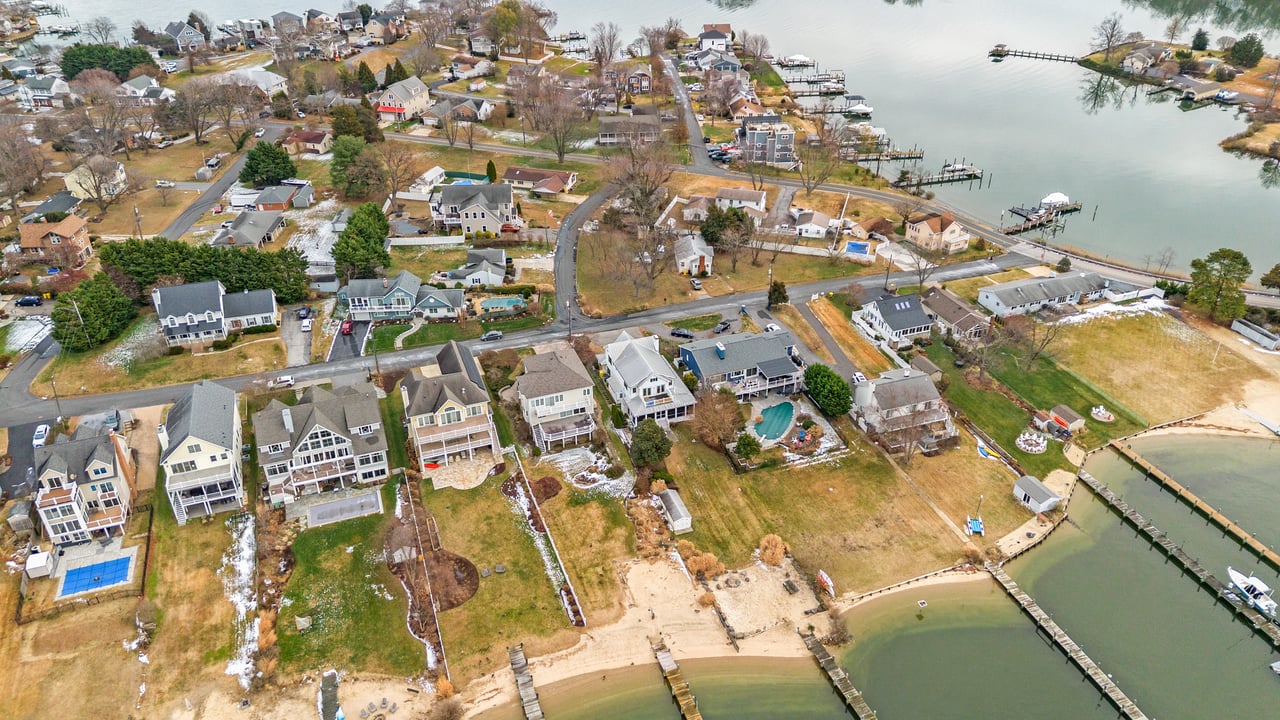
If you are trying to decide whether Pasadena is the right place to buy your first home or a long-term rental, you are not alone. Many buyers want a market that feels more attainable than the region’s highest-priced areas, but still offers real resale and rental potential. The good news is that Pasadena gives you options, as long as you go in with a clear plan, a realistic budget, and strong local guidance. Let’s dive in.
Pasadena offers two different paths
Pasadena can work for both starter-home buyers and small investors, but the way you evaluate a property should change based on your goal. If you plan to live in the home, your monthly payment, long-term comfort, and future resale matter most. If you plan to rent it out, you need to focus on carrying costs, upkeep, and realistic rent performance.
The numbers show why Pasadena draws attention from both groups. As of May 31, 2026, Zillow reports an average home value of $462,498 and a median sale price of $427,333. Redfin’s three-month snapshot through May 2026 shows a median sale price of $448,144, about 31 days on market, and an average of 4 offers per home.
That mix tells you something important. Pasadena is active, but it is not one flat, predictable market. You need to look at the specific home, the specific area, and the specific numbers behind your decision.
Pasadena is not one price point
One of the biggest mistakes buyers make is treating Pasadena like a single market. It is better understood as a group of submarkets with different value ranges, housing types, and condition levels. That matters whether you are buying your first home or trying to make an investment property pencil out.
Zillow shows neighborhood values ranging from about $391,544 in Riviera Beach to $517,528 in Lake Shore. That is a meaningful spread for one town. A home that looks affordable on paper may need more updates, while a higher-priced property may offer a different maintenance profile or stronger long-term fit.
This is where neighborhood-level comps become critical. In Pasadena, pricing strategy should be tied to the exact section of town, not just the ZIP code.
What starter-home buyers should know
If you are buying your first home in Pasadena, the local price range may still be more approachable than some nearby markets, but you should be prepared for competition. Zillow says homes are going pending in about 7 days, while Redfin reports an average of 4 offers per home. That means good homes can move fast.
At the same time, Redfin’s reported 31 days on market suggests not every listing is flying off the shelf. Some homes may sit longer because of condition, pricing, or location within Pasadena. For a first-time buyer, that can create opportunity if you know how to separate a fixable issue from a costly one.
Pasadena is also heavily owner-occupied. The Census Bureau five-year estimate shows an 83.7% owner-occupied rate, with a median owner-occupied value of $423,400. That owner-occupant base can support long-term neighborhood stability, but it also means many homes were bought to live in, not to turn over quickly.
What investment buyers should know
If you are considering a rental property, Pasadena can make sense as a long-term hold market, but only if you underwrite carefully. Zillow lists average rent at $2,561, and the Census Bureau shows median gross rent of $2,393. Those figures place local rents in the mid-$2,000s.
Using Zillow’s average rent against Zillow’s average home value produces a rough gross rent-to-price ratio of about 6.6% before taxes, maintenance, vacancy, financing, and capital expenses. That is not a cap rate, and it should not be used as one. It is simply a starting point for analysis.
The practical takeaway is simple: do not buy based on headline rent alone. In Pasadena, your margin can change quickly once you factor in repairs, tax costs, insurance, and downtime between tenants.
Compare Pasadena property types carefully
In Pasadena, buyers are usually choosing among detached homes, townhomes, and a smaller attached-housing segment such as condos or co-ops. Redfin tracks the market across those home types, which reflects how buyers often shop in real life. If your budget is tight, comparing across categories can open up better options.
A detached home may offer more privacy, yard space, or future flexibility, but it can also bring higher maintenance costs. A townhome may lower your entry price and reduce some exterior upkeep, depending on the setup. Attached housing may create a more affordable path into ownership, but you need to understand the full monthly cost structure.
For investors, property type affects maintenance planning just as much as purchase price. For first-time buyers, it affects both lifestyle and monthly payment. The right choice depends on your budget, risk tolerance, and how long you expect to keep the property.
Budget beyond the sale price
Purchase price is only part of the equation. One of the clearest local expenses to estimate is property tax. Anne Arundel County’s FY2026 real property tax rate is 1.089 per $100 of assessment.
Using Pasadena’s recent median sale price of $427,333, that works out to about $4,654 per year, or roughly $388 per month, before credits and other bill items. For many buyers, that is a meaningful part of the monthly payment. It should be built into your budget from day one.
If you are buying a starter home as your primary residence, Maryland’s homestead property tax credit may help limit future taxable assessment increases on the property you actually occupy as your principal residence. That can be helpful for an owner-occupant. It generally does not apply the same way to a pure investment property.
Inspect systems, not just finishes
Fresh paint and updated countertops are easy to notice. Roof age, electrical condition, HVAC performance, and structural issues are what can really change your budget. CFPB recommends scheduling an independent home inspection as soon as possible so there is time to resolve problems, negotiate repairs, or cancel if the inspection is unsatisfactory.
That timing matters in Pasadena, especially if you are considering an older home or a property that appears priced below the surrounding market. A lower price can be an opportunity, but it can also be a warning sign. Your inspection period is where you turn uncertainty into facts.
CFPB also notes that inspections are often used to evaluate structural and mechanical systems such as heating, ventilation, air conditioning, and electrical. For both starter buyers and investors, that kind of information is often more valuable than cosmetic appeal.
Older Pasadena homes need extra checks
Some older homes need an additional level of due diligence. Anne Arundel County says unknown water service lines are typically found at older homes built before 1937. That means you should not assume the service-line material based on age, seller memory, or listing remarks.
Instead, check the county inventory during your due diligence. It is a small step that can help you avoid surprises later. This is especially important if you are comparing multiple older properties and trying to estimate future repair exposure.
If the property uses private onsite sewage disposal, county requirements also matter. Anne Arundel County requires a perc-test application for properties served or proposed to be served by a private onsite sewage system, and it requires a septic installation permit for any onsite sewage disposal system.
Flood and shoreline risks matter in Pasadena
Because Pasadena includes areas near tidal waters and tributary streams, flood and shoreline issues deserve close attention. Anne Arundel County says flooding is the county’s most common natural hazard. The county also says its Critical Area Buffer is 100 feet landward from tidal waters and tributary streams.
That does not mean every Pasadena property has the same risk profile. It means you should verify the details for the specific property you are considering. Lot location, elevation, flood zone status, and improvement limitations can all affect your decision.
FEMA says properties in high-risk A or V flood zones with federally backed mortgages must buy flood insurance. Whether you are buying a starter home for yourself or a rental for long-term income, that potential cost should be part of your analysis before you write the offer, not after.
Rental rules every investor should know
If your plan is to buy and hold as a rental, Maryland landlord-tenant rules should be part of your upfront review. According to the Maryland Attorney General’s office, residential security deposits are capped at one month’s rent for deposits paid on or after October 1, 2024. Late fees cannot exceed 5% of rent owed.
The Attorney General’s office also says written leases are strongly recommended and required for tenancies of one year or longer and for landlords owning five or more rental units. Beginning July 1, 2025, Maryland also requires landlords to attach the current Tenants Bill of Rights to leases.
If you ever consider a short-term rental strategy instead of a traditional long-term lease, make sure you understand the local county rules first. Anne Arundel County defines a short-term residential rental as a stay of no more than 120 consecutive days in a calendar year and requires county registration.
How to choose the right Pasadena purchase
The best Pasadena purchase is not always the cheapest home or the one with the highest advertised rent. It is the property that fits your real budget, your timeline, and your tolerance for repair risk. Good buying decisions usually come from careful comparison, not from rushing toward a headline number.
A strong approach usually includes a few simple steps:
- Compare values by Pasadena submarket, not just by town name
- Look at detached homes, townhomes, and attached options side by side
- Estimate property taxes before you set your maximum budget
- Stress-test maintenance, vacancy, and repair costs if you are buying an investment property
- Schedule inspections early enough to negotiate or walk away if needed
- Check flood, service-line, and septic-related issues when they apply
In a market like Pasadena, preparation is often your biggest advantage. The more clearly you understand the property before you buy, the more confident your next move becomes.
Whether you are buying your first home or looking for a long-term rental opportunity, local strategy matters. If you want clear guidance on Pasadena pricing, property selection, and smart next steps, connect with David Orso.
FAQs
What is the current home price range in Pasadena, MD?
- Pasadena is not one uniform price point. Zillow reports an average home value of $462,498 and a median sale price of $427,333 as of May 31, 2026, with neighborhood values ranging from about $391,544 in Riviera Beach to $517,528 in Lake Shore.
Is Pasadena, MD good for a starter home purchase?
- Pasadena can be a strong starter-home market if you want a mostly owner-occupied area with multiple housing types and submarket price points, but you should be ready for competition and budget carefully for taxes, inspections, and repairs.
Is Pasadena, MD a good place to buy a rental property?
- Pasadena can work for a long-term rental strategy because local rents are in the mid-$2,000s, but you should underwrite conservatively and account for taxes, maintenance, vacancy, insurance, and capital expenses rather than relying on headline rent alone.
What property taxes should buyers expect in Pasadena, MD?
- Anne Arundel County’s FY2026 real property tax rate is 1.089 per $100 of assessment. On a sale price of $427,333, that is roughly $4,654 per year, or about $388 per month, before credits and other bill items.
What inspections matter when buying a home in Pasadena, MD?
- Independent home inspections are important for evaluating structural and mechanical systems such as HVAC and electrical, and some Pasadena properties may also need added due diligence around older water service lines, flood risk, or septic-related issues.
What should rental property buyers know about Maryland lease rules?
- Maryland caps residential security deposits at one month’s rent for deposits paid on or after October 1, 2024, limits late fees to 5% of rent owed, strongly recommends written leases, requires them in certain cases, and requires the Tenants Bill of Rights to be attached to leases beginning July 1, 2025.