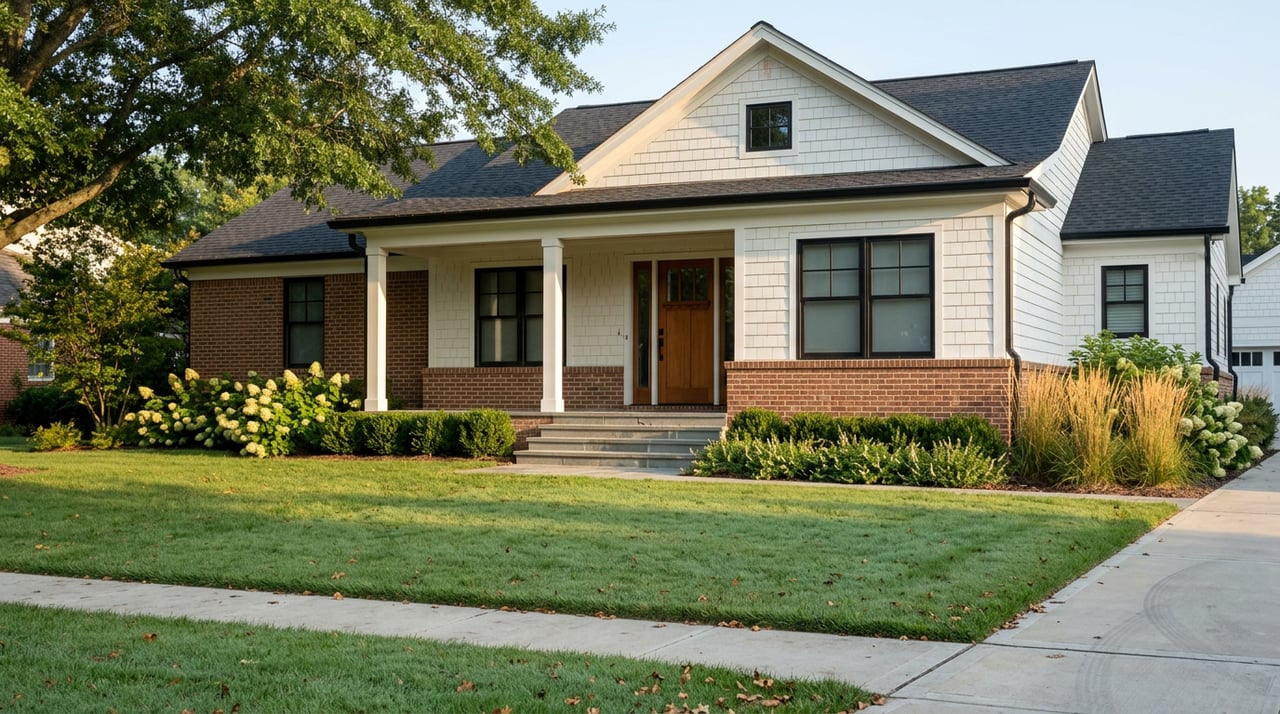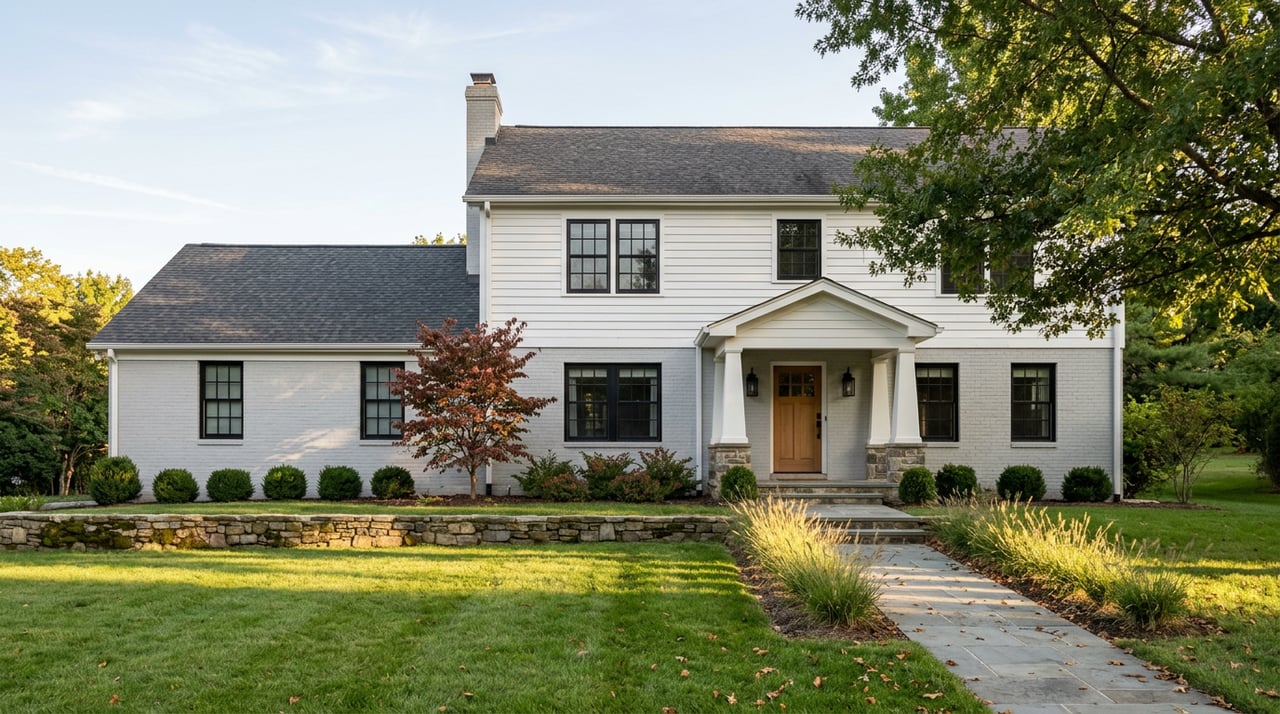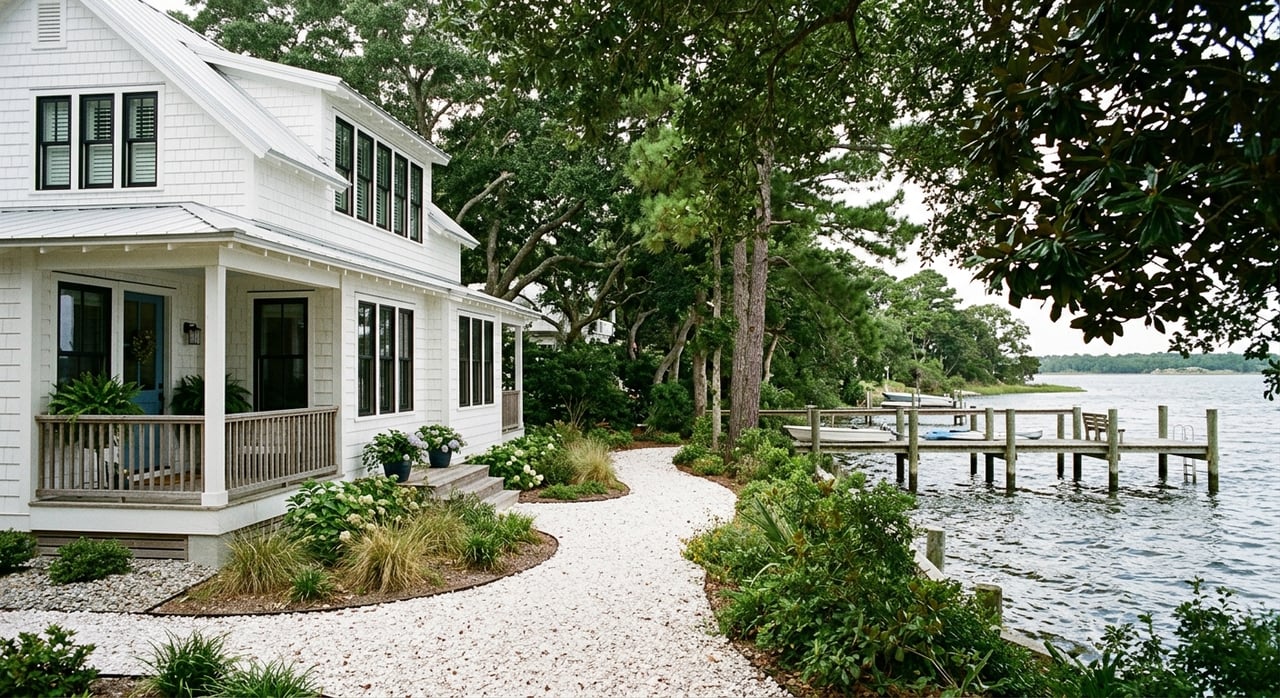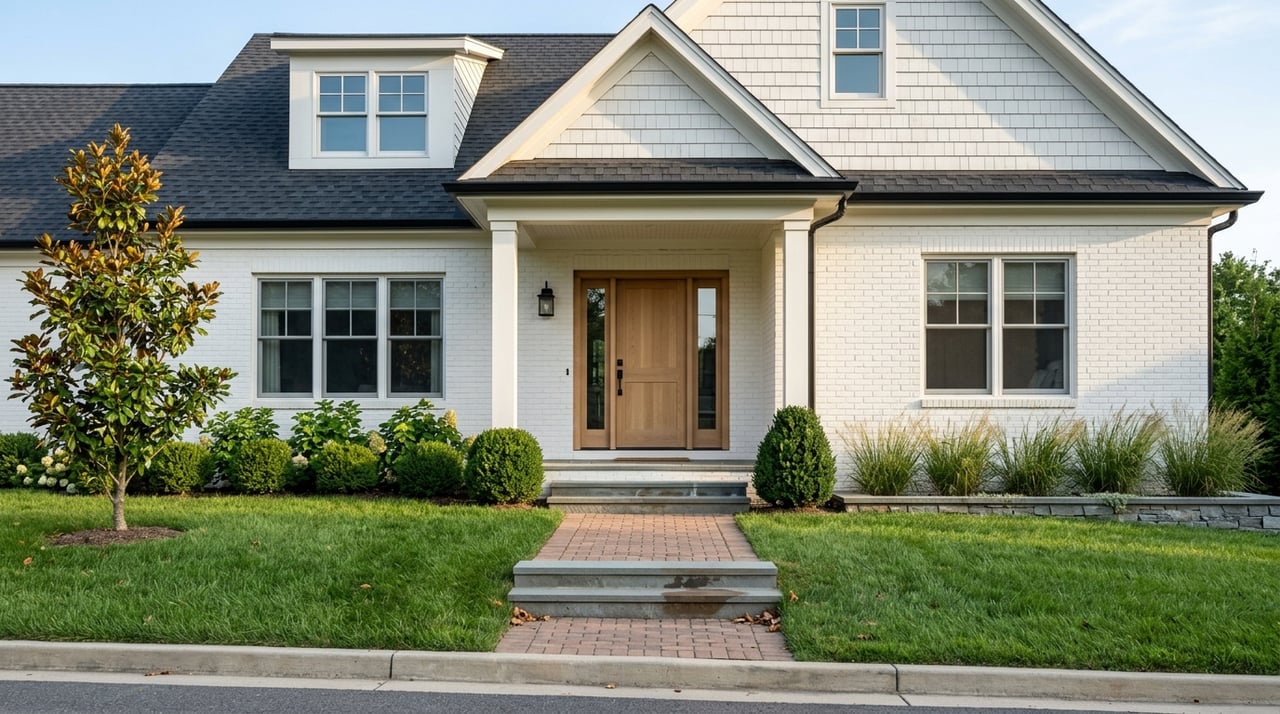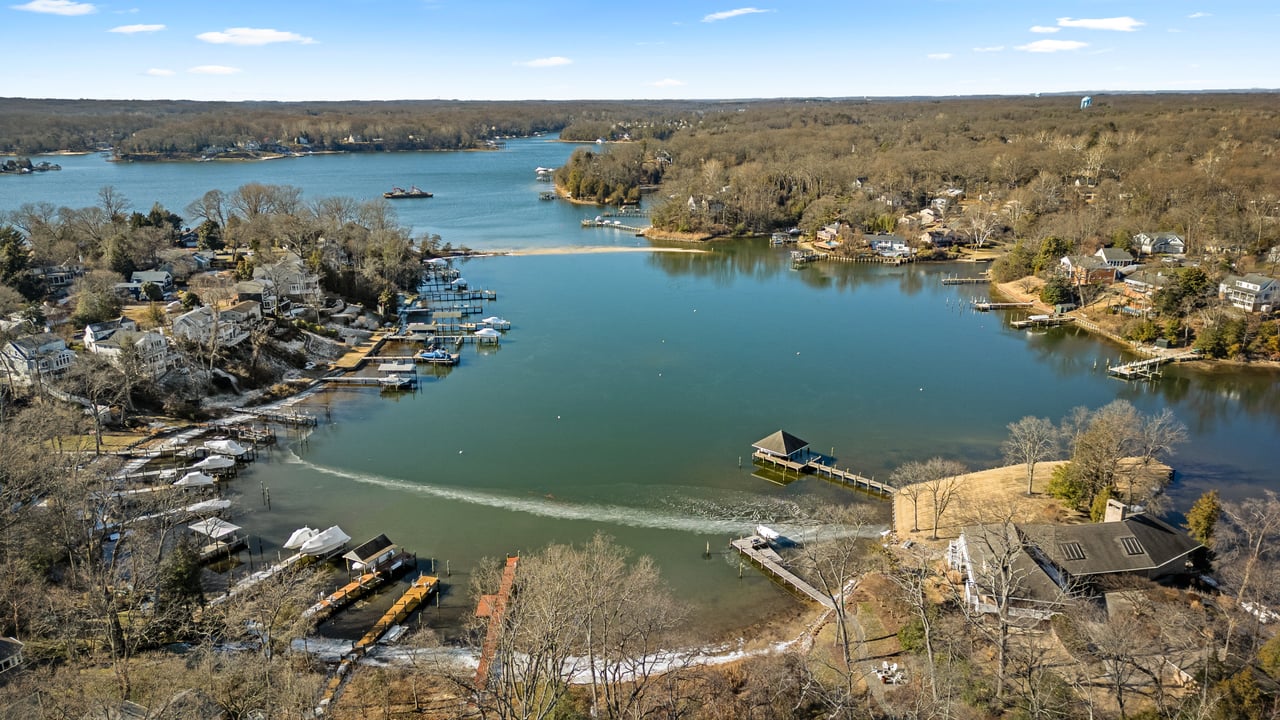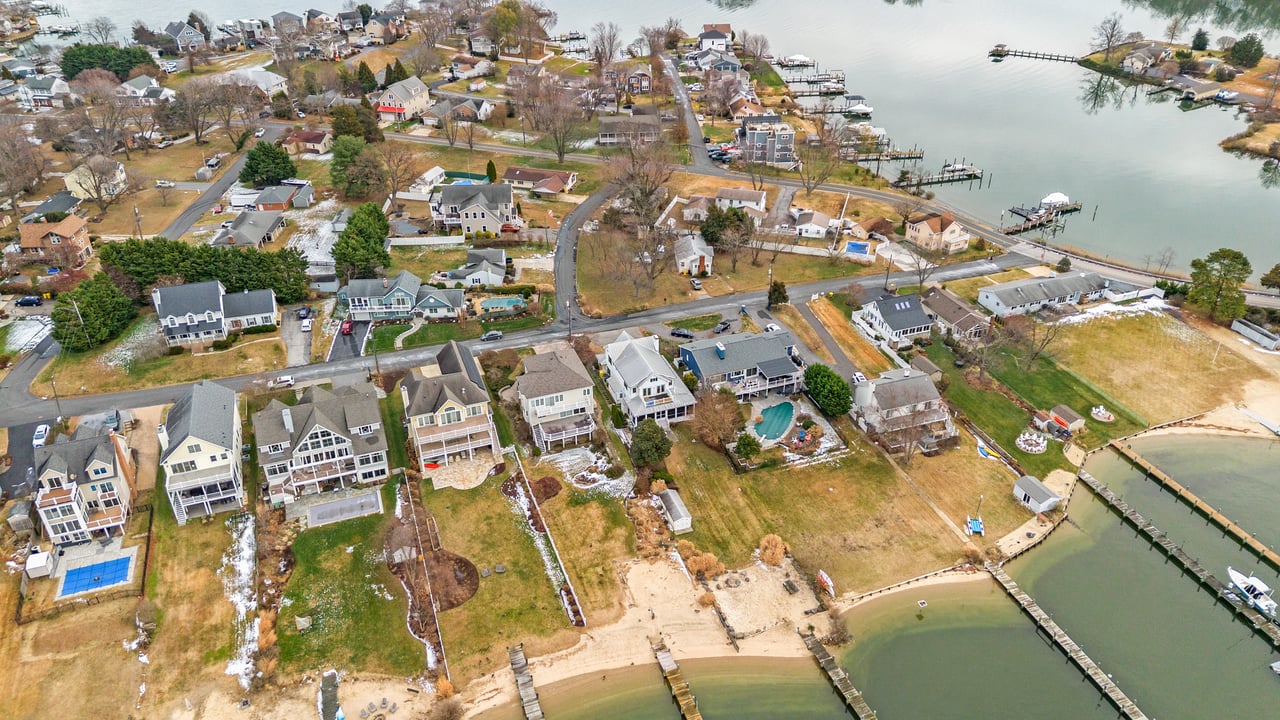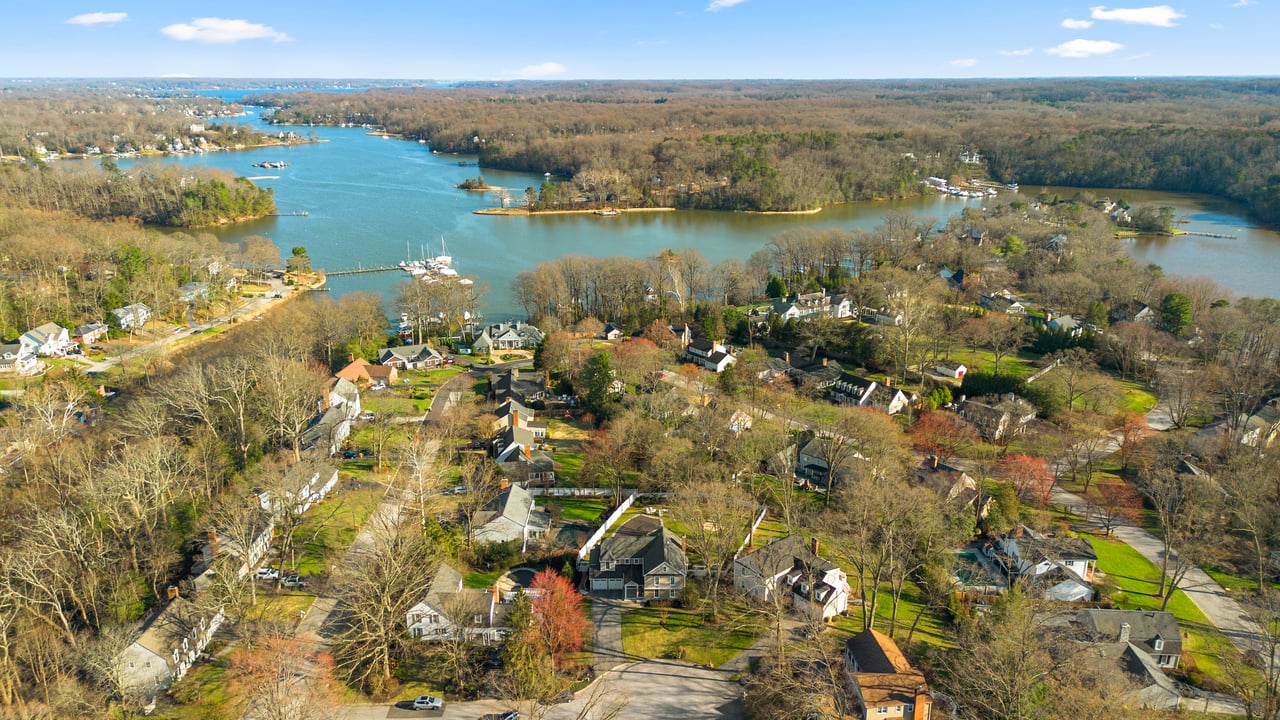
Wondering why one Annapolis home search feels charming and walkable while another feels more suburban, waterfront-focused, or budget-driven? That is because Annapolis is not one simple market. It is a collection of distinct neighborhood submarkets, each with a different mix of housing, price points, lifestyle tradeoffs, and day-to-day convenience. If you are trying to figure out where you fit best, this guide will help you compare today’s key Annapolis neighborhoods in a clear, practical way. Let’s dive in.
Annapolis Is Really Several Markets
If you look only at citywide pricing, Annapolis can seem straightforward. Redfin reported a median sale price of $597,000 for the three months ending May 2026, while Zillow’s home value estimate was about $630,139 in April 2026. But those broad numbers hide how much neighborhoods can differ from one another.
A city market study helps explain why. In its 2020 to 2021 sales sample, about 42% of Annapolis sales were single-family homes, 30.2% were townhomes, and 28.0% were condos. The same study found a familiar pattern: waterfront locations generally command higher prices, while more inland areas tend to be less expensive.
For buyers, that means your experience can change fast from one part of the city to another. A home search in Downtown Annapolis is not the same as a search in Bay Ridge, Eastport, or Tyler Heights-Primrose Acres. Price, lot size, walkability, parking, and housing style all shift depending on where you look.
Downtown Annapolis: Walkability and Historic Limits
Downtown Annapolis is the most iconic part of the city, but it is also one of the most specialized. The city describes the downtown core as a one-square-mile National Historic Landmark where historic homes, brick streets, boutiques, cafes, harbor activity, government offices, and major institutions all overlap. If you want to be in the middle of it all, this is usually the strongest fit.
That convenience comes with tradeoffs. The historic district uses a mix of residential, mixed-use, and conservation zoning, and the Historic Preservation Division reviews exterior changes within the district. Parking also works differently downtown, with Premium Parking managing the historic district rather than the system used in the rest of the city.
Pricing reflects that scarcity and location. Homes.com reported a median sale price of $1,075,000 over the last 12 months, with a median single-family sale price of $1.65 million and a median townhouse sale price of $875,000. In simple terms, Downtown Annapolis tends to offer the strongest pedestrian access and the least flexibility on parking and property changes.
Who Downtown Often Fits Best
Downtown can make sense if you want:
- Easy access to shops, restaurants, and the waterfront
- A highly walkable daily routine
- Historic housing character
- A central location close to major civic and cultural destinations
It may be a harder fit if you want:
- Easier parking
- Fewer property-related restrictions
- More yard space
- A lower entry price than the city’s most constrained core
Eastport: Close-In and Water-Oriented
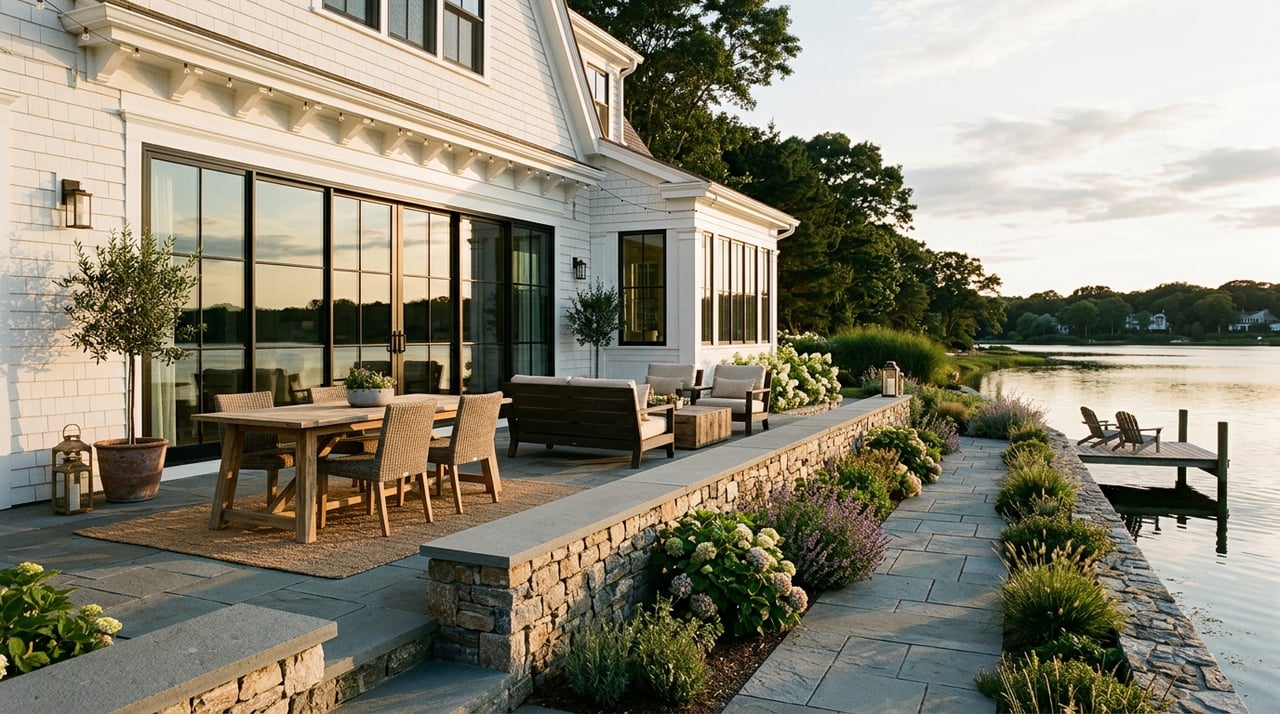
Eastport offers one of Annapolis’ most distinctive lifestyle blends. The city describes it as the maritime heart and soul of Annapolis, with homes mixed among marine businesses and a village center along Fourth Street. You are still close to downtown here, but the feel is more residential and less formal than the Historic District.
The area also has some variation within it. City transportation materials note that the area east of 6th Street has a denser historic grid and narrower lots, while the west side of the peninsula developed later with larger lots and a less connected street layout. That matters when you are comparing block-to-block feel, parking, lot size, and home style.
Homes.com reported Eastport’s median sale price at $797,000 over the last 12 months. From a practical buyer perspective, Eastport is often about staying close to the action while leaning into a more neighborhood-driven, water-oriented setting.
Why Buyers Gravitate to Eastport
Eastport often appeals to buyers who want:
- Strong walkability without being in the Historic District itself
- A residential setting close to downtown
- A maritime atmosphere
- Transit connections through Annapolis Transit’s Green and Brown routes
If your goal is to balance access and character, Eastport is often high on the shortlist.
West Annapolis: Village Feel Near the Core
West Annapolis is often the answer for buyers who want in-town convenience with a more village-like rhythm. The city describes it as a primary point of entry to Annapolis and a brisk walk to the city’s vital center. It also includes boutiques, antique stores, service businesses, and a large concentration of professional and healthcare offices nearby.
The housing stock adds to that appeal. Homes.com describes West Annapolis-Wardour as a mix of post-1940s Cape Cods, cottages, and more modern Traditional and Colonial-inspired homes. Its reported median sale price sits around $800,000 to $802,000, placing it in a similar range to Eastport and Admiral Heights.
For many buyers, West Annapolis feels like a practical middle ground. You can stay close to downtown without taking on all the parking and preservation constraints that often come with the Historic District.
What Stands Out About West Annapolis
West Annapolis is often a good fit if you value:
- A neighborhood-scaled setting
- Walkable errands and local businesses
- Close-in access to central Annapolis
- A price point below Downtown Annapolis, though still above the citywide median
Admiral Heights: Close-In With More Space
Admiral Heights offers a different type of close-in living. It is about 1.5 miles from the Historic District, but its feel is more residential and slightly more suburban than Downtown, Eastport, or West Annapolis. For buyers who want proximity without being in the middle of the historic core, that can be a meaningful advantage.
The community association describes Admiral Heights as a waterfront community with roughly 625 homes and amenities such as a boat club, pool, community docks and parks, and kayak and canoe storage. Neighborhoods.com says the area mostly features midsize attached and single-family homes, with a median sale price of $802,500.
Transportation is part of the story here too. Annapolis Transit’s Red Route serves Admiral Drive and Hilltop Lane, and the State Shuttle links Navy-Marine Corps Memorial Stadium to the Central Business District about every 20 minutes on weekdays. For some buyers, that combination of access and a more house-and-yard feel makes Admiral Heights a smart compromise.
Bay Ridge: Premium Waterfront Living
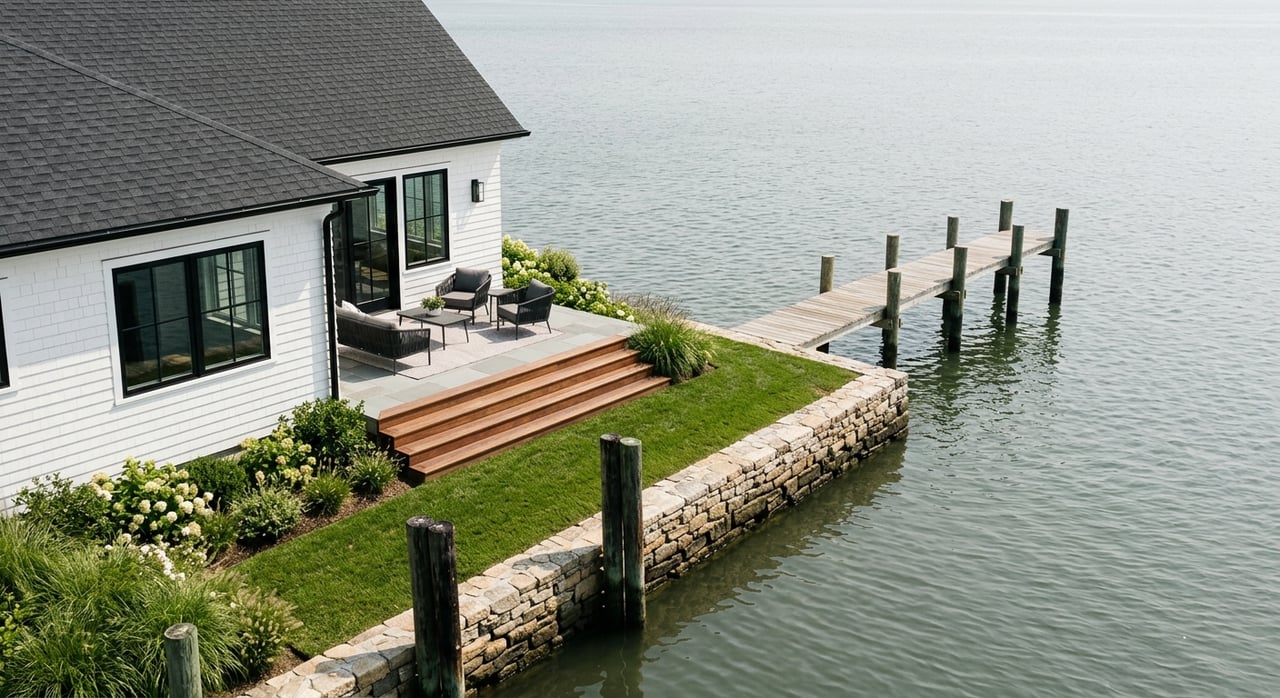
If your search is centered on water-oriented lifestyle and larger homes, Bay Ridge stands apart. It is one of the clearest premium waterfront examples in Annapolis. Redfin’s neighborhood page showed a median sale price of $1.29 million, which is well above the city median and above most in-town neighborhoods.
NeighborhoodScout describes Bay Ridge as a suburban coastal neighborhood with mostly medium to large single-family homes and small apartment buildings, many built between 1970 and 1999. Compared with Downtown or Eastport, Bay Ridge is generally less about daily walkability and more about home size, setting, and lifestyle.
For buyers, the main distinction is straightforward. Bay Ridge usually means paying more for a stronger waterfront or coastal-suburban experience. That lines up with the broader city market pattern, where waterfront homes tend to sit at the top of the pricing ladder.
Tyler Heights-Primrose Acres: More Attainable Inland Option
Not every buyer is trying to maximize walkability or water access. Some are focused on staying in Annapolis at a more approachable price point. That is where inland value pockets like Tyler Heights-Primrose Acres often enter the conversation.
Homes.com reports a median sale price of $393,000 for Tyler Heights-Primrose Acres, along with many attached dwellings and a median year built of 1977. Compared with the historic and waterfront submarkets, this area represents a more budget-conscious option within Annapolis.
That does not mean it is the right fit for everyone. But if your top priority is affordability relative to the rest of the city, this kind of inland neighborhood can expand your options.
A Simple Buyer Framework
When buyers compare Annapolis neighborhoods, it helps to sort them by what matters most in daily life. The city and neighborhood data suggest a practical framework rather than a one-size-fits-all answer.
Here is a simple way to think about it:
| Priority | Neighborhoods to Consider |
|---|---|
| Highest walkability | Downtown Annapolis, Eastport, West Annapolis |
| More residential close-in feel | Eastport, Admiral Heights, West Annapolis |
| Premium waterfront lifestyle | Bay Ridge |
| More attainable pricing | Tyler Heights-Primrose Acres |
| Historic setting | Downtown Annapolis, parts of Eastport |
This is not a formal city classification. It is a practical buyer lens based on neighborhood characteristics, pricing patterns, and transit and walkability differences described in the research.
How to Choose the Right Annapolis Neighborhood
The best neighborhood for you usually comes down to your personal tradeoffs. Most buyers are balancing four things at once: budget, location, home style, and daily lifestyle. The right answer is rarely the neighborhood with the most buzz. It is the one that fits how you actually want to live.
As you narrow your search, ask yourself:
- Do you want to walk to shops, restaurants, or the waterfront?
- How important are parking and ease of access?
- Would you rather have more historic character or more space?
- Is water-oriented living worth a higher price point for you?
- Do you want to prioritize staying in Annapolis at the lowest possible entry point?
Those questions can quickly separate a dream neighborhood from a practical one. They also help you avoid wasting time in areas that do not match your goals.
Annapolis rewards buyers who understand its submarkets early. One block, one peninsula, or one in-town corridor can change the entire feel of your move.
If you want help comparing neighborhoods, price bands, and tradeoffs in a way that fits your goals, David Orso and The ORSO. Team can help you build a focused Annapolis search with clear local guidance.
FAQs
How do Annapolis neighborhoods differ for home buyers?
- Annapolis neighborhoods differ mainly in price, walkability, parking, housing type, lot size, and access to waterfront or in-town amenities.
What is the most walkable neighborhood in Annapolis?
- Downtown Annapolis is generally the city’s most walkable area, with Eastport and West Annapolis also standing out for strong pedestrian access.
How expensive is Downtown Annapolis compared with other Annapolis neighborhoods?
- Homes.com reported a median sale price of $1,075,000 in Downtown Annapolis over the last 12 months, which is higher than Eastport, West Annapolis, Admiral Heights, and Tyler Heights-Primrose Acres.
What makes Eastport different from Downtown Annapolis?
- Eastport is still close-in and water-oriented, but it is generally more residential and less formal than the Historic District.
Which Annapolis neighborhood offers more attainable home prices?
- Tyler Heights-Primrose Acres stands out as a more budget-conscious inland option, with Homes.com reporting a median sale price of $393,000.
Is Bay Ridge one of the pricier Annapolis neighborhoods?
- Yes. Redfin showed a median sale price of $1.29 million in Bay Ridge, placing it well above the city median and above many in-town neighborhoods.