Wondering whether to price high and leave room to negotiate, or price right and aim for strong early interest? If you are selling in Annapolis, that choice matters more than ever because today’s market is active, but buyers can still spot an overpriced home quickly. The good news is that with the right local strategy, you can price your home to attract attention, protect your value, and improve your odds of a smooth sale. Let’s dive in.
Why pricing matters now
Annapolis is still holding up well compared with the broader county, but that does not mean every home can stretch above the market. Recent local data puts Annapolis in the mid-$600,000s depending on the source, with figures ranging from about $618,838 to $649,000 based on whether the number reflects home values, listing prices, or recent sales.
That range tells you something important. There is no single magic number for Annapolis real estate. Instead, pricing needs to reflect where your home fits in the market today, what similar homes have actually sold for, and how your property compares with current competition.
At the county level, inventory remains tight. Anne Arundel County had 915 active listings and about 1.5 months of inventory, which suggests sellers still have leverage when a home is positioned well. At the same time, buyers have enough options that overpricing tends to stand out.
What the current Annapolis market shows
Several market indicators point to a healthy but price-sensitive environment. Redfin reported a March 2026 median sale price of $622,000 in Annapolis, with homes spending about 35 days on market and receiving 4 offers on average. Zillow reported homes going pending in around 18 days, while Realtor.com showed a median of 26 days on market and a 100% sale-to-list ratio.
The takeaway is simple. Well-priced homes can still move quickly and close near asking, but broad citywide averages only tell part of the story. To price well, you need to go smaller and more specific.
Micro-market pricing matters in Annapolis
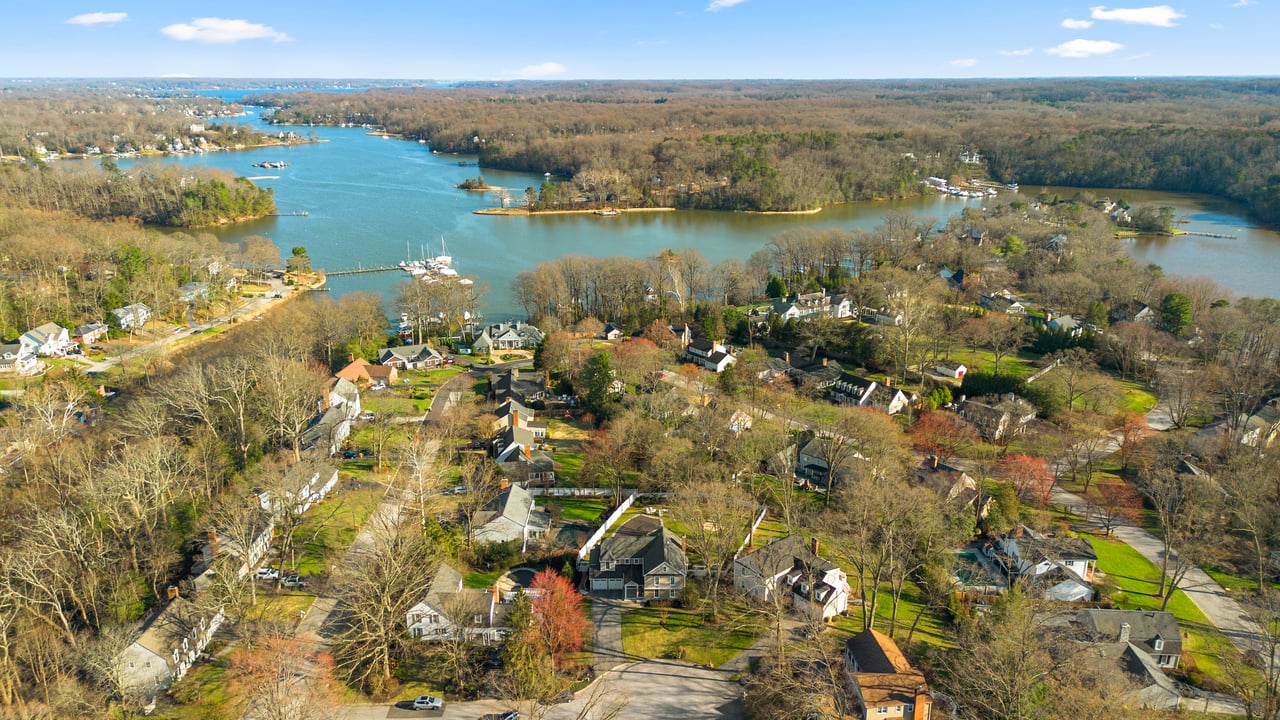
Annapolis is not one uniform market. Downtown and waterfront-adjacent areas often behave very differently from other parts of the city, and even nearby ZIP codes can show different pricing patterns and buyer conditions.
For example, Realtor.com’s April 2026 data showed the Downtown Height District with a median listing price of $1.4625 million, 49 days on market, and a 96% sale-to-list ratio. Hillsmere Shores came in at $775,000. ZIP code snapshots showed 21401 at $695,000 with 25 days on market, 21403 at $609,000 with 26 days, and 21409 at $605,950 with 31 days.
That is a big spread. It also shows why using a citywide average to price your home can lead you off course, especially if your property has a distinct location, water influence, or historic character.
ZIP code trends can shift strategy
Not every Annapolis-area ZIP code behaves the same way. Realtor.com classified 21409 as a seller’s market, while 21401 and 21403 were considered balanced markets.
That means your pricing strategy may need to change depending on where your home sits. In one ZIP code, buyers may respond quickly to a sharp launch price. In another, they may be more selective and less willing to stretch if the home does not clearly justify the asking number.
Nearby communities show the same pattern
If buyers are also comparing Annapolis with nearby communities, that can affect how your home is perceived. In April 2026, Severna Park had a median listing price of $750,000 with 22 days on market, Edgewater was $675,000 with 25 days, and Pasadena was $480,000 with 25 days.
This matters because buyers often shop across town lines. If your home is priced above nearby alternatives without a clear reason, you may lose momentum. If it is priced in line with what buyers see as comparable options, you are more likely to generate stronger interest.
Start with sold comps, not guesses
A defensible price starts with comparable sales. Maryland SDAT explains that market value is estimated through cost and sales comparison analysis, with comparables based on recently sold similar properties.
In practical terms, that means the best starting point is not your tax assessment, a neighbor’s opinion, or your ideal net number. It is what similar homes have recently closed for, adjusted for the features that make your property more or less competitive.
Why tax assessments are not list prices
This is one of the biggest pricing mistakes sellers make. Maryland SDAT states that the phased-in assessment value is not a projection of future market value.
So if you are using your tax assessment to set your asking price, you may be relying on a number that was never meant to function that way. A listing price should reflect current market behavior, not an assessment figure.
What buyers compare when they evaluate your home
Once you identify relevant sold comps, the next step is adjusting for the details buyers actually care about. In Annapolis, those details can move value more than sellers expect.
A strong pricing process should weigh:
- Recent closed sales of similar homes
- Current active competition
- Overall condition and updates
- Lot size and topography
- Location within the neighborhood or ZIP code
- Water access and water-related features
- Flood exposure
- Historic district status
These factors help explain why two homes with similar square footage can command very different prices.
Annapolis features that can raise or limit value
Some local property features deserve extra attention in Annapolis because they can affect both buyer demand and pricing confidence.
Historic district status
The City of Annapolis historic district ordinance was created to help stabilize and improve property values while preserving historically or architecturally valuable buildings. At the same time, the Historic Preservation Commission reviews work before construction, alteration, rehabilitation, restoration, moving, or demolition within the district.
For sellers, that can cut both ways. Historic character may support value and attract buyers looking for a certain type of home, but preservation requirements can also affect renovation plans, timelines, and costs. That means your pricing should reflect both the appeal and the practical limits.
Water access and waterfront influence
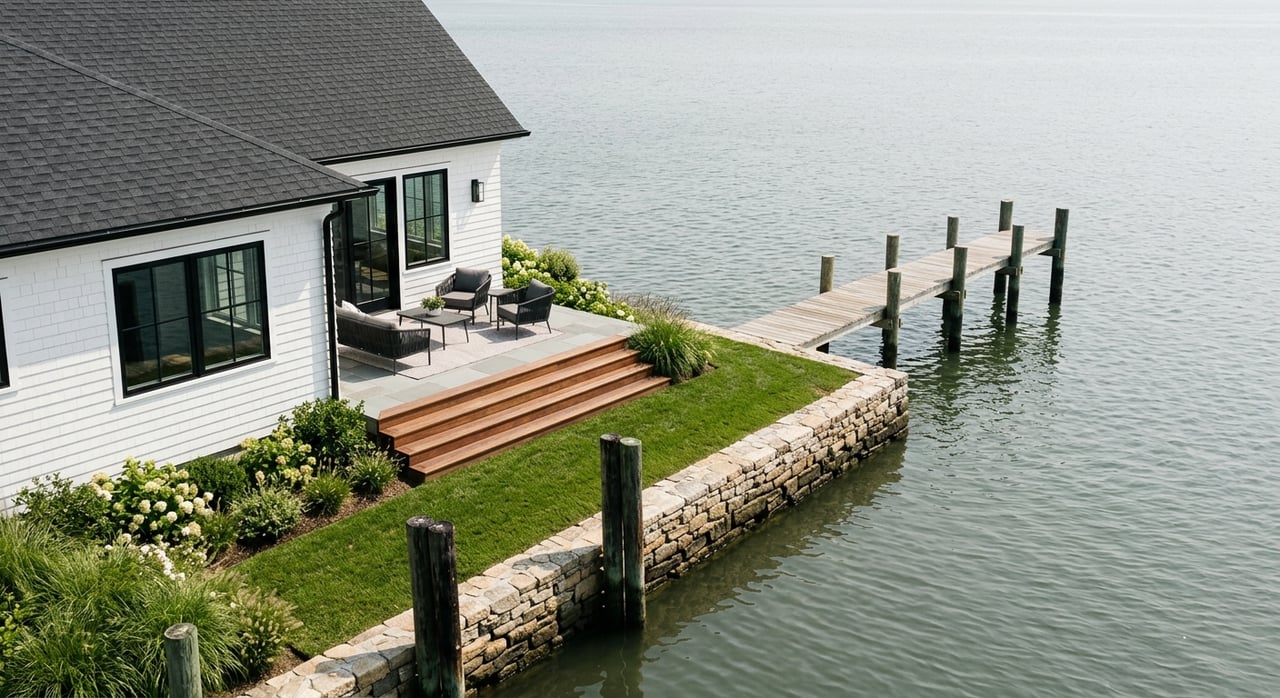
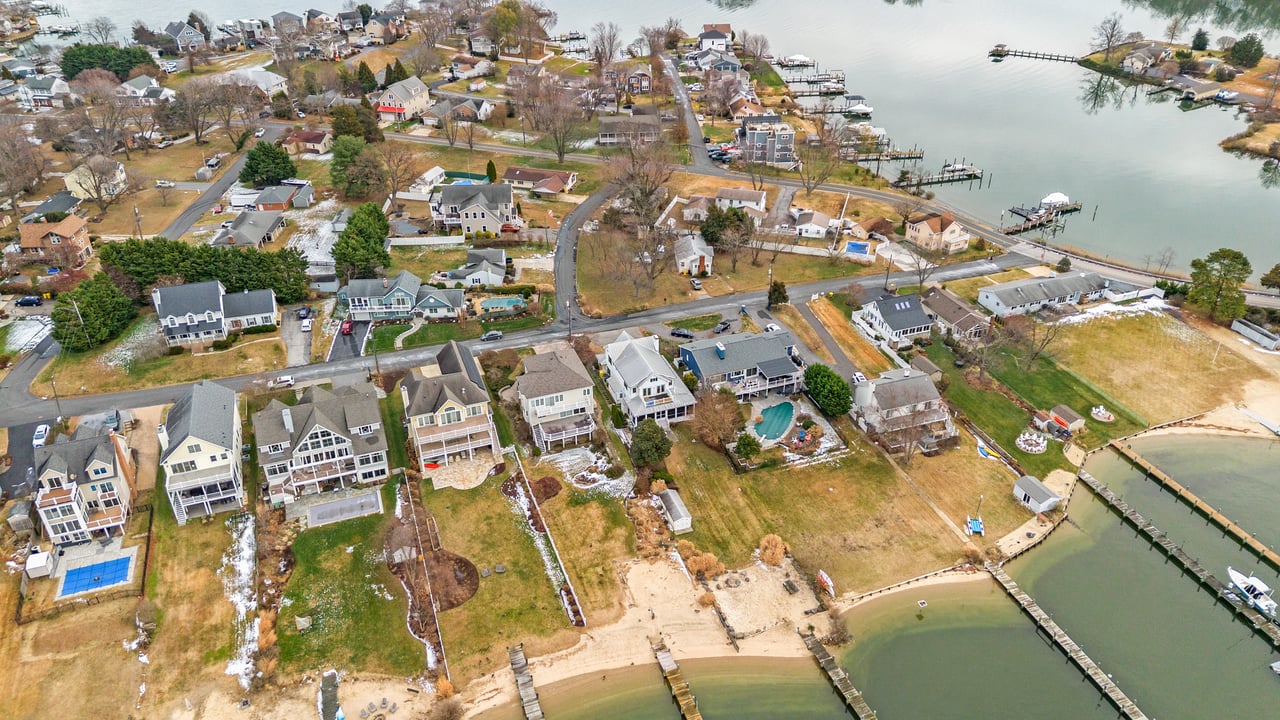
Water often adds value in Annapolis, but not all water-related features carry the same premium. Maryland SDAT notes that waterfront land rates vary based on water depth and location, which supports a more nuanced approach for homes with docks, views, or direct access.
A home near the water, on the water, or with boating features should not be priced by a basic city average alone. The exact quality of the water access, setting, and site characteristics matters.
Flood exposure and resiliency factors
Waterfront appeal can also come with pricing risk. City materials note that nuisance flooding is most prevalent from March to September and is concentrated in downtown City Dock and Eastport. The city also identifies FEMA special flood hazard areas and related code-compliance requirements, while moving forward with a City Dock resiliency project to address sea-level rise and recurrent flooding.
For sellers, the lesson is not to assume water always equals a higher price without adjustment. Buyers may value the location and views, but they may also weigh flood exposure, future maintenance, and compliance considerations. A smart price accounts for both sides of that equation.
What happens when you overprice
In a market with limited inventory, it can be tempting to push the number and see what happens. But in Annapolis, where buyers have enough options to compare carefully, overpricing often costs you time and leverage.
A home that sits too long can invite price reductions, weaker negotiating power, and questions from buyers about condition or seller motivation. Even in a market where homes often sell around asking, that result usually comes from accurate pricing at launch, not from starting high and chasing the market later.
What a strong pricing strategy looks like
If you want a practical framework, the strongest pricing sequence is clear.
Step 1: Review the exact micro-market
Look at recent sales in your immediate area, not just the broader Annapolis average. Focus on homes that closely match your property in size, style, condition, and location.
Step 2: Compare active competition
Buyers do not just compare your home to past sales. They compare it to what is available right now. If similar homes are on the market, your price needs to make sense next to those options.
Step 3: Adjust for local features
In Annapolis, details like historic district status, water access, flood exposure, topography, and lot characteristics can significantly affect value. These are not minor notes. They are core pricing inputs.
Step 4: Let condition guide the final number
Even in a strong market, condition matters. A home that feels move-in ready may support a stronger price than one that clearly needs updates, even if the floor plan and location are similar.
The bottom line for Annapolis sellers
If you are preparing to sell in Annapolis, the best price is not the highest number you can imagine. It is the number that matches your exact micro-market, holds up against current competition, and reflects the real strengths and tradeoffs of your home.
Today’s data suggests that homes priced tightly to market can still sell near asking within a few weeks. But broad averages are too blunt for downtown properties, waterfront homes, historic homes, and many neighborhood-specific situations across Annapolis. Local, property-specific pricing is what protects your value.
If you want guidance built around real local data, thoughtful positioning, and a low-stress process, connect with David Orso and the ORSO. Team.
FAQs
How should you price a home in Annapolis today?
- You should start with recent comparable sales in your exact micro-market, then compare your home to active listings and adjust for condition, location, water influence, flood exposure, and historic district factors.
Is Annapolis a seller’s market right now?
- The current market still gives sellers leverage because inventory in Anne Arundel County is tight, but pricing remains important because buyers have enough choices to notice when a home is overpriced.
Should you use your tax assessment to price your Annapolis home?
- No. Maryland SDAT states that the phased-in assessment value is not a projection of future market value, so it should not be treated as a listing price.
Do Annapolis ZIP codes affect home pricing strategy?
- Yes. Recent data shows different pricing levels and market conditions across 21401, 21403, and 21409, which means pricing strategy should reflect your specific ZIP code and neighborhood context.
Do waterfront and historic features change Annapolis home value?
- Yes. Water access, location, water depth, flood exposure, and historic district status can all affect value, buyer demand, and how your home should be positioned in the market.